In September 2023, two and a half years after the launch of the Radeon RX 6700 XT and Radeon RX 6800 XT, AMD introduced two new GPUs to round out its new RDNA 3-based graphic card portfolio: the midrange Radeon RX 7700 XT and high-end Radeon RX 7800 XT. AMD also published the most recent version of AMD Software: Adrenalin Edition, which introduced AMD HYPR-RX and FidelityFX Super Resolution 3 (FSR 3) with frame generation technologies. In addition, AMD released a technical preview driver that allows all DirectX 11 and DirectX 12 games to benefit from Fluid Motion Frames, a frame generation technology.

The 12 GB AMD Radeon RX 7700 XT and 16 GB Radeon RX 7800 XT graphics cards are equipped with second-generation AMD Infinity Cache technology and are based on the groundbreaking AMD RDNA 3 architecture. They offer 1440p high refresh rate gaming experiences with good performance at reasonable prices.

The AMD Radeon RX 7800 XT and 7700 XT graphics cards, which have suggested etail prices of $449 and $499, respectively, went on sale from September 6, 2023. For this review, we installed sample AMD cards in two systems, each with a Ryzen 9 7950X CPU, a Gigabyte X670E Aorus Master motherboard, and a G.SKILL Trident Z5 Neo 2x16GB DDR5-6000 EXPO memory kit.

Architecture

RDNA 3

The Radeon RX 7700 XT and RX 7800 XT respectively have 54 and 60 unified AMD RDNA 3 compute units. These new cards are built on the RDNA 3 architecture, which include new Infinity Cache technology, AI accelerators, and second-generation raytracing accelerators. The AMD Radiance Display Engine, with DisplayPort 2.1 support for high refresh rate displays, is also incorporated into the new cards.

2nd Generation AMD Infinity Cache

The new cache hierarchy balance has been optimized for the ideal mix of 2nd Generation Infinity Cache and L2 cache to allow fast data access and act as a significant bandwidth amplifier despite being half the size of the RDNA 2-based GPUs. The new cards thus have better performance and are more power efficient than previous models.

Media Engine

Like the previously announced RDNA 3-based GPUs, the new media engines on the Radeon RX 7700 XT and RX 7800 XT have hardware-accelerated support for AV1 encoding up to 8K resolution at 60 frames per second (FPS). It is now possible to produce output videos at smaller file sizes while maintaining the same bitrate and quality. The current versions of OBS, DaVinci Resolve, and Adobe Premiere Pro, with the Voudoker plug-in, all have support for AMD RDNA 3 Media Engine AV1 encoding. Support for FFmpeg and Handbrake encoding will be introduced in future.

Game Bundles

AMD continues to offer newly released AAA gaming titles alongside its launch of new products and seasonal promotions. AMD is the exclusive PC partner for Starfield, Bethesda Game Studios’ new open world game in almost 25 years. Starfield was created by the award-winning designers of The Elder Scrolls V: Skyrim and Fallout 4. The Radeon RX 7800 XT and Radeon RX 7700 XT, as well as qualifying Radeon + Ryzen PCs offered with these graphics cards, are eligible for the Starfield Premium Edition package, which provides gamers with free access to the game.

Adrenalin Software

The latest AMD Adrenalin Edition driver update adds additional performance and feature upgrades. The new HYPR-RX and AMD Radeon Anti-Lag+ technologies allow for next-generation gaming experiences on AMD Radeon RX 7000 Series GPUs.

To produce a performance-stacking effect, the AMD HYPR-RX technology streamlines and handles the simultaneous interoperation of AMD Radeon Super Resolution, Radeon Anti-Lag, Radeon Anti-Lag+, and Radeon Boost. AMD Radeon Anti-Lag+ allows players to reduce input latency.  However, AMD encountered a problem with Anti-Lag+ along with some anti-cheating technologies used in multiplayer games. This problem prompted the company to release the AMD Software: Adrenalin Edition 23.10.2 driver, which disables Anti-Lag+ technology in all supported games. AMD now advises gamers to use the new driver. AMD also stated that it is actively working with game developers on a solution to re-enable Anti-Lag+ and reinstate gamers who have been affected by anti-cheat restrictions.

Performance

Scale-Up

Because it employs DirectX 12 Ultimate Raytracing tier 1.1 for real-time global illumination and raytraced reflections as well as new performance enhancements such as Mesh Shaders, 3Dmark Speed Way is an ideal synthetic benchmark for comparing the performance of the latest AMD graphics cards with their predecessors.

The Radeon RX 7700 XT represents a great generational jump over the RX 6700 XT. However, the RX 7800 XT did not scale up against the RX 6800 XT, as the additional 12 compute units of the RX 6800XT compensate for the new architecture with quicker memory.

Ultra-Wide 1440p Gaming with Radeon RX 7700 XT

Games were tested on a 34-inch ultra-wide quad-HD 1440p monitor with a 144Hz frame rate, FreeSync, and 10-bit colors. We utilized the games’ maximum graphics settings, with ultra raytracing, FSR, and HYPR-RX enabled.

In the Forspoken demo, AMD FSR 3 was put to the test with the Radeon RX 7700 XT. The average FPS jumped from 55 to 96. During gaming, there was no latency or stuttering.

Gaming in 4K with Radeon RX 7800 XT

The Radeon RX 7800 XT was tested at 4K resolution and maximum graphical settings, with ultra raytracing enabled were possible. In a demanding game like Microsoft Flight Simulator 2020, with the FlyByWire A32NX and the Terrain LoD set to 400, the AMD Radeon RX 7800 XT had an average FPS of 41 and a one percentile low frame rate of 35 FPS for a smooth and predictable experience in the cockpit.

Flight Simulator 2020 is an ideal game for the technical preview driver with AMD Fluid Motion Frames, as the simulator is quite CPU bound when to playing on ultra settings. Limiting the FPS to 30 with RivaTuner Statistics Server and enabling Fluid Motion Frames resulted in a smooth 60 FPS experience, even over highly detailed areas such as New York or London.

With the typical slow and smooth scenery movements from the cockpit view, Fluid Motion Frames technology consistently generated additional in-between frames for a great flight sim experience.

Starfield achieved an average 42 FPS at 4K ultra settings on the AMD Radeon RX 7800 XT without resolution scaling. However, the FPS dropped significantly in built-up areas within the game. Game performance improved when the settings were lowered, with an average 50 FPS recorded at high settings. AMD Fluid Motion Frames can be enabled for Starfield with the technical preview driver. While Fluid Motion Frames help smooth some areas of the game, processing can temporarily stop when there are rapid direction changes during gameplay. This effect results in an FPS drop and stuttering, just when a gamer needs additional frames to smooth out motion. Improving this capability of Fluid Motion Frames in the driver will really improve the overall experience and make RDNA 3 and RDNA 2-based cards much more usable over time, especially as more demanding games come to market.

IDC Opinion and Conclusion

The RX 7700 XT, which is $30 less than the RX 6700 XT at launch (at $449), nonetheless has a noticeable increase in performance. The RX 7700 XT outperforms the previous generation in raytracing games, with up to 40% better performance. With the Radeon RX 6700 XT, playing demanding games like Cyberpunk 2077 at maximum visual settings was impractical. An average 27 FPS was recorded with ultra raytracing enabled on an ultrawide 1440p monitor. In contrast, the RX 7700 XT’s 12GB of VRAM did not pose any restrictions at 1440p. The card is a worthwhile improvement and will become more popular should a price decrease be effected in future.

The AMD Radeon RX 7800 XT is a bit more of a complex proposition for a consumer. The AMD RX 6800 XT’s suggested retail price at launch was $649, while the RX 7800 XT costs $499. With fewer but higher performing compute units, the Radeon RX 7800 XT performs broadly at par with the Radeon RX 6800 XT, but costs 25% less compared to the latter’s original launch price. The card thus represents much better value, especially as the stock of end-of-life RDNA 2-based GPUs dries up.

AMD has definitely read the market and is taking competition in the midrange gaming market seriously, as evidenced by the lower launch prices of its new cards. Due to market demand, AMD will likely reduce the suggested price of the RX 7700 XT even more in the near term, given the small $50 (10%) price difference between it and the RX 7800 XT and the much greater overall performance of the RX 7800 XT.

Mohamed Hakam Hefny - Senior Program Manager - IDC

Mohamed Hefny leads market research in EMEA on professional workstation PCs and solutions. He also reports on professional computing semiconductors, processors, and accelerators (CPUs and GPUs), as well as breakthroughs and trends related to the market. In addition, Mohamed is actively involved in AI PC taxonomy and research. He participates in business development projects, contributes to consulting activities, and provides IDC customers with analysis, opinions, and advice.

IDC has recently published its highly anticipated FutureScape report, IDC FutureScape: Worldwide IT Industry 2024 Predictions (IDC #US50435423) offering a compelling glimpse into the future of the IT industry and the pivotal role of artificial intelligence (AI). In this blog post, we’ll explore the key takeaways from this year’s IDC predictions, underlining the profound impact that AI is poised to have on the entire technology landscape and the way businesses conduct their operations.

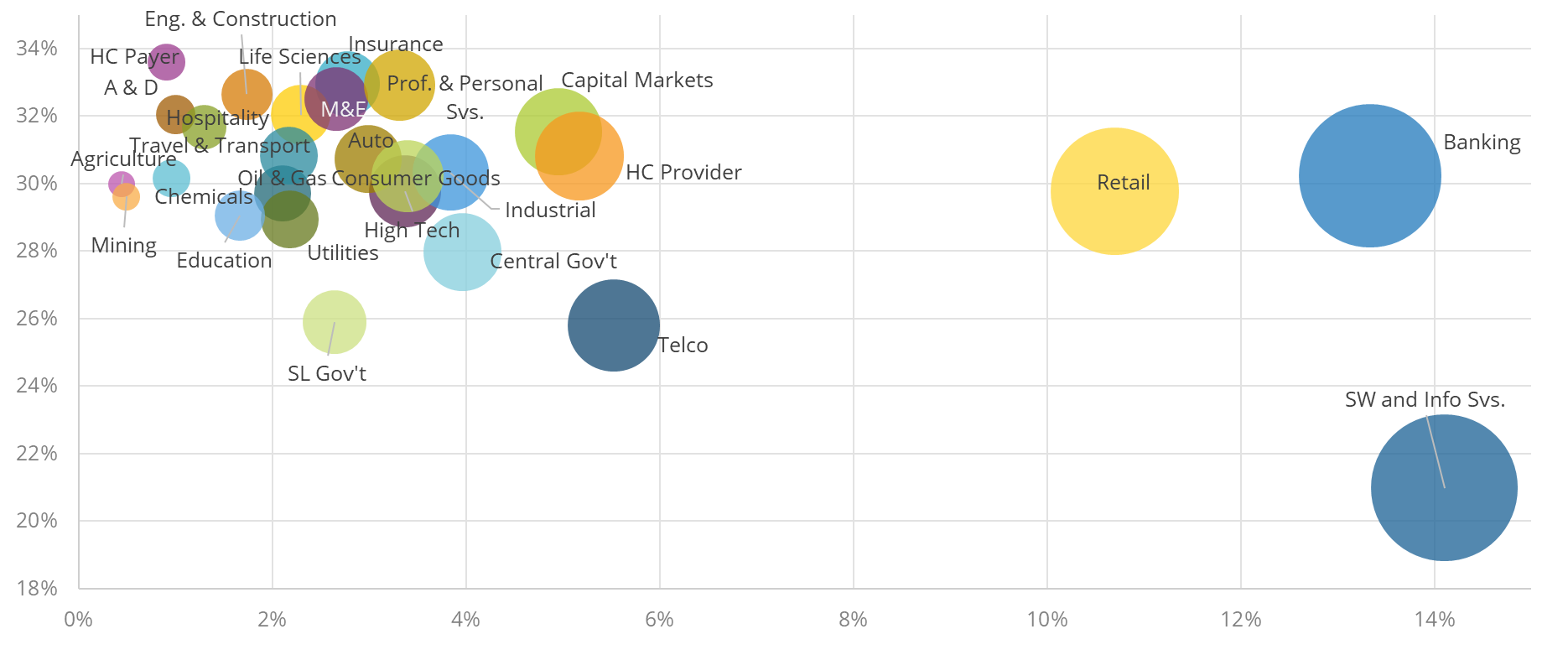
This year’s predictions are centered around the emergence of AI as a groundbreaking inflection point in the technology domain. While AI is not a new concept, the release of the GPT-3.5 series from OpenAI in late 2022 acted as a catalyst, capturing global attention and leading to a surge in investments in generative AI. In light of this, IDC foresees global spending on AI solutions surging to over $500 billion by 2027. This, in turn, will usher in a remarkable shift in the allocation of technology investments toward AI implementation and the adoption of AI-enhanced products and services.

Rick Villars, Group Vice President of Worldwide Research at IDC, encapsulated this transformative moment by stating, “Every IT provider will incorporate AI into the core of their business, investing treasure, brainpower, and time.” This signifies not just a technological advancement but a significant shift in the mindset of CIOs and the digitally savvy C-Suite. While the pivot towards AI promises a wealth of innovative AI-enhanced products and services, it also poses challenges such as the proliferation of “now with AI” options, which could lead to uncontrolled cost increases and a loss of data control.

IDC’s FutureScape 2024 research is focused on the external factors that will reshape the global business ecosystem over the next 12 to 24 months and it also delves into the issues IT teams will encounter as they work on defining, building, and governing the technologies needed to excel in a digital-first world. To gain a more detailed understanding of these predictions, let’s explore IDC’s top ten worldwide IT industry forecasts:

  • Prediction 1: Core IT Shift – IDC expects the shift in IT spending toward AI will be fast and dramatic, impacting nearly every industry and application. By 2025, Global 2000 (G2000) organizations will allocate over 40% of their core IT spend to AI-related initiatives, leading to a double-digit increase in the rate of product and process innovations.
  • Prediction 2: IT Industry AI Pivot – The IT industry will feel the impact of the AI watershed more than any other industry, as every company races to introduce AI-enhanced products/services and to assist their customers with AI implementations. For most, AI will replace cloud as the lead motivator of innovation.
  • Prediction 3: Infrastructure Turbulence – The rate of AI spending for many enterprises will be constrained through 2025 due to major workload and resource shifts in corporate and cloud datacenters. Uncertainty about silicon supply will be joined by shortcomings in networking, facilities, model confidence, and AI skills.
  • Prediction 4: Great Data Grab – In an AI Everywhere world, data is a crucial asset, feeding AI models and applications. Technology suppliers and service providers recognize this and will accelerate investments in additional data assets that they believe will improve their competitive position.
  • Prediction 5: IT Skills Mismatch – Inadequate training in AI, cloud, data, security, and emerging tech fields will directly and negatively impact enterprise attempts to succeed in efforts that rely on such technologies. Through 2026, underfunded skilling initiatives will prevent 65% of enterprises from achieving full value from those tech investments.
  • Prediction 6: Services Industry Transformation – GenAI will trigger a shift in human-delivered services for strategy, change, and training. By 2025, 40% of services engagements will include GenAI-enabled delivery, impacting everything from contract negotiations to IT Ops to risk assessment.
  • Prediction 7: Unified Control – One of the most challenging tasks for IT teams in the next several years will be navigating the maturation of control platforms as they evolve from addressing a few basic systems to becoming a standard platform that orchestrates operations across infrastructure, data, AI services, and business applications/processes.
  • Prediction 8: Converged AI – Today’s fascination with GenAI should not delay or derail existing or other AI investments. Organizations must contemplate, trial, and bring to production fully converged AI solutions that allow them to address new uses cases and customer personas at significantly lower price points.
  • Prediction 9: Locational Experience – The accelerated adoption of Gen AI will enable organizations to enhance their edge computing use cases with contextual experiences that better align business outcomes with customer expectations.
  • Prediction 10: Digital High Frontier – Satellite-based Internet connectivity will deliver broadband everywhere, helping to bridge the digital divide and enabling a host of new capabilities and business models. By 2028, 80% of enterprises will integrate LEO satellite connectivity, creating a unified digital service fabric that ensures resilient ubiquitous access and guarantees data fluidity.

IDC’s FutureScape predictions provide valuable insights into the future of the IT industry and the pivotal role of artificial intelligence. As AI becomes the driving force behind innovation, businesses must adapt and invest in AI to stay competitive. The rapid growth of AI spending, the transformation of IT services, and the convergence of AI solutions are just a few of the significant changes we can expect in the tech landscape.

Stay informed and be prepared for the AI revolution that will reshape the IT industry and the way businesses operate. Don’t miss the upcoming webinars to gain deeper insights into the future of technology and business:

  • Worldwide Artificial Intelligence and Automation 2024 Predictions, November 8 at 12:00 pm U.S. Eastern time, featuring Ritu Jyoti
  • Worldwide Digital Business 2024 Predictions, November 29 at 12:00 pm U.S. Eastern time, with Tony Olvet & Craig Powers
  • Worldwide CIO Agenda 2024 Predictions, December 6 at 12:00 pm U.S. Eastern time, with Daniel Saroff & Mona Liddell
  • Worldwide Emerging Technologies 2024 Predictions, December 13 at 12:00 pm U.S. Eastern time, featuring Rick Villars

Interested in learning more? Access the full IDC FutureScape event series and stay updated on the latest IT industry trends.

If you have been involved in data, analytics, BI, or AI domains for at least a few years, you have undoubtedly encountered the following situation. Someone in a business unit has a need for information to inform a decision and upon starting a conversation with one of their technology colleagues is faced with a question from the latter “what data do you need?” The response often takes one of two forms, “I don’t really know; give me all the data you have” or “I need this one particular data set to address my immediate need or project.”

The response from the data professional usually addresses the question literally — delivering a data set or access to requested data via a plethora of data management and data visualization technology, from data warehouses and data lakes to dashboards and reports.

Over the years, greater processing power, more automation of data pipelines, and better data visualization have combined to continuously speed up the delivery of data to business users. One might consider that a success, but only if the speed of data delivery is the metric that matters. But does it?

What happens when data is delivered to a business user? The person may be able to look at a trendline; they will likely be able to compare the current period’s performance of any given data point to previous periods. Some organizations have software to highlight to the user anomalies or deviations from past norms; some organizations have even begun to incorporate ML-based automation to help users with autogenerated forecasts of how a given trend might evolve.

However, what this information delivery functionality does not provide is support for the process of decision making, which remains largely the responsibility of human “wetware.” We see the data and we use our experience, mental models, discrete data points from dashboards and reports to assess options that lead to a decision. This approach to the decision-making process lacks scale, governance, orchestration, and technical support for all the steps within a decision-making process — a process that does not stop with the delivery of data to an individual.

This approach to decision making is not sustainable. To achieve better decision making, it is not enough to invest in the best data lakehouse, best data science team, best AI technology, or best data visualization tools.

Our contention is that one of the biggest shortcomings plaguing most organizations is the use of the question “what data do you need?” We propose that the solution to overcoming substandard returns on investment in data, BI, and AI starts with changing the question to “what decisions do you need to make?”

For a more detailed discussion of decision intelligence challenges, opportunities and benefits see A Case for Decision Intelligence: From “What Data Is Needed?” to “What Decisions Need to Be Made?”

Decision Making

At its core, decision making is the process of orienting the decision maker, using all relevant information, toward selecting one of two or more alternatives based on probabilities of success and decision execution constraints.

  • Accessing and organizing data into a form that makes data available for analysis.
  • Analyzing data using descriptive and predictive methods, including AI.
  • Recommending a decision: defining and presenting likely alternatives or options.
  • Deciding by selecting an option based on constraints and goals. 
  • Executing a decision by acting based on the decision made.
  • Monitoring and evaluating results of the decision and action.

Given the opportunity to accelerate decision velocity through AI-powered decision intelligence while facing technical, operational, and organizational roadblocks, leading organizations are making a clear choice in how they allocate their investments – they are tightly connecting the six steps of a decision-making process and deploying decision intelligence software.

Decision Intelligence Software

To be considered a decision intelligence software by IDC, the software product should be packaged for the purpose of fully or partially automating all steps in the decision-making process. Decision intelligence software includes capabilities for decision design, engineering, and orchestration.

  • Decision design. Decision design provides functionality for users to define business goals or desired outcomes; map decision-making workflows, including feedback loops and approval points; and identify choices and constraints that limit the options available to decision makers.
  • Decision engineering. Decision engineering provides functionality to organize the available data using semantic and/or ontological frameworks, then analyze the data using a range of use case–specific methods that may include simulation, optimization, descriptive, and predictive analysis.
  • Decision orchestration. Decision orchestration provides functionality to monitor all elements of the decision-making workflow (e.g., rules, algorithms, data sets, approval hierarchies, goals, constraints, decisions, and so forth) and enables their ongoing or periodic adjustment based on automated and human-generated feedback loops.

Note that to see this decisioning plane in the context of the other three planes of an enterprise intelligence architecture see IDC blog post Navigating the Planes of Enterprise Intelligence Architecture.

Together, these capabilities enable not only the collection and analysis of data, but also all the capabilities shown below.

Note that IDC analysts are currently in the process of working on an assessment of a select set of decision intelligence software vendors, which will be published in Q1 2024.

Benefits and Promises: Why Should You Care About Decision Intelligence?

Every organization wants to traverse the decision-making process as fast as possible. In some cases, going through one cycle can take hours, days, weeks, or even months. In other cases, it can happen almost instantaneously. However, speed is only one factor that leads to greater decision velocity; the other is control.

We define control as decision governance, but also as quality, accuracy, and contextualization. Speed and control in decision making must be balanced. Having control of the decision-making process matters, but it cannot come at the expense of speed or the organization risks having lower adaptability when the inevitable time for course correction arrives. Decision intelligence can play a critical role in:

  • Identifying decision-making processes as they exist in ongoing operations rather than as envisioned in outdated process documentation.
  • Improving retention of knowledge about how decisions are made and by whom.
  • Ensuring decision-making consistency across the organization and its decision makers.

Together, these benefits, in turn, are foundational to the achievement of desired business outcomes, such as increased revenue, lower costs, improved margin, and so forth. To achieve success and differentiation in the digital era, organizations should consider the following:

  • Guide technologists involved in data engineering and management, and even more importantly, those involved in data analysis, data science, and AI, to pivot from asking what data their constituents need to what decisions they need to make.
  • Evaluate decision attributes to identify best opportunities for decision automation and decision augmentation, respectively. Differentiate between data-driven and data-informed decision making. Highlight the role of people versus machines and shortcomings and competencies of both.
  • Begin developing a cadre of staff with specialization in decision design, engineering, and orchestration.
  • Invest in data literacy initiatives to ensure all staff become more comfortable with embracing uncertainty and develop a healthy skepticism of recommendations generated by opaque systems.
  • Ensure the decision intelligence software provides the necessary transparency via decision monitoring and cataloging to engender trust among all users.
  • Reconsider the goal of your data, analytics, and AI initiatives and investments. If they are not helping improve decision velocity, consider reallocating resources to projects that are.
  • Focus on change management. One of the biggest challenges facing organizations is to address the growing gap between the exponential growth of technology for AI-powered automation of decision making and slowly evolving the ability of people to accept and adopt the new technology into their routines.

Dan Vesset - GVP/GM, Global Research Operations - IDC

Dan Vesset is Group Vice President of IDC's Analytics and Information Management market research and advisory practice, where he leads a group of analysts covering all aspects of structured data and unstructured content processing, integration, management, governance, analysis, and visualization. Mr. Vesset also leads IDC's global Big Data and Analytics research pillar. His research is focused on best practices in the application of business intelligence, analytics, and enterprise performance management software and processes on decision support and automation, and data monetization.

The technology landscape is rapidly evolving. External pressures placed upon the business, coupled with innovations across IT – from developments in hybrid and multicloud, to the introduction of commercial Generative AI – are placing an increasing amount of attention on cloud computing. Evidence shows that those organizations with a focus on building hybrid and multicloud foundations benefit most from having the ability to rapidly adopt new technologies at scale as they initiate new products and services and drive cost and resource efficiencies across the business.

This realization is causing seismic shifts, not only around how cloud is consumed but how cloud buyers make investment decisions and measure return on investment. To capture these changes in the market, International Data Corporation (IDC) has launched a new Continuous Intelligence Service (CIS) called Cloud Adoption Trends and Strategies that has been designed to uncover the changing requirements of the cloud buyer.

Cloud Adoption Trends and Strategies provides insight into what drives cloud buyers to make certain decisions as they purchase cloud computing and the services and applications that will live in the cloud. Now, more than ever, the cloud market requires deep understanding in the way organizations are looking to create a more customized cloud experience. Cloud service provider, platform, hardware, and application choices will influence how cloud buyers’ businesses progress through future digital transformation projects, especially those surrounding data and AI. These are all covered in depth in Cloud Adoption Trends and Strategies.

Cloud – A Foundational Choice With Tangible Benefits

Cloud adoption drives innovation. The following image shares results which show a competitive advantage in terms of new technology adoption for buyers with broad cloud estates.

Are cloud buyers innovating or ‘staying the course’ in 2023?

Cloud teams have had to pivot fast over the last few years to be pandemic-prepared, inflation-proof, and to meet a raft of new demands, from rationalization to competitive business operations. Many have had to think on their feet, reduce development times for new projects, and find ways to be savvy despite a cloud skills shortage. 

The number of cloud buyers that say their business is ‘staying the course’ in terms of attitude towards innovation is slightly higher this year than last. More than half of cloud buyers, however, recognize they need to be among the first to adopt new technologies to stay ahead of the game, and a large proportion that may not be fast movers say their business still wants to be ‘fast to act’. These figures already show that cloud buyers are placing emphasis on innovation. When looking at cloud budgets, IDC finds that around half of that budget is, in fact, attributed to new projects and innovation, as opposed to cloud operations and maintenance.

For cloud buyers that are already mature in cloud (many of which will already be adopting hybrid and multicloud strategies) the focus on adopting new technologies is much higher than the average cloud buyer – 71%. These organizations have laid foundations that foster innovation. Building out hybrid and multicloud environments enables them to free up financial and human resources and encourages them to innovate by providing access to new technologies and deployment models.

The Different Cloud Conversation

In 2023, the cloud buyer’s conversation with those supplying products and services is different to what it was even a year back when a lot of conversations were focussing on cost. There is still a strong focus on innovating and delivering new products, but cloud buyers also demand outcomes around data-driven strategies, with many taking a data and application-first approach to deploying on cloud. Conversations around interoperability, contractual choice and ecosystems and marketplaces all factor highly. These are happening at the same time as customers are demanding options that enable them to have choice around underlying hardware, and guarantees around performance and latency, connectivity, scalability, and options for cloud management, sustainability, and operational efficiency.   

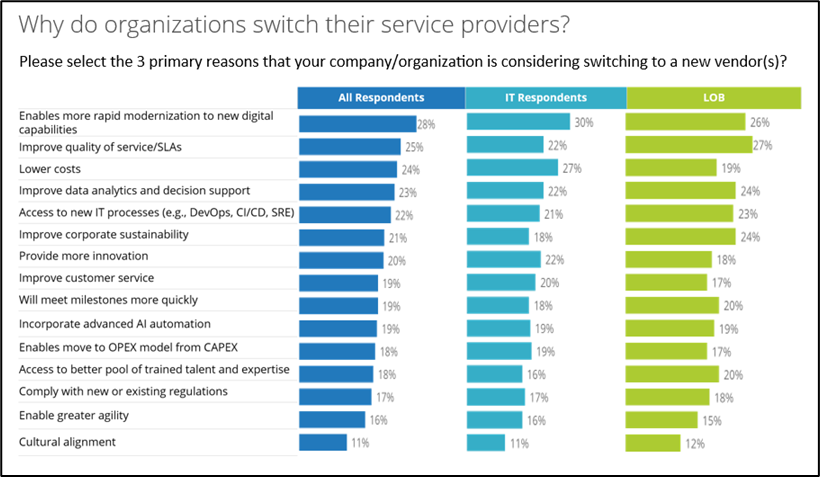
How vendors approach these conversations can make a huge difference. In Q3 2023, IDC Cloud Pulse found that improved customer services led many cloud buyers to increase their spend with a cloud provider. A misalignment of performance requirements and resource requirements led to decreases in spend. Over a fifth of cloud buyers with broad cloud footprints that chose to discontinue services with a provider said the main reason for doing so was because they found a vendor with a more appealing switch plan, and those with newer cloud deployments were impacted by a perceived lack of expertise and poor customer service. The ability to tailor products, services and guidance for these organizations can make or break a cloud rollout and a cloud contract.

It is not just the cloud service providers that need to pay careful attention – 60% of companies deploying cloud today also employ professional services for delivery and management of their cloud services (Cloud Pulse Q3 2022).   

Understanding the Cloud Buyer

Drawing upon insights uncovered from IDC’s quarterly Cloud Pulse survey, Cloud Adoption Trends and Strategies can provide insights into how cloud buyer’s requirements differ across industry verticals, regional markets, and types of organizations. As the cloud market becomes increasingly hybrid, cloud demands themselves are becoming more individual, and complex. Just as cloud buyers have a head-start on innovation when laying hybrid and multicloud foundations, service providers and vendors can have a head-start on understanding cloud buyer requirements by learning about their challenges and business needs.

For more information on Cloud Adoption Trends and Strategies, contact IDC research director Penny Madsen at pmadsen@idc.com.

Additional Resources:

  1. IDC solutions for teams requiring custom data-driven strategies.
  2. Business Value support and solutions

What is Cloud Native?

Before diving into the topic, we need to provide some context as to what we define here as Cloud Native. A very salient question jumping almost immediately in our Cloud Native conversations is what exactly it is, what are the components that make up or not Cloud Native.

We obviously recognize that this has been a very quickly evolving topic, and depending on who you talk to, you may have different interpretations as to what comes into the composition of Cloud Native. In recent years, new technologies have gained acceptance and consumption – especially among born-in-the-cloud companies and vendors – and that can complicate discussions.

However, for us, the intersection of containers, containers orchestration (largely Kubernetes), microservices and DevOps forms the foundation to consider an application cloud native.

What’s the State of Adoption?

Today, 57% of the organizations in Europe recognize they have less than a quarter of their custom apps running in a cloud environment as Cloud Native. Further, an additional 19% of organizations have between 25 and 34% of their custom apps running in a cloud environment as Cloud Native.

So vastly, three quarters of organizations in Europe remain in the early phases of technical maturity for their cloud native app estates. Nonetheless, the ambitions for adoption are very high, whereby towards the end of 2024, 44% of organizations indicate they will have over a third of their app workloads cloud native – compared to just 25% today.

We have been gauging the appetite for cloud native application transformation for the past 3 years and every year we observe a high desire to evolve app estates to cloud native very quickly. But also, every year after, we measure different realities compared to previous year’s aspirations – where the main observation is that driving cloud native is hard.

Cloud Native is hard not just technically, but also at a higher level – at organizational and cultural level.

Looking at Cloud Native through that lens, it’s 40% of organizations in Europe that have refined and standardized their Cloud Native processes across their entire chain of activities. Yet it’s only a quarter of these more advanced organizations – or 11% of the total market – that managed to infuse continuous improvement loops in.

Those businesses are the ones that are truly reaping the benefits of Cloud Native at scale – and that typically disrupt into the rest of the market through their app delivery engines. However, progressing to this Cloud Native maturity model is a steep incline, it requires efforts and commitment from many parts of the organization and from stakeholders at the higher levels of the corporate pyramid.

Key challenges with Cloud Native

Architectural complexity is something that needs to be recognized in Cloud Native environments. Everything becomes multidimensional, highly dynamic, and transient.

There are many moving parts and the pace at which they come and go can be challenging for teams that have been working in a very linear fashion.

This cascades into challenges related to skills, automation, working in lockstep with other teams/cultural, meeting regulatory compliance, ensuring security is robust, managing technical, driving adequate observability, etc.

We see specific organizational functions being affected by such challenges to varying degrees, depending on the role they carry and the placement in the value chain. The challenges in a Cloud Native environment must be understood from the vantage point of each team/organizational function.

Considerations for Moving Forward with Cloud Native

We see that app delivery platforms, as engines for Cloud Native delivery, receive unflattering reviews in terms of satisfaction from developers. One in two developers give lukewarm assessments to the internal developer platforms they are provided.

Furthermore, one in two organizations recognizes that shadow application development happens outside their designated app development and delivery platforms.

To excite developers and drive deeper purposes for platform engineering teams, organizations need to improve their developer experience. As per IDC’s 2023 survey, unifying developer experience is viewed as the best strategy to improve performance and productivity across development teams and activities.

Developer experience becomes particularly important in a Cloud Native context, as technical, process and organizational complexity surge in Cloud Native environments.

Streamlining developer workflows brings incalculable benefits into the business, ranging from compliance to a foundation for architectural consistency, including benefits at financial level long term (e.g. standardization of apps, containment of technical drift and better management of technical debt).

Further, looking at Cloud Native from a strategic perspective, the role and importance of architecture cannot be overemphasized. IDC’s 2023 Modern App Delivery survey shows that Cloud Native is a top area that needs to be prioritized from a system design/architecture perspective over the next 12 months.

However, poor architectural decisions can be very consequential and lead to suboptimal digital landscapes, including at the level of technical debt, security, scalability and operating cost.


If you’d like to find out more about IDC’s research around Cloud Native in Europe, please contact George Mironescu, lead for IDC’s European Cloud Native and Modern App Development Strategies research program.

As businesses navigate the transformative effects of GenAI on the market landscape, understanding where and how GenAI impacts your specific markets becomes  imperative for sustained success. The question arises: Are you attempting to quantify GenAI’s impact on your current and adjacent markets? A shallow understanding of GenAI’s influence is insufficient. You need to do a deep dive into your existing market size and segments, with a keen focus on formulating strategies that not only adapt but thrive in the face of this rapid change. 

The first step is to assess how GenAI impacts your existing markets and segments. Does it represent new revenue opportunities? Does it provide differentiation in a competitive market? Is significant disruption to your core markets a risk? This introspection is crucial to identify potential threats and opportunities. But the analysis shouldn’t stop there; you need to evaluate the capabilities of your current partners. Are they equipped to weather the GenAI storm, or will their limitations impact your market standing? How about your sales teams? Can they position your existing and GenAI enabled offers against your competitors in this rapidly evolving landscape? 

Assessing Partner Capabilities and Future-Proof Collaborations 

Consider the ripple effect: How could the capabilities of your partners impact your market share? Collaborative efforts that once thrived may face challenges, necessitating a reevaluation of partnerships in the GenAI landscape. The interconnected nature of markets means that changes in one segment can reverberate across your entire ecosystem. 

To address these questions, businesses must invest time in crafting robust strategies grounded in sound data. Relying on anecdotal evidence, outdated information, or failing to get alternative perspectives can lead to misguided decisions. Enter industry analysts—seasoned professionals who can provide real, up-to-date research with an outside-in perspective to guide your strategic decisions. 

Engaging in strategy sessions with industry analysts becomes a valuable investment. These sessions not only shed light on current market trends but also anticipate future shifts influenced by GenAI. Armed with this knowledge, businesses can proactively tailor their strategies, positioning themselves as pioneers rather than followers. These sessions can also serve as the first step in building out or adjusting your market data to better account for and track GenAI’s impact. 

Customer and Market Analytics for GenAI 

Businesses should capitalize on the capabilities of IDC’s Custom Analytics, utilizing bespoke data and market models, to better inform your business decision making. These tools offer a nuanced understanding of how GenAI is shaping specific market segments, empowering businesses to make informed decisions tailored to their unique circumstances. 

Ecosystem mapping and profiling are indispensable tools in this endeavor. Understanding the broader landscape helps businesses identify potential encroachments and pinpoint areas of opportunity. By staying ahead of the curve, businesses can pre-emptively counter threats and position themselves as leaders in the GenAI-driven market. 

The GenAI revolution demands a proactive approach. To thrive in this transformative era, businesses must go beyond superficial assessments of market impact. Instead, they should invest time and resources in in-depth strategy sessions, industry analysts, and customer and market analytics to navigate the complex terrain of evolving markets. In doing so, businesses can not only weather the GenAI storm but emerge stronger and more resilient in the face of technological disruption. 

Seize the opportunities, mitigate the risks, and lead your business into a future where innovation and strategy converge. Let’s navigate the GenAI journey together

Virtual care is at a critical juncture in its development. The rapid rise of virtual care during the pandemic sparked discussions about its ongoing significance. While numerous studies have highlighted its advantages, the future of virtual care is now under scrutiny.

As the novelty effect fades, both healthcare professionals and patients are redefining their expectations and preferences, leading to valid questions about the path ahead for virtual care.

What is Virtual Care?

Definition in this space abounds, but from a general perspective, virtual care encompasses all the remote interactions between healthcare organizations and patients, enabled by digital tools to deliver health services, promote engagement and enhance health and well-being. It includes services and organizations focused on patient education and advice but also services that entail diagnosis, monitoring and treatment.

There is a broad spectrum of technologies enabling virtual care, covering connectivity, collaboration, clinical information systems, consumer technologies, MedTech, etc. These components enable communication, data exchange and analysis, transforming how healthcare is delivered and experienced.

 Main Benefits and Limitations of Virtual Care

The adoption of virtual care in European healthcare systems has triggered profound shifts and delivered benefits across multiple dimensions It has brought about notable improvements at the system level, as well as advancements within healthcare organizations. Virtual care has had a positive impact on patient outcomes and experiences, underscoring its significance in shaping the future of healthcare.

According to IDC’s December 2022 Consumer Pulse Survey, healthcare consumers reported comparable satisfaction levels with virtual visits as they did with traditional in-person appointments. When focusing on some macro-level benefits, virtual care has shown its pivotal role in healthcare by relieving ER pressure, freeing beds for patients with more critical needs, and improving operational efficiency.

For example, the English NHS recently surpassed its goal’s target of 10,000 virtual ward beds by September 2023. These beds cater to patients with conditions like COPD, heart failure, and frailty. Over 240,000 patients have been treated through virtual wards, with research suggesting comparable or faster recovery compared to traditional hospital care.

However, it is crucial for healthcare providers to acknowledge that virtual care is not without limitations and challenges, which must be carefully addressed. Without these considerations, healthcare organizations will struggle to realize the anticipated benefits, and, in some cases, they could even compromise care quality.

  • Transforming Essential Care – If We Connect the Dots: Virtual care offers convenience by allowing patients to access non-urgent medical services from home. It can alleviate strain on emergency rooms, address primary care shortages, and extend services to underserved areas. However, integration into patient records is essential for continuity of care. Technical obstacles, especially in underserved regions, require further investments in infrastructures, health information data integration and management.
  • Empowering Chronic Disease Management – If We Use the Right Tools: Virtual care positively impacts chronic disease management, but it requires appropriate engagement tools. Choosing ergonomic device design, automated real-time data collection, performance criteria (speed, accuracy, response times), and diverse functionalities (like medication reminders, predictive alerts) significantly impact the outcomes for virtual care. Striking a balance between virtual care benefits and the need for in-person assessments is vital. Understanding which aspects of disease management can be handled remotely, and which require in-person attention due to physical exams and specialized tests, is essential for comprehensive care.
  • Tackling Health Inequalities – If We Mind the Digital Gap: Virtual care aims to bridge healthcare access gaps, but the digital divide and limited digital literacy pose barriers. Health inequalities persist, with evidence of disparities in digital technology utilization. IDC research shows that the primary user demographic of virtual visits are young, urban, higher-income individuals, typically facing fewer access barriers. To tackle these disparities, virtual care solutions need to be intentionally designed to address specific barriers faced by different patient groups.

How to Future-Proof Virtual Care

Virtual care holds the potential to improve healthcare accessibility and delivery by providing care to individuals regardless of their location or the time of day. To fully harness this potential, it is crucial to thoughtfully address the challenges and shortcomings it currently faces and implement long-term strategies that facilitate transformative changes.

  • Assess Population Needs: Understand diverse patient requirements, including digital literacy and social determinants of health (SDoH). Embrace “hybrid care” models that offer both virtual and in-person options, catering to individual needs.
  • Choose Appropriate Technology: Select medical-grade remote patient monitoring devices and platforms that integrate seamlessly with healthcare professionals’ workflows. Ensure active patient engagement.
  • Establish a Virtual Care Ecosystem: Foster collaborations among healthcare authorities, provider organizations, and life science companies. Implement suitable reimbursement schemes to incentivize healthcare providers for round-the-clock virtual care availability.

At IDC we have just published a report “ IDC Innovators: Remote Patient Engagement and Virtual Care Solutions, 2023”  exploring how emerging technology vendors are supporting the evolution of  virtual care working with healthcare organizations and the broader health ecosystem.

Virtual care should not be seen just as a legacy of the pandemic-era; instead, it stands as a transformative force shaping the future of healthcare. By aligning with population needs, leveraging technology sensibly, and fostering collaboration in the healthcare ecosystem, virtual care can advance even further. Its role in delivering high-quality, accessible, and convenient healthcare services tailored to individuals worldwide will remain pivotal.

As we transitioned into a post-pandemic era, it’s crucial to fine-tune virtual care programs to fit population-specific needs and integrate them seamlessly into the broader healthcare ecosystem, solidifying their significance.

If you’re curious and want to dive deeper into this subject, consider reaching out to our IDC Health Insights team. Also be sure to check the latest research on virtual care from Nino Giguashvili, Federico Mayr and Silvia Piai

Silvia Piai - Research Director, IDC Health Insights - IDC

Silvia leads the team of analysts covering the European healthcare market and the Worldwide Medical Devices Industry. Her research provides strategic advice to end users and vendors in healthcare and life sciences, assisting organizations in understanding how technologies are disrupting and transforming traditional business models. Silvia Piai's research offers a comprehensive perspective on the foundational elements shaping the health industry's evolution. Her analysis delves into the implication of key industry trends like evidence-based medicine, personalization and integration of care services and the transformation of health industry ecosystems. Through these overarching themes, Silvia Piai offers in-depth analysis of ongoing innovations and best practices in pivotal technological domains such as AI, IoT, Cloud and industry-specific solutions.

Sales enablement leaders are constantly on the lookout for tools that can empower their sales teams to achieve greater success. In today’s competitive business landscape, sales tools such as master classes, digital coaching, sales playbooks, and buyer conversation guides have gained prominence. In this blog, we will evaluate these sales tools in terms of their pros and cons, providing sales enablement leaders with insights to make informed decisions about their adoption.

Master Classes

Master classes are immersive and comprehensive training programs that offer a deep dive into the world of sales, equipping sales representatives with a wealth of knowledge, skills, and strategies. Led by seasoned experts or industry leaders, master classes provide sales representatives with invaluable insights, real-world examples, and hands-on learning opportunities. They empower sales teams to acquire a profound understanding of their roles, boost their confidence, and refine their sales skills to drive results.

Advantages of Master Classes:

Comprehensive Training: Master classes offer comprehensive training on various aspects of sales, providing sales reps with a deep understanding of their roles and responsibilities.

Expert Insights: Often led by industry experts or experienced sales professionals, master classes offer valuable insights and real-world experiences.

Flexibility: Many master classes are available online, allowing sales reps to access training materials at their convenience, which is especially useful for remote teams.

Long-term Benefits: Master classes equip sales reps with skills and knowledge that can be applied throughout their careers, making them a valuable investment.

Disadvantages of Master Classes:

Cost: High-quality master classes can be expensive, which may not be feasible for smaller organizations with limited budgets.

Time-Consuming: Comprehensive master classes can be time-consuming, which might not be suitable for sales teams with immediate performance needs.

Lack of Customization: Master classes are typically designed for a broad audience, which may not address specific challenges or strategies unique to an organization.

Did You Know? IDC develops customized master classes that are persona- and industry-specific.

Digital Coaching

Digital coaching is a transformative tool in the sales enablement landscape, harnessing technology to provide personalized guidance and feedback to sales representatives. This innovative approach not only enhances individual performance but also fosters a culture of continuous improvement within sales teams. With digital sales coaching, sales reps can receive real-time insights, recommendations, and support, helping them fine-tune their sales strategies, refine their communication skills, and ultimately, achieve better results.

Advantages of Digital Coaching:

Personalization: Digital coaching offers tailored guidance based on individual performance, helping sales reps address specific weaknesses and improve.

Continuous Improvement: Sales reps can receive feedback and coaching in real-time, fostering a culture of continuous improvement.

Scalability: Digital coaching platforms can accommodate large sales teams and provide consistent coaching across the organization.

Disadvantages of Digital Coaching:

Tech Dependence: Digital coaching heavily relies on technology, and technical glitches or outages can disrupt coaching sessions.

Privacy Concerns: Sharing performance data for coaching may raise privacy concerns among sales reps, affecting their willingness to participate.

Did You Know? IDC offers pre-recorded video or audio digital coaching, with slides and chapters. Chapters can address different vertical markets, technology markets, and target buyer personas.

Sales Playbooks

Sales playbooks are comprehensive guides that provide sales reps with strategies, tactics, and best practices for various sales scenarios. Sales playbooks promote consistency across the sales team, ensuring that each customer engagement delivers a standardized yet adaptable experience. They act as a quick reference during sales calls, helping reps to effectively address objections, handle common challenges, and tailor their approaches to varying customer needs.

Advantages of Sales Playbooks:

Consistency: Sales playbooks ensure that all sales reps follow a standardized approach, resulting in a consistent customer experience.

Quick Reference: Sales reps can refer to playbooks during sales calls to access proven strategies and tactics.

Onboarding: Playbooks are invaluable for onboarding new sales hires, helping them ramp up quickly.

Disadvantages of Sales Playbooks:

Stale Information: Playbooks can become outdated if not regularly updated to reflect changes in the market or the organization’s strategies.

Rigidity: Over-reliance on playbooks can make sales reps inflexible and less adept at adapting to unique customer situations.

Did You Know? IDC creates customized sales playbooks with market context and background, talking points that address common buyer challenges and needs.

Buyer Conversation Guides

Buyer conversation guides provide sales reps with structured frameworks for engaging with potential buyers in meaningful conversations. They play a pivotal role in enhancing sales effectiveness by equipping reps with the right questions, key insights, and tailored messaging to uncover customer needs and provide tailored solutions.

Advantages of Buyer Conversation Guides:

Improved Customer Understanding: Conversation guides help sales reps ask relevant questions and better understand the customer’s needs.

Confidence Building: Sales reps gain confidence when they have a structured framework to follow during conversations.

Disadvantages of Buyer Conversation Guides:

Over-scripted: Overuse of conversation guides can make sales interactions feel scripted and less authentic.

Lack of Adaptability: Rigid adherence to conversation guides may hinder the ability to adapt to unique customer situations.

Did You Know? IDC creates Buyer Conversation Guides for effective discussions with executive-level buyers, demonstrating how your solutions address their challenges and drive improved business results.

Sales enablement leaders must carefully assess the pros and cons of various sales tools. The choice of tools should align with the organization’s specific needs, budget, and culture. Ultimately, a balanced approach that combines the strengths of these tools while mitigating their weaknesses may be the most effective strategy. Remember that successful sales enablement goes beyond tools alone—it involves a holistic approach that includes training, coaching, and ongoing support to empower sales teams to excel in a dynamic and competitive market.

Recommended Reading:

Modernization in the computer industry is an ongoing process.  The term ‘modernization’ is about relativity.  Theoretically, modernization is improved by replacing the established with something ‘new.’

That ‘new’ has benefitted from the passage of time that has allowed some level of improvement due to advances in fundamental elements; what is ‘new’ is somehow ‘better.’  However, only the fullness of time will accurately judge if it is better. 

In the computing industry sometimes getting one’s mind around ‘new’ and ‘better’ is not always clear. As customer expectations continue to evolve, they will demand organizations to innovate and improve experiences, and technology infrastructure will need to be enabled for change. 

Digital transformation initiatives over the last five years have brought many organizations forward in their modernization, but there is still work to be done.  Cloud-based applications in particular in the contact center continue to lag.  Some application segments quickly moved from on-premise to cloud-based deployments, such as marketing and sales applications, while others, such as contact centers, are only NOW truly embracing the cloud platform. 

In fact, it was only in the 2022 market year that contact-center-as-a-service (CCaaS) applications revenue nudged over 50% of new revenue in the market, hitting an all-time high of 54%.  Granted, the contact center environment is characterized by an enormous installed base of on-premises software, but that gives a sense of how much work is left to be done in terms of cloud-modernization. This fundamental capability will become increasingly important with the emerging capabilities coming to market through generative AI offerings.

Concurrently, while platform shifts have been occurring, the strategy and go-to-market portions of organizations have also been modernizing and have been evolving into a ‘customer experience’ orientation.  According to the IDC MaturityScape Benchmark: Future of Customer Experience in the United States, 2022 study:

‘If brands can’t meet customers where they are, then customers will quickly find the next best brand that exactly meets their needs. Differentiation then will require brands to mature and transform along critical CX dimensions that include organizational elements of customer centricity and, crucially, contextual application of the intelligence gathered about customers in a virtuous cycle of empathetic experiences that consistently address the customer’s desired outcomes.’ 

The concept of creating an ‘empathetic’ relationship with a customer is one in which the organization understands who the customer is and what that customer needs and wants.

These two areas are intrinsically linked in their requirements to modernize.  The vision of an empathetic relationship cannot be achieved without an environment in which the data about the customer can be collected, assimilated, shared, and accessed democratically.  The modernization of an organization’s architecture to one that is inherently cloud-based brings many architectural and functionality capabilities needed to treat a customer holistically.  At the top of that list are interoperability and integration.  Systems that can work together and share data and context about the customer.  Modernization of the architecture enables the modernization of customer handling. 

With generative AI impacting every market, and the power in particular of what it can do to improve customer handling, now is the time to focus on an architecture that enables the organization to harness generative AI in its pursuit of being a customer-centric organization.

Having an application architecture that democratizes data in a way that ensures fidelity and accessibility will be essential moving forward for the following attributes:

  • Insight across the entire customer relationship that is not bound by a single functional area.
  • Inclusion of all corporate roles that may have historically been left out of customer-focused initiatives.
  • Rapid Insights through real-time capabilities and not batch.

Digital environments for customer handling – think Web-chat, SMS, and mobile applications – are in rapid evolution as customer channel preference expands.  This shift is exacerbating the data volume and obscuring insights.  However, these disparate data sources must be tracked and reflected in the customer records to enable consistent and contextual customer handling.  All require a dynamic data environment.

In an ironic twist, COVID-19 was a needed cold-water bath for environments that had not embarked on the modernization of internal platforms to cloud-based platforms that would allow for the rapid deployment of work-from-home (WFH).  For all organizations, those not far along on their digital transformation journey, and those that were, COVID-19 moved those ‘nice to do in time’ to ‘do it now!’   The problem with paradigm shifts is that there is no warning.  Luckily, those DX initiatives have helped prepare for today’s next modernization initiative. 

We are now on the cusp of the next evolution that requires a platform that allows for GenAI to operate safely and accurately.  That will mean many levels of ‘modernization’ that revolve around the accuracy of data stores, the completeness of data across channels, across departments, across history, and accessibility to furnish real-time interactions that are informed and in context.  Generative AI will mean a major revamping of how we interact with many things. 

We can see that new paradigm forming and it will reveal if the new is better.  In the meantime, modernization will mean organizations are prepared to incorporate this new stage in the customer experience.

“Having a purpose is more than just a statement. It should be the glue that binds everyone together in the pursuit of success. Purpose should be the guiding principle that shapes every aspect of an organization. It should be reflected in the design of products, the management of supply chains, the employee experience, the customer journey, and the relationships within the broader ecosystem.” Roberta Bigliani, Group VP, Head of Insights, IDC EMEA.

Retailers need to balance priorities to achieve a successful customer-led retail strategy. To do so, they should begin with a purpose in mind and define roles within the organization to achieve that common purpose. Customer and employee experience are among the top priorities for digital transformation among European retailers, according to the IDC Global Retail Survey, 2023. Retailers should focus on the four Ps (People, Product, Processes, Planet) of the reverse retail experience to address customer expectations and employee experience, speed up time to market, manage value chain interactions, and ensure sustainable operations.

IDC’s Reverse Experience for Customer-Led Retail

A possible strategy for CDOs is to identify key stakeholders within the organization, define strategic themes for digital transformation, get rid of silos within the organization, and reconcile the digital strategy with company culture. To support personalized and omnichannel customer journeys, retailers should leverage the right tools to integrate the four pillars through strategic planning with a long-term vision.

AI is emerging as a key tool for companies to act on their purpose, pursue strategic priorities, and enable innovation. Here below a few examples of how AI is transforming Retail:

  • Generative AI for Enhanced Customer Service. Retailers can use Generative AI to generate high-quality content that meets the needs and expectations of their customers, while also reducing costs.

One of the common use cases in retail is order tracking, where customers can contact virtual agents (bots) through various channels (phone, chat, social media) to check the status of their orders.

Generative AI is transforming customer service by allowing human agents to focus on the issues that require their attention. According to industry sources, the bots can handle 80% of the cases without escalating them to human agents, which means faster and more efficient service for the customers.

  • Responsible AI for Customer Trust. AI is shaping how companies communicate with customers and the extent to which they meet their expectations. Good intentions are often not good enough with AI, and the use of AI must be done responsibly with respect for human values and ethical principles.

So what can companies do to use AI responsibly? Setting out AI principles, including accountability, privacy, sustainability, safety, and inclusivity, that are applied whenever AI is used, can be a winning approach. AI trustworthiness must be ensured at each step of the customer journey to build lasting relationships with their customers.

  • AI for Empowered Store Associate. AI/ML can support store associates in becoming more effective in their interaction with the customer through greater access to customer information, enabling better recommendations and offers to each customer, and increasing their satisfaction and loyalty.

Crucially AI can also simplify the life of the customer in-store, by offering them tools and features that enhance their shopping experience. For example, a leading European home improvement retailer uses mobile app gamification to prepare the shopper for the store visit, making it a more relevant and effective use of their time.

Through AI, the store associate can become more than a salesperson, but a trusted advisor and partner for the customer, who can deliver value, trust, and loyalty.

  • AI for the Future of Retail. The future of retail is not only about adopting digital tools but also about transforming the mindset and culture of the organization. Retailers need to build a mindset of continuous transformation.

AI is changing the productivity paradox, speeding it up. AI, Generative AI, and advanced algorithms, applied to the whole retail business operations and functions, will enable companies to make high-volume and real-time decisions, with surgical precision, but only if supported by a comprehensive data management strategy.

Immersive experience tech, such as the Metaverse, Web3, 3D product visualization, AR/VR, and XR, will also have a role in the future of the industry because they will enable retailers to overcome the limits of traditional retail and bridge the gap between physical and digital shopping.

The impact of AI on Retail was front and center of the talks during the IDC Retail Xchange 2023, which focused on the importance of purpose as the key element to shape the Reverse Experience for Customer-Led Retail.

For the two-day event, held on September 18 and 19, executives from global retail, CPG, and technology organizations gathered in a magnificent country manor house at Amsterdam’s doorstep to engage in speaking sessions, fireside chats, roundtables, and Q&As.Thanks to all the participants that made this year’s event a success!  

You can subscribe to IDC Retail Insights: Worldwide Retail Customer Experience Strategies and IDC Retail Insights: Worldwide Retail Commerce and Direct-to-Consumer Strategies for more in-depth coverage of the IDC Retail Xchange 2023, and more analysis on topics and trends shaping customer experience and commerce in today’s retail and consumer goods, and access to IDC Retail Insights analysts’ expertise.