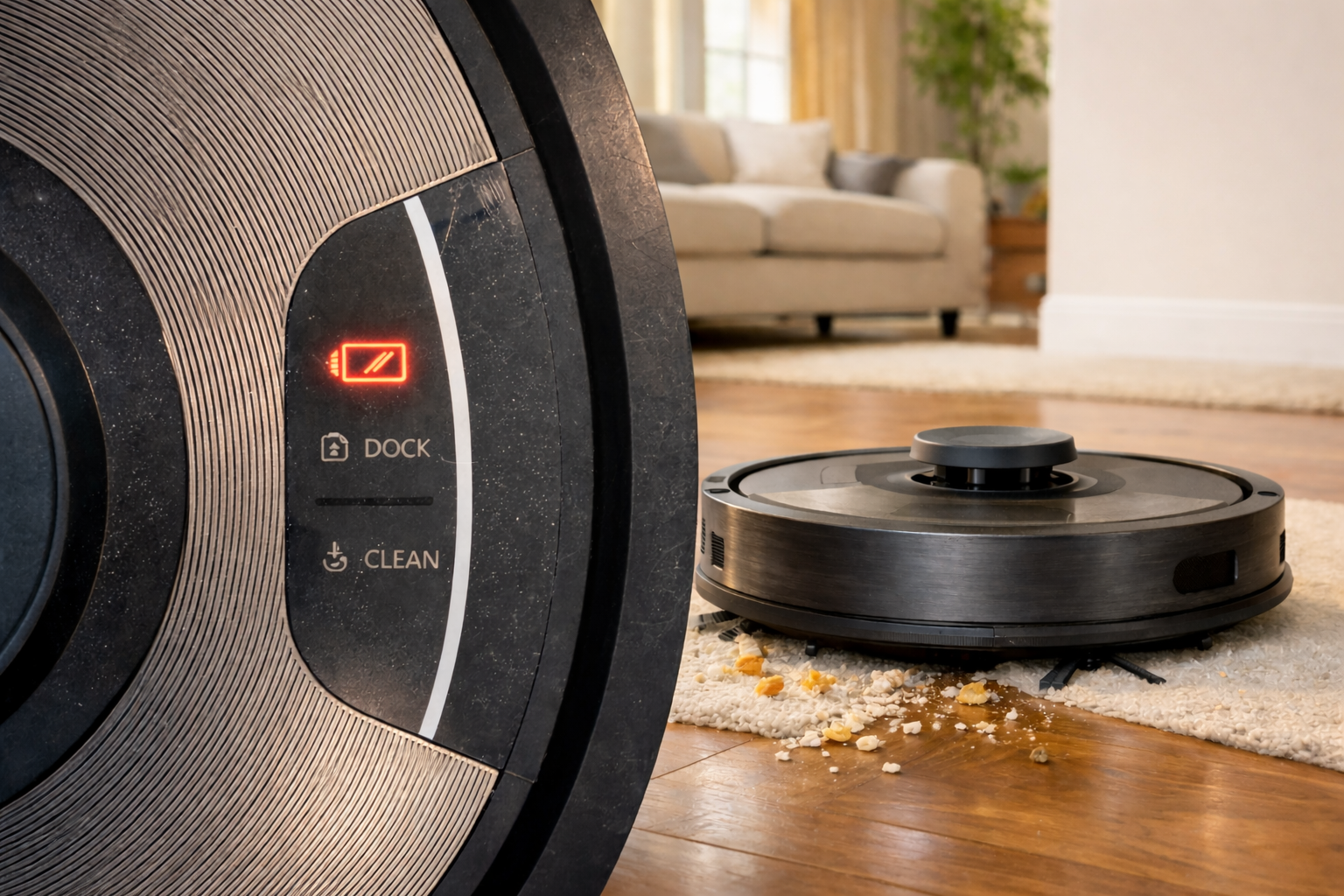
The global smart vacuum cleaner market didn’t just grow in 2025, it reorganized. Shipments reached 17.42 million units in the first three quarters of the year, up 18.7% YoY, with Q3 alone up 22.9%. Chinese brands; Roborock, Ecovacs, Dreame, Xiaomi, Narwal dominated the top five reflecting a structural shift powered by faster product cycles, ruthless price segmentation, and deep ecosystem plays. Consumers signaled what they value: AI-driven navigation, obstacle recognition, self-emptying docks, and seamless integration with voice and home platforms. Vendors that delivered those at mid-tier and entry-level prices won share while those that didn’t are now playing catch-up.
iRobot: A Pioneer That Missed the Turn
The news is unambiguous: iRobot filed for Chapter 11 and agreed to be acquired by its primary Chinese manufacturer, Shenzhen Picea Robotics, with the plan to take the company private and continue operations under Picea’s ownership. It’s an ending few expected a decade ago.
What caused the fall from grace? iRobot’s decline boils down to three things:
- Tech posture: iRobot resisted LiDAR navigation for too long, opting for vSLAM (camera-based visual mapping) that proved less consistent in real-world homes and lighting conditions.
- Price architecture: iRobot clung to premium pricing while rivals shipped better-specced mid/low SKUs globally.
- Balance sheet & policy shocks: Debt refinancing and new U.S. tariffs raised costs just as competition intensified and the Amazon acquisition collapsed.
Market Implications
Innovation cadence beats incumbency – The winners executed rapid, visible upgrades such as the inclusion of LiDAR, AI, auto‑empty bases, low‑profile designs, and more. The pace of innovation sometimes led to multiple product releases a year while the laggards optimized margins and brand heritage. The market rewarded the former.
Ecosystems matter more than SKUs. Tight integration with Mi Home, Alexa, Google Assistant, regional retail, and services is now as important as suction ratings because it drives repeat purchase and lock‑in.
2026 Outlook: Five Predictions to Watch
AI Navigation Goes From ‘Specs’ to ‘Outcomes’. Expect vendors to market room‑level autonomy such as predictive pathing, dynamic no‑go zones, seasonal routines, rather than sensor acronyms. The winning KPIs will be coverage completeness, cleaning time, and failure‑free runs per week. Chinese leaders already test and iterate on these claims aggressively.
Platform Moats Deepen. Roborock/Ecovacs/Dreame will push first‑party apps and hubs into broader home control (air purifiers, mops, window cleaners). Xiaomi will double down on Mi Home stickiness. Other brands that can’t anchor a platform will lean on Amazon, Apple, and Google integrations and retail partnerships.
Design Improvements: Thin Is In — Smart vacuums are evolving to tackle real-world challenges with slimmer profiles that reach under low-clearance furniture, enhanced ability to clear taller thresholds, and AI-powered object recognition for hazards like cords, socks, and pet waste. These innovations are increasingly being brought to more affordable models, making advanced navigation and hands-off cleaning accessible to a wider audience.
Regionalization of Portfolios. MEA and parts of Europe will continue to outgrow North America, driven by tuned SKUs (tile/stone floor focus, water tank size, voltage standards) and offline retail investment. Brands that localize service and spares win loyalty.
Bottom Line (for 2026)
Expect Chinese brands to extend their lead, especially in Europe/MEA, on the back of holistic ecosystems and relentless iteration. Watch iRobot under Picea: it may emerge as a good-enough brand with improved navigation and cost structure, but it must earn back trust and relevance quickly. The consumer win continues: more capability at lower prices.