Carbon reporting has been much in the news over the past several years, with organizations under increasing pressure to track and disclose their carbon emissions.

IDC recently published a new document that offers a holistic assessment of the rapidly evolving landscape of carbon accounting and management platform vendors that are serving growing need for accurate, data driven emissions calculations and decarbonization strategy analysis.

As the global regulatory environment for climate risk and sustainability reporting continues to develop, organizations are under increasing pressure to report on their corporate emissions as well as their strategy for decarbonization. 

Organizations are also experiencing mounting pressure from customers and business partners for transparent carbon emissions data, indicating a business value impact in lost revenue opportunities associated with non-cooperation.  This is creating new demands on software platforms to support robust emissions calculations as well as provide analytical support to optimize decarbonization pathways. 

Key Trends Representative of Carbon Management Software Capabilities

The mounting organizational regulatory and business value impact of robust carbon accounting and management practices is leading more enterprises to depend on purpose specific applications to support these initiatives. Some important trends that are driving carbon accounting and management platform development include:

  • Data driven emissions calculations and reporting is elevating the importance of prebuilt connectors and APIs to source relevant data from billing systems, enterprise applications, third party sources, and IoT devices.  Centralized management of sourced data is vital to ensure consistency, accuracy, efficiency, transparency, regulatory compliance, scalability, improved decision-making and enhanced collaboration.
  • There is a wide breadth of organizational maturity that will dictate the scale of carbon accounting that an organization undertakes.  While many organizations continue to focus primarily on internal carbon emissions, regulation is beginning to mandate value chain emissions reporting which will significantly increase the complexity of emissions calculations.
  • Regulation is also mandating limited and eventually reasonable assurance of carbon emissions data requiring solutions that are highly auditable with transparent calculation methodologies and robust data verification capabilities.
  • As the complexity of carbon emissions reporting escalates, sustainability teams, often small in number, are becoming overburdened with routine tasks, which impinges on their availability for more strategic initiatives.  An important aspect of carbon management platforms will be workload offset enabled through automation and AI driven capabilities.
  • Regulatory and stakeholder requirements are extending expectations from reporting of historical emissions to forward looking decarbonization initiatives and goal management.  Supporting these requirements will necessitate advanced strategy, analytical and scenario planning features.
  • Sustainability is increasingly extending beyond an organization’s sustainability team as initiatives are incorporated into organization KPIs and values.  Carbon management platforms therefore should incorporate communication, collaboration and project management features that will foster cross team communication.
  • Expectations for corporate carbon emissions reporting and management are rapidly advancing.  Organizations are looking to software vendors to provide not only a robust platform but are also looking to these vendors for thought leadership, education resources and support.

In an era of escalating environmental scrutiny, mastering carbon accounting is not just compliance, but a strategic imperative for future-proofing businesses.

The 2024 IDC MarketScape for Worldwide Carbon Accounting and Management Applications evaluates 18 software vendors across 29 scoring criteria categories, including 18 capability categories and 11 strategy capabilities.

Software vendors included in the evaluation offer a carbon management software solution that is either a stand-alone product or a component of a broader platform. Vendors had to meet a minimum threshold of total employees as well as operate at a global scale (defined as having operations in at least two regions of the following regions: North America, South America, EU, APAC, Africa).

This research includes the analysis of eighteen sustainability software vendors including Acuity, Cority, EnergyCAP, FigBytes, GE Digital, Honeywell, IBM, Microsoft, Nasdaq, Normative, Persefoni, Plan A, SAP, Salesforce, Sphera, Sweep, UL Solutions and Watershed, who are positioned in the leaders and major players categories. The analysis identified that all 18 of the vendors have a strong carbon management solution, but some offer a more advanced solution set as well as a more innovative roadmap compared to others.

The carbon management software landscape has experienced explosive growth over the past five years which while providing better optionality, also presents organizations with increasingly complex choices in vendor selection.

This MarketScape is meant as a guide to help organizations evaluate software vendor platforms in order to identify the best platform for their organization for today as well as tomorrow’s requirements. It provides a comprehensive analysis of carbon management platforms, highlighting the increasing need for organizations to track, manage, and report carbon emissions amid evolving regulatory landscapes and stakeholder pressures. It evaluates vendors based on their capabilities and strategies to meet future customer needs, focusing on innovation, customer satisfaction, and the ability to support organizations in their decarbonization efforts.


Amy Cravens - Research Manager - IDC

Amy Cravens is Research Manager contributing to IDC's Sustainable Strategies and Technologies Team. In this role she is responsible for the Sustainability and ESG Software research program, providing strategic guidance and research on market trends, technology usage, and business strategies. Ms. Cravens has provided strategic market consulting to companies for over two decades. Previously working as an independent consultant, her areas of research included mobile devices, services and applications. Prior to working as a consultant, Ms. Cravens served as a Senior Research Analyst at In-Stat covering mobile applications/services and public broadband.

Blockchain technology is more frequently associated with cryptocurrencies and financial transactions. However, its usefulness extends far beyond the financial services sector. As a decentralized and immutable ledger, blockchain offers unmatched security, transparency, and efficiency across various industries. This blog post explores the value of blockchain outside of financial services in industries including retail supply chain management, healthcare, intellectual property protection, real estate, identity verification, energy, digital marketplaces, and government and public services.

Supply Chain Management

Supply chain management, a prime example of blockchain’s application beyond finance, has long grappled with issues like lack of transparency and inefficiencies, leading to problems such as counterfeit goods, fraud, and delayed deliveries. Blockchain steps in as a solution, offering a transparent and immutable record of every transaction and movement of goods within the supply chain. A case in point is the collaboration between Walmart and IBM, which use blockchain to trace the origin of food products. By scanning a product’s QR code, consumers can instantly access detailed information about its journey from farm to store shelf, ensuring product authenticity and quality and enabling swift response in case of contamination or recall.

Healthcare

In the healthcare industry, where the security and privacy of patient data are of utmost importance, blockchain is emerging as a game-changer. With patient data scattered across various systems and institutions, inconsistencies, breaches, and difficulties in data sharing have been a persistent challenge. However, blockchain is changing the game by creating a unified and secure patient record system accessible only by authorized parties. MedRec, a blockchain-based system, is a shining example of this. It ensures that patient data is secure and easily accessible to healthcare providers, enhancing coordination and patient care delivery. Moreover, patients have control over their data, deciding who can access their medical history, thereby instilling a sense of security and control in them.

Intellectual Property and Copyright Protection

Intellectual property (IP) protection is another area in which blockchain can substantially impact. The current IP systems are often slow and prone to ownership disputes. Blockchain provides a transparent, timestamped, and immutable record of IP rights, making it easier to prove ownership and combat piracy. Platforms like Ascribe and KodakOne use blockchain to protect the works of artists and photographers. By registering their creations on a blockchain, creators can ensure that their IP rights are securely recorded and indisputable, simplifying the enforcement of copyright and licensing agreements.

Real Estate

Real estate transactions are historically complex and slow, involving numerous intermediaries and paperwork. Blockchain can streamline these processes by providing a transparent and secure ledger for recording property transactions, thereby reducing fraud and increasing efficiency.

Propy is a blockchain-based platform that enables the buying and selling of real estate using smart contracts. These contracts automatically execute and verify transactions, ensuring all parties fulfill their obligations before transferring the property title. This reduces the need for intermediaries, speeds up transactions, and lowers costs.

Identity Verification

Identity verification is essential for various services, yet traditional methods are often cumbersome and insecure. Blockchain provides a decentralized solution where individuals can securely control their personal information. Sovrin is an example of a decentralized identity management system. It allows individuals to create and control a digital identity that they can securely share with others. This system reduces identity theft risk and simplifies the verification process for individuals and service providers.

Energy Sector

Blockchain technology is making waves in the energy sector, particularly enabling peer-to-peer (P2P) energy trading. This allows consumers to buy and sell excess energy directly to each other, promoting renewable energy sources and increasing efficiency.

Power Ledger is a platform that facilitates P2P energy trading using blockchain. Consumers with solar panels can sell surplus energy to neighbors, creating a decentralized and efficient energy market. This empowers consumers and contributes to the broader adoption of renewable energy.

Government and Public Services

Blockchain enhances transparency and efficiency in government and public services. From maintaining public records to managing public funds, blockchain ensures that records are immutable and verifiable. Estonia pioneered using blockchain for e-governance. The country uses blockchain to secure public records, including land registries and health records. This ensures data integrity, reduces fraud, and enhances the efficiency of public services.

Digital Commerce and Cloud Marketplaces

A blockchain-enabled marketplace enables peer-to-peer (P2P) on-platform buying and selling that allows the sale of goods without intermediaries. A traditional online marketplace is centralized, meaning a third party regulates the entire buying and selling process. Transactions go through intermediary platforms that retain some percentage of the transaction. Transactions become costly, and the intermediary becomes a powerful holder of sensitive data. All marketplace participants must trust the administrator as all the operations happen only on the platform. These factors are especially relevant in the context of cross-border transactions, in which there are no mechanisms to ensure effective legal protection of the parties.

Integrating blockchain in digital commerce could potentially address these concerns by providing a decentralized and transparent system for transactions and data management. The immutability of transactions in the blockchain ensures that it is impossible to modify or lose data on participant transactions by the platform operator. Blockchain marketplace transactions are regulated by digitally signed agreements called smart contracts. These contracts can be accessed by everyone and are immutable. The terms must be approved by both parties before the transaction concludes.

Reviews and ratings are the most requested information before buyers conduct transactions. Blockchain can be used to ensure users are provided with objective and transparent information about suppliers and solutions.

Blockchain technology holds immense potential beyond the realm of crypto financial services. Its applications in supply chain management, healthcare, government and the public sector, intellectual property, real estate, identity verification, energy, and digital commerce prove its versatility and transformative power. By leveraging blockchain, various industries can achieve greater transparency, security, and efficiency, paving the way for innovative solutions to enduring challenges. As blockchain evolves and use cases expand, its adoption across different industries will accelerate, unlocking opportunities for growth and innovation.

Frank Della Rosa - Research VP - IDC

Frank Della Rosa is Research Vice President responsible for SaaS, Business Platforms, and Industry Cloud. Mr. Della Rosa's core research analyzes current market conditions and trends and provides strategic guidance to technology suppliers and mid-market and enterprise technology buyers. Ongoing research highlights various SaaS and cloud computing aspects, including hybrid and multi-cloud application deployments, business platforms, cloud marketplaces, buyer behavior, and global trends across vertical and functional markets. Mr. Della Rosa's research covers emerging ISVs' journey to SaaS, SaaS management platforms, market forecasts, and supplier market shares.

Gen AI is Transforming Experiences

In this era of AI everywhere, one thing is clear: GenAI is not just another technological advancement. It is significantly impacting many aspects of enterprises – and experiences are a huge component of this. GenAI is truly becoming a game changer in terms of the unprecedented level of hyper personalization it brings to the table.

Imagine a situation where you, as a customer, are ordering groceries online. A GenAI -enabled agent can anticipate ahead of time what items you tend to put in your cart and provide you with multiple alternatives of those out of stock, depending on your desired delivery date and time. Further, it can share with you active promos on items you tend to purchase without you having to look or search for them one by one. This would make my day to day tasks so much easier.

The value discussion is evolving – moving away from traditional methods of measuring success of CX initiatives, where it is customer metrics such as customer satisfaction, or financial metrics such as revenue, and profitability. Organizations are looking to connect the value of their CX efforts to the impact on all the stakeholders in this experience ecosystem – internal and external.

APJ organizations are recognizing this opportunity and moving fast to act on it. According to IDC’s FERS Wave 3 2024 Survey, 49.6% of APJ organizations are in initial testing stage, while 40.3% are investing significantly in GenAI.

However, 55.2% organizations are still struggling to connect AI-powered applications and technology projects to business outcomes, according to IDC’s FERS Wave 1 2024 survey results. There is still a long path to traverse to realize value from potential of these modern technologies.

Enter the Experience-Orchestrated Business (X-OB) Model

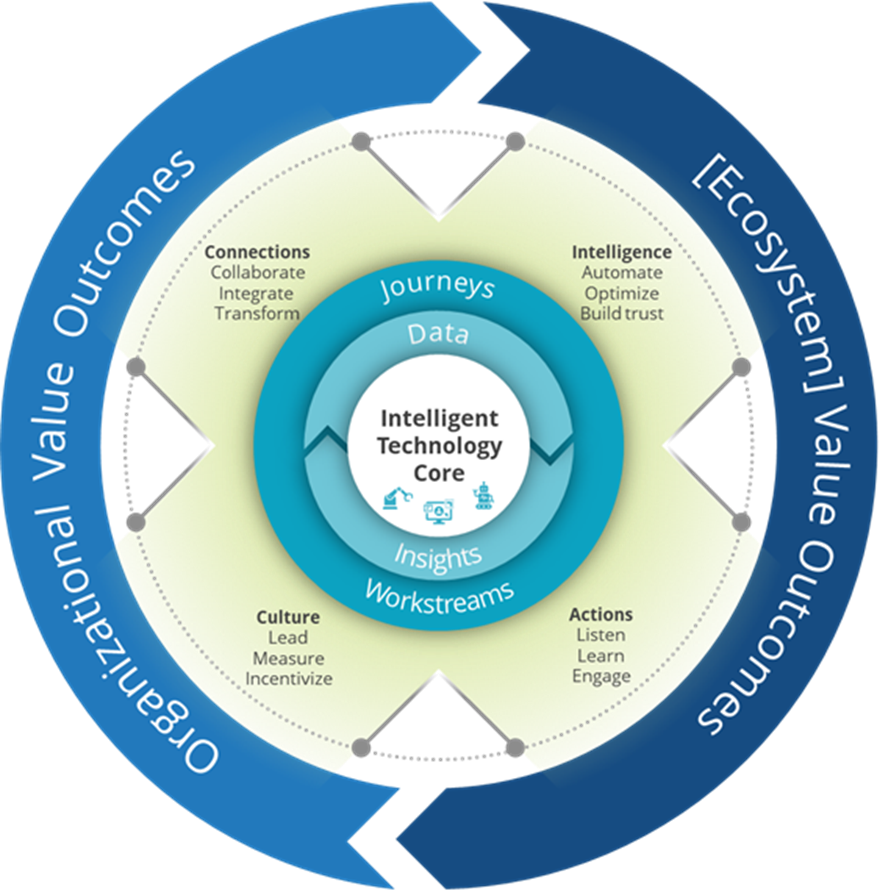
To design experiences that span processes, applications, channels, and intelligent exchanges between the entire ecosystem of stakeholders, IDC has put forth the construct of the experience-orchestrated (X-O) business.

An X-O business thrives due to its ability to deliver shared experience value powered by intelligence. To compete in an AI everywhere world, digital businesses must orchestrate a meaningful value exchange between the organization and their key stakeholders.

Data is vital to intelligent applications embedded in daily operations and decision-making. Insights help align actions with desired outcomes and ensure that investments deliver the desired results for the experience-orchestrated business. Using AI-enabled technology to optimize journeys and automate workstream tasks, organizations can break down organizational silos and foster connectedness across the experience ecosystem.

Where Does X-O Fit into the CX World

This model provides a way for all the CX stakeholders to evaluate their capabilities across the four key pillars – connections, intelligence, culture, and actions.

1. Connections: This means transforming the environment we are working in towards more cross-functional collaboration, real-time data sharing, and integration.

For customer service/support teams, this means they would be able to maintain context across interactions, reduce customer effort, provide more proactive customer engagement, and enhance their overall service quality.

For marketing and sales teams, this means a unified brand voice, consistent communication, seamless transfer of leads from marketing to sales, and so on.

When all three collaborate effectively, it can help unlock cross-selling/up-selling opportunities, integrated customer support, and consistency across channels and touchpoints.

2. Intelligence: Intelligence from automated processes can be used to optimize experiences further. Any new technology comes with risks – brand, data privacy, and compliance to name a few when it comes to GenAI. Building trust is critical – customers are becoming increasingly conscious and cautious about how and what data they are sharing across different apps and brands.

Being able to do this effectively means customer support teams have automation in place to streamline customer service processes and speed up time to resolution. Further, AI is at the driver’s seat guiding them with context-aware prompts to reply to customers, or directly being able to address customer queries.

Marketing teams can automate a greater number of manual tasks ranging from SEO, end-to-end campaign management, predicting future engagement trends, and identifying opportunity areas for improvement.

There is also the element of being able to generate more relevant content, which includes hyper personalized campaigns, towards improved engagement and conversion rates. Sales teams would be empowered with the relevant customer context before calls, higher quality leads, and so on.

3. Culture: Culture, often ignored, forms a critical part of attracting, skilling, and retaining the right talent within an organization. More often than not, organizations tend to focus on output as a measure of success. This needs to change and become more outcome-oriented. For example, customer satisfaction from closed cases should be prioritized over number of cases (effective case resolution) closed in a given time interval (productivity).

There is a need to establish joint and consistent metrics across CX, marketing, and sales. Service quality and the experience provided to the customer take precedence over productivity.

CX, marketing, and sales teams gain incentives based on customer impact – how seamless they made the experience for the customer, continuous improvement based on predictive insights, recognizing sales reps who go the extra mile to resolve customer pain points over just those who bring in the most opportunities.

4. Actions: This refers to being able to engage stakeholders in a context-aware manner. This is a result of having the right tools and technologies in place to actively listen to the various cues (sentiment, intent, behavior, etc.), and convert into actionable insights.

GenAI is great at consuming large amounts of structured and unstructured data. This large amount of data should be filtered to identify that of value. Once CX, marketing, and sales teams are armed with these insights – they can more effectively respond to customer needs ahead of the customer asking for it and in real time. All the customer micro-moments are opportunities to act fast, if you are slow, you lose out to many others in the market.

Assessing where organizations are in their ability to have all these pillars in place, will help them identify the opportunity gaps to maximize value to all the stakeholders (partners, employees, customers, community, and so on). Those who realize where they are in their journey and have a roadmap ahead on how to embed this XOB will seek to gain a significant competitive market advantage amid increasing digital sameness of experiences, where value is imperative.

Learn what matters most to your customers with IDC’s AI Use Case Discovery Tool—find out more.

Lavanya Jindal - Senior Research Analyst - Channels & Ecosystem Strategies - IDC

As a Senior Research Analyst at IDC Asia/Pacific, I focus on Channels & Ecosystem Strategies, analyzing trends and supporting strategic decision-making through research. Prior to this, my work encompassed customer experience (CX), Martech, ecommerce and product operations - highlighting my ability to adapt to various domains.

In the digital business and AI-everywhere era, technology is now a strategic enabler that permeates every aspect of business operations. According to IDC’s Worldwide CEO Survey (February 2024, n = 67), 48% of CEOs in Europe, the Middle East, and Africa (EMEA) now report regularly to the board on the status of digital initiatives, highlighting the strategic nature of digital technologies among businesses.

In this context, the chief information officer (CIO) is assuming a pivotal role as business leader, with digital technologies driving innovation, growth, and competitive advantage. Increasingly, the main KPIs on which CIOs are now measured are business-related metrics, from revenue growth to improving customer and employee experience, in a close relationship with other functional business leaders.

Historically, the CIO was primarily responsible for managing the IT infrastructure, ensuring its reliability, security, and efficiency. However, in today’s digital business era, European CEOs are assigning their CIOs multiple responsibilities, each one building upon the other to an increasing level of complexity:

  • IT Modernization: This will be the primary responsibility for CIOs for the next two years, with the aim of making IT systems and solutions up to date and capable of providing the necessary speed, efficiency, and flexibility to improve business results. The expansion of artificial intelligence and generative AI — and the drive to generate value from these technologies — is drawing attention to the fundamental aspects of foundational IT. Modernizing IT systems and processes also requires significant organizational change, addressing concerns and resistance from stakeholders and ensuring a smooth transition to new systems and technologies. This involves training and support for employees to help them adapt to new ways of working, which requires collaboration from other C-suite roles.
  • Digital Business Orchestration: In the next two years, as organizations mature into digital businesses, CIOs will be increasingly expected to orchestrate digital business initiatives across different functions, with a view to generating new revenue streams from digital business models, such as ecommerce or servitization. While C-Suite buy-in and stakeholder management are key for this progress, they will be even more essential for IT modernization. For instance, in the majority of organizations, investment decisions around artificial intelligence entail joint accountability. IDC predicts that in 2024, as part of a responsible Al strategy, 40% of CIOs in EMEA organizations adopting Al will team up with line-of-business CxOs to ensure a clear ROI on prioritized use cases (IDC EMEA Futurescape, 2024).
  • Risk Mitigation and Management: Macro-shocks such as the Covid-19 pandemic, geopolitical and economic uncertainties, and supply chain disruptions have underlined the need for digital technologies to strengthen overall organizational resiliency. CIOs are tasked with ensuring business continuity and defining disaster recovery plans in the face of risks ranging from cyber attacks to unpredictable external events. Investing in security technologies to improve organizational risk posture is first priority for European CEOs and CIOs. Moreover, attention to regulatory compliance and corporate trust is on the rise, as reflected in the European Union, for example, with directives such as the Corporate Sustainability Reporting Directive (CSRD). Technology can play a key role in such areas as integrating and automating environmental, social, and governance (ESG) compliance reporting. This is why IDC also predicts that, by 2025, CIOs in at least 60% of large EMEA organizations will have components of their compensation package tied to ESG targets.
  • Cost Optimization: Despite persisting macroeconomic uncertainties, European CEOs do not expect to reduce IT budgets, as digital investments are key to driving business growth. In fact, according to IDC Worldwide Black Book Live Edition (March 2023), IT spending in EMEA will grow four times faster than GDP in 2024. However, with the number of digital initiatives increasing steadily and IT modernization efforts requiring significant financial investments, CIOs are in charge of resource allocation and are often being accountable for cost control when orchestrating digital business initiatives across functions.

As the role of CIOs expands to encompass broader strategic responsibilities, these leaders are increasingly claiming their seat on the Board as digital business leaders.

To learn more about IDC EMEA CIO Predictions, download our ebook IDC FutureScape “What If You Could See Around the Corner — EMEA Perspective” or reach out to discover more on IDC EMEA C-Suite Tech Research.

Martina Longo - Research Manager, Digital Business - IDC

Martina Longo is a research manager in the IDC Digital Business Research Group. In her role she advises ICT players on how European organizations create business value using digital technologies. She also leads IDC European Digital Native Business research, focused on those enterprises born in a modern technological world in a mix of start-ups, scaleups, and more mature digital natives. Within the European Digital Business Research, the European Digital Native Business, Start-ups and Scale-ups theme advises technology suppliers on the market dynamics and segmentation, business priorities, tech buying patterns and go to market approaches (sell to/sell with) needed to engage digital native organizations in Europe.

Great Expectations

Over the last two years, artificial intelligence has captured investors’ attention as the main driving force for technology markets. Whereas debates around names like Nvidia, AMD, or Super Micro were previously limited to technology geeks and IT circles, they have now become household names as their stock prices soared and garnered media attention.

The key to the growth has been the ongoing arms race as large tech companies bet big on AI and spend aggressively on the necessary infrastructure to power these solutions. Capital expenditures at Microsoft, for example, rose 66% year-over-year to $11 billion while Alphabet’s capex practically doubled to $12 billion in the latest quarter.

The euphoria is by no means limited to technology companies either. In 2023, AI was mentioned over 30,000 times on earnings calls as CEOs and CFOs sought to weave the technology into their product roadmaps and narratives.

Below is a snapshot of IDC’s latest views in three key areas of the AI value chain:

1: AI in Semiconductors

To date, much of investors’ attention has been concentrated on the semiconductor players involved in the AI value chain – and for good reason.

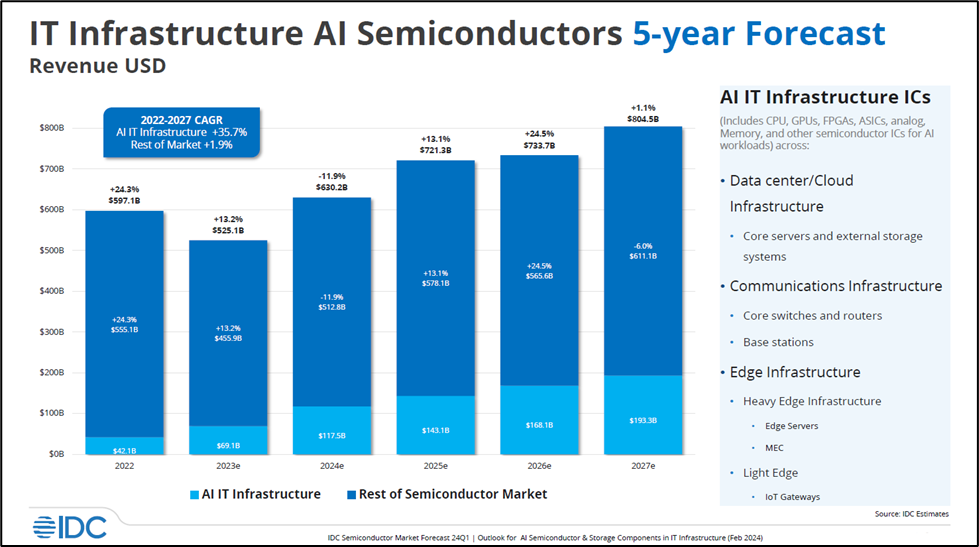
In 2022, IT Infrastructure for AI semiconductors was just $42.1 billion. By 2023, IDC estimates it had risen 64% to $69.1 billion and by 2024 we expect the market to accelerate by 70% to $117.5 billion. By the end of 2027, we forecast that IT Infrastructure for AI semiconductors will reach $193.3 billion representing a 5-year CAGR of 35.7%.

The chart below shows CPUs, GPUs, FPGAs, ASICs, Analog, Memory, and other semiconductor ICs that support AI workloads across the datacenter and cloud infrastructure. It also includes communication infrastructure such as switches and routers.

Note: The above chart only shows the semiconductor view for infrastructure. It does not include the silicon going into phones or PCs.


While a lot of the growth to date has occurred within the datacenter for AI training, we expect the next wave of growth to come as networks continue to virtualize and as AI is infused into network infrastructure workloads. After which, we expect the edge to represent the next big opportunity as billions of connected devices at the edge will double in volume by the end of our forecast period, which will generate a large part of the data that is driving AI inferencing.

For a deeper dive into the topic, watch IDC’s 2024 Semiconductor Market Outlook webinar on demand here.

2: AI in Servers

Looking at the overall server market, we see two diverging trends playing out.

In 2023, global shipments of servers declined 19.4% to 12 million units as macroeconomic pressures continued to slow enterprise investments. However, over the same period, average selling prices or ASPs rose 37.1% to $11,376 as GPU-server growth soared from hyper-scalers and large cloud providers expanding their GPU deployments – largely driven by AI demand. The rise in ASPs offset the lower volumes leading the total market to grow 10.5% to US$136 billion.

Homing in specifically on AI servers, IDC estimates that the segment comprised approximately 23% of the total server market in 2023 and will increasingly represent a larger portion of the market going forward. By 2027, we forecast the AI server market’s revenue to reach $49.1 billion with a key assumption that GPU-accelerated server revenue will continue to increase share among all acceleration types.

“For clarity’s sake, IDC defines AI Servers as servers that run one or more of the following applications:

  • AI platforms: Software platforms dedicated to AI application development; most AI training occurs here.
  • AI applications: Applications whose prime function is to execute AI models; most AI inferencing happens in this category.
  • AI-enabled applications: Traditional applications with some AI functionality.

This means IDC’s definition includes servers that run AI with the support of a coprocessor, such as a GPU, an FPGA, or an ASIC, referred to as “accelerated servers”, including servers that run AI on the host processors only, referred to as “non-accelerated servers”.

3: AI in Devices

While much of the AI workloads today occur in the cloud and datacenters, there are also compelling arguments for running AI locally on devices such as PCs and smartphones. This is for three primary reasons:

Privacy and security: Enterprises concerned with uploading sensitive data to a public cloud may instead store it locally on their own devices to retain more control.
Cost savings: It can be more cost-effective over the lifetime of a device to run AI workloads locally to limit the need to access expensive cloud subscriptions or resources.
Performance and latency: Running AI on-device can eliminate the round trip that workloads make between the cloud and back over networks.

AI PC Market

While the market is still relatively nascent, IDC expects AI PC shipments to begin ramping up in 2024 and become pervasive by 2027. Our Worldwide Personal Computing Device Tracker forecasts 54.2 million AI PC units shipped in 2024 representing 21% of the total PC market. By 2028, we expect this proportion to reach almost 60% of the market at 166.4 million AI PC units.

Notably, we expect that the commercial segment will lead the AI PC market growth as businesses pilot the technology and identify the most pressing use cases.

AI Smartphone Market

Most smartphones today already have some degree of AI capabilities integrated, especially around photography. What IDC defines to be “next-gen AI smartphones” are devices with a system-on-a-chip (SoC) capable of running on-device Generative AI models more efficiently leveraging a neural processing unit (NPU) with 30 Tera operations per second (TOPS) or more performance.

In 2024, our preliminary estimate is for 170 million AI smartphones to be shipped comprising about 15% of global volumes. This represents a more than 3x increase from 2023 shipments, and we expect the share of AI smartphones to continue increasing as more concrete use cases emerge.

We discuss our forecasts in more detail in our AI Devices webinar here.

Looking Ahead: AI Use Cases and Monetization

As the industry continues to evolve, AI will become pervasive across mediums and deployments. While much of the heavy lifting and training will continue to occur in the cloud, more inferencing can be expected to happen on devices and at the edge. This makes it especially critical for investors to track the ways and pace that AI is dispersing across the value chain.

Importantly, to sustain the momentum that has already occurred in capital markets, two things need to happen:

• Use cases for AI must deliver on their promises of enhanced productivity and efficiency. While increasingly fast and powerful hardware continues to be created, what solutions those new capabilities unlock and what “killer apps” eventually emerge is far more important.
• Monetization paths need to be clear and achieved at a pace that investors deem acceptable. While investors have largely been accepting of skyrocketing capital expenditures to date, increasing scrutiny will likely occur as shareholders await the uplift in revenues to assess returns on investment.

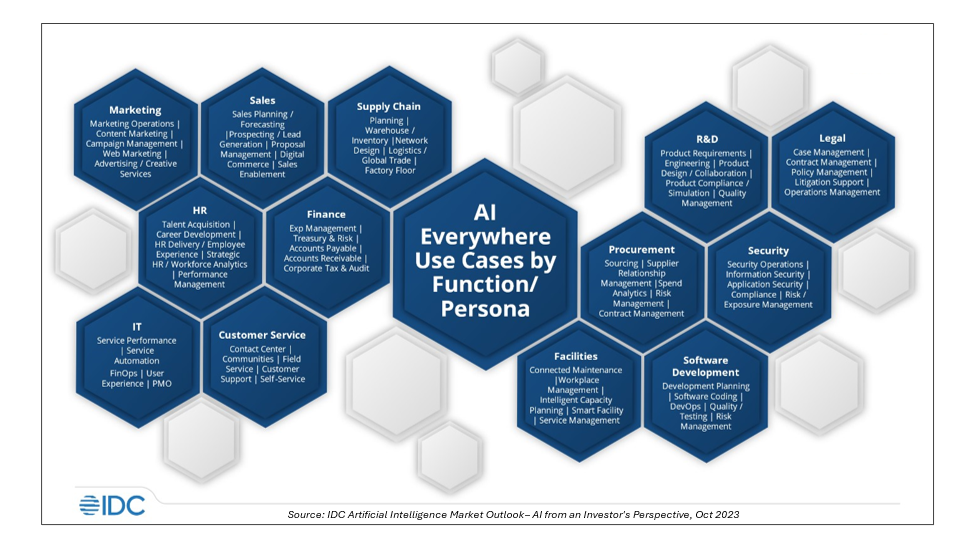
While certainly not exhaustive, below is a snapshot of current AI use cases:

To learn more on how you can make IDC an extension of your research process in making sound investment strategies, explore IDC Investment Research and sign up for the IDC Tech Investor Newsletter.

The European cybersecurity landscape is evolving at an unprecedented pace, driven by an increase in cyberthreats, stricter data privacy and GDPR compliance, and the widespread adoption of cloud technologies.

For security vendors, this dynamic environment presents a unique set of challenges and opportunities. A well-defined cybersecurity strategy tailored to the specific needs of European businesses is crucial for success.

Cloud Security: Compliance and Differentiation

As cloud adoption continues to rise, so too does the need for robust cloud security measures. A strong cloud security positioning, aligned with emerging EU regulations, is essential for building trust and credibility with European customers. Vendors should equip their sales teams with buyer intelligence that highlights the strengths of their offerings and demonstrates how their solutions address industry-specific cybersecurity challenges.

Endpoint Security: Tailored Messaging for Maximum Impact

With the increase in remote work, endpoint security has become a top priority for businesses across industries. To resonate with potential customers, security vendors should develop targeted content addressing unique endpoint security concerns in sectors such as healthcare and finance. Training sales teams to effectively address objections related to the complexity and cost of managing endpoint solutions is key to success.

Managed Security Services (MSS): Catering to Diverse Needs

MSS are increasingly in demand as organizations struggle to keep up with the ever-changing threat landscape. To effectively serve the European market, vendors should define a diverse MSS portfolio that caters to both midmarket companies and large enterprises and that addresses their varying resource constraints and needs. Highlighting successful MSS implementations across different European countries, with a focus on compliance and operational benefits, can be a powerful way to demonstrate value and build trust.

IT/OT Convergence: Bridging the Gap

The convergence of IT and operational technology (OT) presents a unique challenge in the cybersecurity landscape. Industrial sectors face unique challenges, and vendors should develop clear road maps to address the integration of IT and OT security. Sales enablement should focus on equipping teams with the knowledge and tools to articulate the value proposition of converged security solutions to IT, OT, and business decision-makers.

Network Security: Staying Ahead of Emerging Threats

As network infrastructure becomes more complex and interconnected, so do the threats targeting it. Security vendors can establish thought leadership by creating content that highlights emerging network security threats, such as 5G vulnerabilities and IoT attacks.

Demonstrating how their solutions effectively mitigate these threats can be a powerful way for vendors to differentiate in a crowded market. Equipping sales teams with ROI calculators can help showcase the cost savings associated with proactive network security measures.

Data Security and Privacy: Adapting to a Changing Landscape

The evolving privacy landscape in Europe, with its focus on data sovereignty and cross-border data transfers, requires a proactive approach to data security. Vendors should align their solutions with the latest European cybersecurity standards and educate prospects on best practices and the legal implications of noncompliance. Webinars, white papers, and other educational content can help build awareness and drive demand for data security solutions.

Conclusion

By following these best practices and leveraging market intelligence, security vendors can effectively navigate the complexities of the European cybersecurity market and achieve long-term success. Building a robust cybersecurity strategy that addresses GDPR compliance, industry-specific challenges, and emerging threats will position vendors as trusted partners in the eyes of European businesses.

Interested in a deeper understanding of the issues discussed here? Contact Dominique Bindels at dbindels@idc.com.

Also, you might be interested in the following complimentary IDC guides:

Increase Customer Lifetime: The B2B Growth Marketing Guide for Tech Vendors
B2B Marketing & Sales Guide to Outcome-Focused Conversations

Don’t miss our webinar “The New Cyber Security Opportunity in an ‘AI Everywhere’ World”

Dominique Bindels - Consulting Manager, Custom Solutions Europe - IDC

Dominique Bindels is a consulting manager in the IDC European Custom Solutions team, partnering with companies in the AI/ML, security, process automation, and Big Data analytics spaces. He has a background in strategic consumer market research for consumer electronics and related services and ecosystems, providing leading consumer electronics companies with insights and analysis. He is a regular speaker at industry and client events. He studied in the U.K. and Germany, and has master's and bachelor's degrees in international business with finance.

We’re a few weeks into what I’m calling the AI PC Rally of 2024, where nearly back-to-back industry events pull back the curtain to reveal more AI capabilities and use cases to make the latest generation of PCs and phones more compelling.

So far, Google I/O and Microsoft Build have passed. In a few more weeks’ time, Computex and Apple’s WWDC beckon. We’ll revisit those when time comes (and a deeper report for clients is on the way from my teammates Tom Mainelli and Linn Huang), but a number of things have caught our device team’s eye so far.

Microsoft Build was one of the events that we were most eager to see given all of the interest around Copilot and its potential to pivot the industry. Specific to devices, the big question was not just the new features that Microsoft would unveil, but also whether their existing AI models would migrate from the cloud to the device to take advantage of NPUs unlocked by suppliers like Qualcomm.

To that end, Microsoft delivered 40 local AI models via its Windows Copilot Runtime layer, not to mention Microsoft’s own 3.3 billion parameter SLM called Phi-Silica to run locally on AI PCs. Not surprisingly, creative use cases were one major focus, as seen in the impressive Cocreator drawing app. Other use cases included live captions, Auto Super Resolution upscaling, as well as Copilot even helping users to play games like Minecraft. These won’t dramatically change our outlook for 20% of PCs this year to be AI-enabled, but the demos were a plus nonetheless.

What was more provocative was the Recall for Windows 11 feature, which perhaps has the most potential for changing user behavior by providing users with a scrollbar to easily search their PC activity including web browsing, meeting notes, and productivity files for recalling later. But it needs an allocation of at least 25GB of storage for roughly three months of screenshots, which raised privacy concerns.

Of course, privacy is one of the main reasons for running an AI model locally on the device’s NPU rather than in the cloud (and that is on top of the encryption, automatic deletion, and options to exclude applications or disable the feature altogether), but fears of exposed paper trails triggered strong responses nonetheless, especially when involving screenshots. It is worth pointing out that Rewind AI, a similar third-party app with an inclination toward Apple users, captures a user’s screen too, and yet hasn’t drawn as much scrutiny, perhaps because of its lower profile.

Another important thing to watch is how developers take advantage of the hardware and software tools at their disposal, which is one of Microsoft’s objectives for its Build conference after all. Given the rocky history of Windows on ARM, it was certainly refreshing to see native apps like Photoshop, Spotify, and Amazon Prime available. More importantly, third party browsers like Google Chrome, Firefox, and Brave are now native, playing a critical role as more applications become browser-based. Legacy applications – which can be important in enterprises in particular – can still be run through the Prism emulator, which Microsoft claims to be as efficient as Apple’s Rosetta 2. Qualcomm even told gaming developers two months ago that many games will run through emulation at full speed, although some big titles like Roblox, Valorant, League of Legends, PUBG, and Fortnite, don’t run due to anti-cheat drivers at the kernel-level.

And of course, there was a big hardware reveal that the Windows ecosystem has been eagerly awaiting in light of all of the attention that Apple’s MacBooks have been gaining in recent years. An ecosystem of OEMs will be rolling out what Microsoft deems Copilot+ PCs. It’s an odd name, but the systems look promising with an NPU capable of at least 40 TOPS as well as 16 GB RAM and 256 GB of storage, with offerings starting at $999 and shipping on June 17th.

Performance benchmarks naturally are of interest, but power efficiency via the NPU is also one of the pitches, with a range of Snapdragon X Elite proof points such as 20% better battery than the latest 15″ MacBook Air and double battery life of an Intel-based Surface Laptop 5. Qualcomm’s many OEM design wins included:

  • Dell offered designs spanning its Latitude, Inspiron, and XPS, which is notable given that Dell tends to lean toward Intel for its commercial-heavy customer base. Lenovo’s Yoga Slim 7x and ThinkPad T14s Gen 6, the former of which also uses a proprietary “Lenovo AI Core” chip, which is likely the LA3 that it has used on Legion gaming laptops for power efficiency.
  • HP and Acer both offered products that featured their own AI branding, which was obvious not only in its product naming suffixes, but also with their own logos on the products themselves. Acer’s logo is even featured on the touchpad and lights up when Copilot is activated.
  • ASUS launched a product in its Vivobook line, which is targeted at creators but on a more budget-friendly level than its ProArt line with with discrete GPUs. Samsung naturally leveraged its broader ecosystem by including its Knox secure enclave to share data with Galaxy phones and bundled a free 50″ TV in some geographies.
  • Microsoft’s own Surface Pro line for 2024 included both detachable tablet and clamshell offerings, with the former offering not only an OLED option but also a wireless Flex keyboard.

Not to be outdone, Intel talked up its upcoming Lunar Lake platform, whose NPU also does 45 TOPS and thus also can power Copilot+ PCs. We are sure to hear more about Lunar Lake at Computex next month along with archrival AMD’s Strix Point. See many of you in Taipei!

Bryan Ma - Vice President - IDC

Bryan Ma is Vice President of Client Devices research, covering mobile phones, tablets, PCs, AR/VR headsets, wearables, thin clients, and monitors across Asia as well as worldwide. Based in Singapore, Bryan provides insights and advisory services for both vendors and users, and coordinates his team of analysts in building IDC's core market data, analysis, and forecasts in these sectors. Bryan has been quoted in a number of publications, including The Wall Street Journal, The Economist, The Financial Times, BusinessWeek, The South China Morning Post, and The New York Times. He has been a featured speaker at numerous industry conferences and appears frequently as a guest commentator on television networks such as CNBC, Bloomberg, and the BBC.

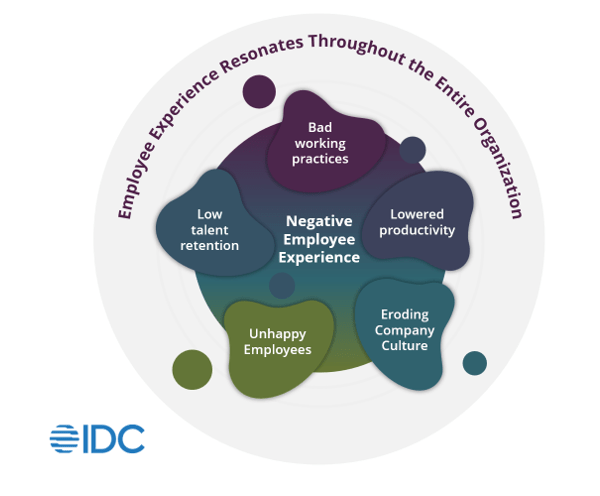
The success of any organization is inextricably linked to the experiences of its employees. Positive employee experiences (EX) generate favorable results, contributing to the overall health and success of businesses. Conversely, employee dissatisfaction can cascade through the organization, leading to stagnation in innovation, declining client satisfaction, and reduced profitability. Thus, employee dissatisfaction serves as an early warning sign of deteriorating organizational health.

According to IDC’s latest Future of Work Employee Experience EMEA Survey, 63.6% of employees in the Europe, Middle East, and Africa (EMEA) region are unhappy with their employers. This alarming statistic indicates that nearly two-thirds of businesses in EMEA are vulnerable to the risks associated with poor employee experiences.

Employee dissatisfaction often manifests in suboptimal customer experiences (CX). Happy, engaged employees are more likely to deliver exceptional service, driving customer loyalty and business growth. Therefore, improving EX is a strategic imperative for enhancing CX and achieving sustainable success.

This blog highlights five practices that organizations must avoid in order to prevent the negative domino effect of poor employee experience on business success.

  1. Reliance on Outdated Technology

Organizations often upgrade their technological solutions to improve compatibility and strengthen security. However, the impact of outdated technology on employee experience is frequently overlooked. When employees are forced to use obsolete systems, their efficiency suffers, leading to frustration and disengagement. This hampers their ability to solve problems creatively, as well as their ability to innovate.

Reliance on legacy systems also increases the likelihood of technical failures, slowing down workflows, escalating operational costs, and eroding the organization’s competitive edge.

  1. Inefficient IT Support

IT support is the backbone of a well-functioning modern workplace. Inadequate IT support results in lingering technical issues, causing disruptions and prolonged downtimes. This frustrates employees, leading to decreased morale and productivity.

Employees expect prompt and effective solutions to their technical problems. When these expectations are not met, trust in the organization erodes, resulting in higher turnover rates, increased absenteeism, and a general decline in workplace engagement. An underperforming IT department thus becomes a critical vulnerability, impacting overall employee experience, client satisfaction, and profitability.

  1. Excessive Surveillance and Monitoring

The rise of employee surveillance and monitoring technologies is a double-edged sword. While intended to boost productivity and security, excessive monitoring can severely damage workplace culture. Employees who feel constantly watched are likely to experience heightened stress and anxiety, reducing job satisfaction and productivity.

A culture of surveillance undermines trust between employees and managers, fostering a punitive environment where employees feel undervalued and demoralized. This stifles collaboration and creativity, both of which are essential for innovation. Moreover, a culture of mistrust can tarnish the organization’s reputation, hindering its ability to recruit and retain top talent.

  1. Insufficient Communication and Productivity Tools

Effective communication is vital to any organization. Insufficient communication tools impede the flow of information, leading to misunderstandings, errors, and delays, which disrupt workflows and diminish overall productivity.

Without robust communication platforms to facilitate collaboration, organizations risk creating silos within departments. Poor communication tools not only hinder day-to-day operations but also stymie strategic initiatives, affecting long-term organizational goals.

  1. Lack of Structured Training and Development Programs

Top talent across all sectors seek opportunities for personal and professional development. Organizations that neglect employee training and development risk losing valuable talent to competitors offering better development opportunities. Additionally, a lack of training leaves employees ill-equipped to adapt to new challenges and technologies, leading to stagnant growth and diminished innovation.

Employees view training and development as crucial to their career growth. Organizations that invest in their employees are more likely to earn their loyalty and engagement. Conversely, businesses that fail to provide these opportunities face higher turnover rates and reduced employee loyalty, incurring significant recruitment costs and disrupting continuity and team cohesion, further impacting productivity and client satisfaction.

Conclusion

The interdependencies within an organization mean that poor employee experiences can trigger a cascade of negative outcomes. To mitigate these risks, organizations must prioritize employee experience. Investing in employee experience not only enhances organizational health but also drives business success. Organizations in EMEA recognize this: in 2023, 62% of businesses in the region reported that they were investing in employee experience (Source: IDC’s Future Enterprise Resilience Survey, June 2023, n = 1,014).

Addressing these five common areas that cause poor employee experience is a critical step toward achieving better organizational health and overall success.

Find out more about IDC’s research on factors that influence employee experience here.

Gala Spasova - Senior Research Manager, Europe Smart Office and EMEA Content & Knowledge Management Strategies - IDC

Gala Spasova is a senior research manager in IDC's Future of Workplace & Imaging team. Her research focus is on Hybrid working, Smart Office technology and Content & Knowledge Management Strategies in EMEA. Spasova is also part of the European Technology for Sustainability and Social Impact Practice, in which she offers strategic direction and advice to ICT players on the business value of sustainability. In her role, she is involved in providing market analysis and insights and business planning advice and delivering consulting projects. Gala's experience enables her to aid the development of new products and services for customers of IDC Europe.

There’s no way around it. The time to plan for AI skills and roles is now. Just a year into the GenAI hype cycle, the question is no longer whether enterprises must skill up employees for the age of AI. It’s when and how they should do it.

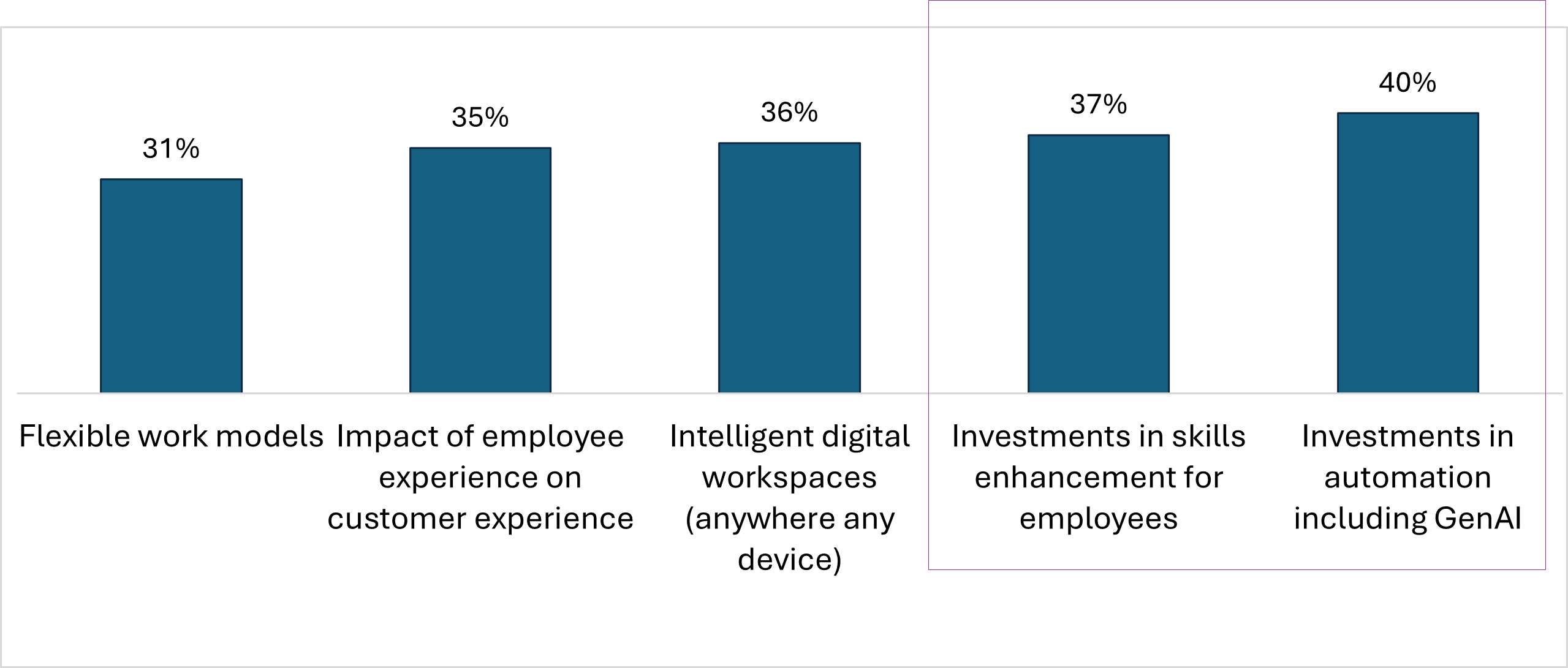
For leading organizations in every sector, the heat is on. According to IDC data excerpted in IDC’s Skills and the AI-Enabled Business study, some 40% of enterprise and line-of-business respondents believe their GenAI tech investments will continue in the foreseeable future. That was slightly ahead of their IT skilling investments, which 37% of respondents predicted would be the most persistent investment moving forward.

FIGURE 1 : AI and Skills for Business Growth

Source: Future Enterprise Resiliency & Spending Survey Wave 3, IDC, April 2024, N=887

The two topics – GenAI and skills – are directly related. Organizations in all sectors and geographies face a widening shortage of IT skills, including skills related to security, cloud, IT service management and AI. And in addition to being the subject of skills development, GenAI technologies can and do speed training. But there’s a wider aspect for enterprises to consider, too. Organizations must make sure leaders, employees, partners and, eventually, customers become fluent with the AI and GenAI-fueled tools and processes. Soon these will be foundational to most business processes.

Amid growing IT skills shortages, the stakes are high. To remain competitive, global IT and business leaders must move to accept and deploy AI as a transformational force, one that will fully remake roles, skills requirements, and the very nature of innovation and creativity in the enterprise. This article presents three strategies business and IT stakeholders should embrace now to ready their enterprises for the age of AI moving forward.

1. Implement GenAI to Improve and Speed Training For All Skills

As the IDC AI study notes, enterprises across geographies already face a severe IT skills shortage. Now they face rising demand for AI and GenAI capabilities, too, a reality that exacerbates the substantial skill gaps so many enterprises now report.

Some 30% of IT and LOB leaders see skills and labor shortages as top risk factors for tech strategies and budgets in the coming year. In IDC’s Future Enterprise Resiliency (March 2024), 62% of IT leaders told IDC that a lack of skills had resulted in missed revenue growth objectives (IT Skills Survey, Jan. 2024).

More than 60 percent say the dearth of skills also has led to quality problems and a loss of customer satisfaction overall. And IDC predicts that, by 2026, more than 90% of organizations worldwide will feel similar pain, adding up to some $5.5T in losses caused by product delays, impaired competitiveness and lost revenue.

Notably, GenAI can help to improve IT training outcomes. In fact, more than half of IT leaders tell IDC they have already begun leveraging GenAI tools to create and update courses (42%) and analyze skill assessment interviews and transcripts (46%). Down the road, IDC expects IT training tools to add more AI and GenAI technology. That will allow for personalizing courses to the skills, roles and learning styles of employees, a development that should add up to faster and better skilling outcomes overall.

At this writing, almost every major IT training platform has either announced or delivered GenAI features to help personalize training. These features include GenAI chatbot tutors for enterprise learners, simulations to help tech staff practice problem-solving and AI-powered games and challenges for skill and learning reinforcement. Some training programs now leverage AI to adapt content to the pace, learning style and role of the learner. Digital Adoption Platform (DAP) vendors are following suit, too. Most major players in the category now or soon will offer rich AI data analytics that help enterprises identify learning patterns and bottlenecks.

2. Focus on Developing a Holistic Array of Skills

No enterprise survives on just tech skills alone. To compete in the age of AI. They also need digital business skills, leadership skills and human skills.

Likewise, employees in HR, marketing and communications need to better understand the nature and technical dependencies of new applications essential for guiding their teams. Absent of sufficient technical knowledge and critical judgement about how things function, they will end up misguiding them.

When considering skill gaps in the enterprise, be sure to account for the broad swath of skills employees will need to get the job done. Take time to map the skills each role now requires against what skills will be needed in the foreseeable future.

3. Deliver AI Training Across the Organization

In addition to focusing on the technical, leadership and human skills around AI and GenAI, enterprises should take care not to lose focus on the humans who truly power a business. In a recent 2024 IDC survey, only 36% of organizations told IDC they are mandating AI and GenAI awareness. Enterprises must do a lot better than that. Without proper support and socialization to help humans learn how to work and partner with AI systems, AI initiatives will fall short.

Start with awareness. That is the key to any successful tech implementation, but it is most critical with AI and GenAI which, understandably, can make employees nervous about losing their jobs. Implement mandatory training sessions, workshops and seminars to ensure that employees understand how AI and GenAI play into company strategy overall. They must understand how the organization intends to use such tech to enhance current roles and create new ones.

Automation, after all, isn’t new. Employees should understand that GenAI and AI simply continue and accelerate the need for upskilling and cross-skilling. While dispelling any misconceptions about AI-based automation stealing jobs, leaders should highlight exactly how AI can augment human capabilities. Frame the promise of AI in terms of reassigning rote work, which allows employees to focus on more strategic tasks.

FIGURE 3: Automation technologies impact on employees over 18 months

Source: Future Enterprise Resiliency & Spending Survey Wave 3, IDC, April 2024, N=887

With AI and GenAI, enterprise leaders should create and foster a culture of trust that keeps humans in the loop. CIOs should create an environment where employees can securely experiment with AI tools, learn from their mistakes and get feedback. Make sure to set up regular team meetings where stakeholders across all functions – not only technical roles – can openly discuss AI projects and results. Transparency matters.

In addition to changing job roles, AI and GenAI technologies are already making an impact on how marketers create content, how HR reps seek out and hire new talent and how financial analysts offer loans. The list of functional use cases goes on, mandating that organizations invest in continuous learning and skill development in technology.

As AI and GenAI evolve, so too, will the skills needed to work effectively with them. CIOs should invest in continuous learning and development programs to ensure their teams keep up with the latest AI trends and technologies. The goal isn’t to turn every employee into an AI expert, of course. But each employee does need to know how and when to partner with AI, and they must do so with best practice AI ethics and compliance in mind.

By focusing on augmenting the capabilities of employees and fostering a culture of learning and AI-human collaboration, organizations can better navigate the challenges and seize the opportunities of the AI age.


Learn what matters most to your customers with IDC’s AI Use Case Discovery Tool—find out more.

Gina Smith, Ph.D - Research Director - IDC

As a Research Director at IDC, Gina Smith produces research in the IT education and skills sector. Her responsibilities include primary research, analysis, and the production of market insights worldwide. The New York Times bestselling author of Apple cofounder Steve Wozniak's memoir, iWoz: How I Invented the Personal Computer (2006/2011) and The Genomics Age (2005), a Barron's Book of the Year, Gina has more than 25 years of working experience in technology journalism, publishing, and tech startup management. She was CEO of Oracle founder Larry Ellison's network computer startup in 2000, served ABC News as its first on-air technology correspondent, and was editor-in-chief of BYTE magazine.

In today’s rapidly evolving digital landscape, one concept is consistently making waves across all sectors: digital twins. Digital twins serve as virtual replicas of physical entities, systems, processes, organizations, or ecosystems, offering real-time insights into their operations.

Unlike static representations, digital twins dynamically mirror in real time the life of their physical counterparts. Twins empower organizations to optimize performance, predict issues, and uncover valuable insights previously out of reach.

Previously mostly confined to sectors like manufacturing and energy, digital twins now span diverse industries. Evolving from specialized solutions, they’ve become versatile tools for enhancing operations and guiding decision-making processes.

Digital twins facilitate ongoing operational improvements by dynamically adjusting to evolving operational parameters, environmental factors, and human input. This synergy of digital capabilities and human expertise fosters a culture of continuous operational excellence and refinement.

But with this rapid expansion comes the challenge of defining, implementing, and maximizing the true value of digital twins.

Industry Transformation: Innovative Applications of Digital Twins

In today’s ecosystem-driven world, digital twins are key to industry transformation. Inherently flexible, digital twins scale from entity representations to encompass entire interconnected enterprises and ecosystems, offering a comprehensive view of assets, operations, and partners. They enable organizations to model, monitor, and predict the behavior of the various components of the ecosystem to facilitate adaptation as conditions change and to drive innovation.

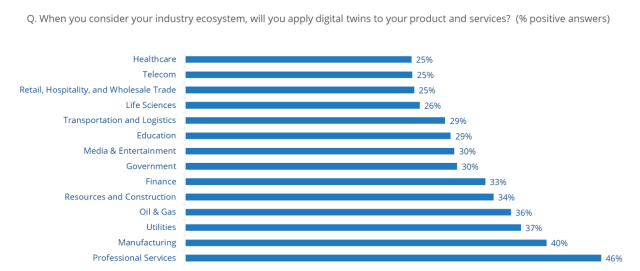
Our research shows how, quite consistently, organizations across different sectors are harnessing digital twins to innovate products and services within their ecosystems.

Healthcare Innovation through Digital Twins

In healthcare, optimizing care and clinical outcomes requires a deep understanding of the broader ecosystem in which patients live and how they access services, adhere to prevention initiatives and treatment plans, and what resources they need. To innovate care services, healthcare organizations need to collaborate with various stakeholders across multiple processes.

The European Commission’s VHT Initiative promotes digital twin technology in healthcare through research and deployment activity. This includes funding for computational models, infrastructures, and projects like the European Virtual Human Twin (EDITH), which among its objectives aims to create a federated cloud-based repository for cataloging resources and designing a simulation platform that provides users with a one-stop shop to design, develop, test, and validate digital twins for healthcare.

Transforming Supply Chains: The Case of Catena-X

New use cases are emerging, particularly in complex areas like supply chains. Digital twins can, for example, be used in vehicles and their components to map the entire value chain from creation to disposal and to improve parts traceability.

Catena-X, an open data ecosystem for the automotive industry, has been designed to ensure secure data exchange and data sovereignty among all stakeholders in a supply chain.

Based on the Catena-X framework, digital twins of vehicle components (e.g., battery modules/packs) can be utilized to facilitate the digital flow of information from battery manufacturers to vehicle OEMs and back.

The important thing here is that when data is exchanged between two parties, access is managed in a way that only reference information is shared. Part-specific data remains with the manufacturer.

IDC’s Cross-Industry Digital Twin Framework

As adoption rates rise and new use cases emerge, organizations must navigate the rapidly evolving landscape with strategic clarity. IDC offers a comprehensive framework to support industry-specific digital twin strategies.

The framework provides guidance on defining entities, systems, and processes eligible for digital twinning. We analyze market drivers, challenges, and benefits, and identify and analyze key industry use cases and examples of best practices.

Through tailored industry reports, IDC delves deep into digital twins across sectors like financial services, healthcare, and transportation (to mention just a few), providing insights and recommendations for transformative impact. For end users, the framework offers ready-to-use templates to assist strategy definition and market analysis. Tech providers can gain industry-specific insights to tailor offerings and drive adoption.


As the digital twin revolution unfolds, organizations must seize the opportunity to unlock the full potential of twins. Industry stakeholders must confidently navigate the complexities of digital twins to foster innovation, collaboration, and resilience within their organizations and across industry ecosystems.

Whether you’re just starting or are refining your approach, IDC Insights teams are eager to discuss your experiences and plans regarding digital twins across industries.

Silvia Piai - Research Director, IDC Health Insights - IDC

Silvia leads the team of analysts covering the European healthcare market and the Worldwide Medical Devices Industry. Her research provides strategic advice to end users and vendors in healthcare and life sciences, assisting organizations in understanding how technologies are disrupting and transforming traditional business models. Silvia Piai's research offers a comprehensive perspective on the foundational elements shaping the health industry's evolution. Her analysis delves into the implication of key industry trends like evidence-based medicine, personalization and integration of care services and the transformation of health industry ecosystems. Through these overarching themes, Silvia Piai offers in-depth analysis of ongoing innovations and best practices in pivotal technological domains such as AI, IoT, Cloud and industry-specific solutions.