Boards are asking tougher questions. Investors are testing AI claims. Growth forecasts are being scrutinized line by line. And volatility is no longer episodic. It is structural.

IDC’s FutureScape Field Manual: CEO / CFO Edition — Navigating the Crosscurrents reframes this reality with clarity. Today’s enterprise leaders are not managing isolated disruption. They are operating inside persistent crosscurrents: economic uncertainty, geopolitical shifts, regulatory acceleration, and the rapid move from experimental to enterprise-scale AI.

This is not a passing cycle. It is a leadership test.

Volatility Now Lives on the Balance Sheet

One of the Field Manual’s most powerful reframes is simple: volatility now lives on the balance sheet.

When AI investments scale faster than governance frameworks, exposure shifts from the innovation lab to financial reporting. When automation assumptions underpin growth forecasts that have not yet been validated, credibility becomes fragile.

In this environment:

  • Growth ambition cannot outpace capital discipline.
  • Innovation strategy cannot detach from governance design.
  • Competitive speed cannot override fiduciary responsibility.

The CEO mandate is to move decisively and signal competitive intent.

The CFO mandate is to ensure that those moves remain explainable, auditable, and defensible under scrutiny.

These are no longer sequential conversations. They are simultaneous commitments.

Growth Ambition Meets Capital Credibility

AI has intensified the collision between ambition and accountability.

Boards expect measurable impact. Markets expect productivity gains without margin erosion. Stakeholders expect transformation with guardrails.

The question is no longer whether to invest in AI.

The question is how to defend those investments under scrutiny.

This is where CEO–CFO alignment becomes strategic, not operational. Growth strategy and financial discipline must be integrated by design. Competitive positioning and exposure modeling must move together.

The Field Manual clarifies the shared questions leaders must now co-own:

  • What volatility are we underwriting versus absorbing?
  • How do we preserve optionality without weakening discipline?
  • Which decisions must remain explainable five quarters from now?

Confidence today is not built on speed alone. It is built on decisions that hold under examination.

Governance Is a Steering Function, Not a Brake

In previous cycles, governance often operated as a checkpoint after execution. That sequence no longer works.

Under persistent volatility and agentic AI, governance must operate at decision speed.

This does not mean heavier process. It means embedded oversight.

As AI systems increasingly influence operational outcomes, accountability concentrates. Leaders are judged not only on results, but on whether those results can be defended.

Governance is not the constraint on transformation. It is the mechanism that makes transformation durable.

Agentic AI Raises the Cost of Being Confident but Wrong

As enterprises embed AI deeper into workflows, the stakes escalate.

Earlier technology missteps could often be isolated or reversed. Agentic systems propagate decisions at scale. Errors compound quickly.

The risk is not moving too fast.

The risk is being confidently wrong at scale.

For CEOs, decisiveness must now include defensibility.

For CFOs, oversight becomes inseparable from enablement. AI-driven revenue projections, cost structures, and compliance posture must withstand board and regulatory review.

Exposure is no longer theoretical. It is immediate.

Financial Leadership as Navigation

Under structural crosscurrents:

  • Capital allocation shapes strategic outcomes in real time.
  • Governance design determines both speed and credibility.
  • AI oversight defines whether innovation strengthens or destabilizes trust.

Financial leadership is not downstream of strategy. It is integral to direction.

IDC’s role as The Navigator is rooted in this reality. Trusted tech intelligence does more than describe market shifts. It illuminates the terrain so leaders can move with confidence.

For CEOs, this means aligning competitive ambition with disciplined execution.

For CFOs, it means reinforcing the financial backbone while enabling innovation responsibly.

The tension is not a liability. Properly integrated, it becomes a capability.

Why This Field Manual Matters Now

This Field Manual does not offer abstract commentary. It surfaces the structural decisions CEOs and CFOs are already making, often implicitly:

  • How much volatility the enterprise will tolerate.
  • What investment discipline means in an AI-embedded organization.
  • Where governance must accelerate momentum and where it must constrain it.
  • How to prepare for board-level scrutiny before it arrives.

These are not theoretical debates. They are active boardroom conversations.

If you are pressure-testing AI investments, rebalancing capital allocation, or preparing for deeper investor scrutiny, this Field Manual provides a structured lens for those decisions.

Because in the crosscurrents, confidence is not certainty.

It is the ability to make bold moves that remain defensible — under pressure, under scrutiny, and over time.

Ryan Smith - Content Marketing Director - IDC

Ryan Smith is the Director of Content Marketing at IDC, where he leads brand-level content and social media strategy, aligning research insights with compelling storytelling to engage technology decision-makers. With a background in both IT and marketing, Ryan brings a unique blend of technical understanding and creative strategy to his work. He’s also a seasoned storyteller, speaker, and podcast host who believes the right message, told the right way, can drive both trust and transformation.

AI能够像安全研究员一样理解代码逻辑,安全工作不再仅是发现和解决问题,而是迈向持续治理与协作重构的新阶段。

一次产品发布,为何引发行业震荡?

2026年2月,Anthropic发布Claude Code Security。这款能够基于语义理解代码结构与逻辑关系的安全智能体,在真实环境中发现了超过500个此前未被识别的高危漏洞。消息公布后,资本市场迅速反应,多家传统安全厂商市值波动明显。市场的剧烈震荡折射出一个深层现实:运用智能体来进行安全运营已成为全球头部AI公司、安全公司共同发展的核心方向。

早在2025年,Google和OpenAI都已经发布了相关自主安全研究智能体工具,并在漏洞识别、漏洞验证、代码审计等诸多场景进行应用,代码安全智能体、漏洞管理智能体以正在经历从 “助手” 到 “协作者” ,从 “规则驱动” 向 “语义推理” 的范式跃迁。这些智能体可以捕捉传统安全工具难以捕捉的业务逻辑缺陷和访问控制失效等复杂漏洞,具备更强大的主动防御能力。

目前,中国已有多家技术服务提供商发布了安全运营智能体、代码安全智能体等相关能力,并开放供最终用户使用。国际数据公司(IDC)于2025年发布了中国安全智能体市场概览,2025:东风已至,未来可期》(Doc# CHC53614225,2025年6月),该报告全面展示了2025年中国安全智能体市场的产品技术发展情况以及市场竞争情况,详情请见下图:

从规则驱动到语义推理:安全能力的底层变化

过去十余年,代码安全体系主要依赖SAST、DAST、SCA等工具。这些工具通过规则匹配、特征识别与漏洞库对比完成扫描任务,在已知漏洞检测、依赖组件风险识别以及合规支持方面发挥了重要作用。然而,伴随应用架构的微服务化、业务逻辑的复杂化,以及AI生成代码的比例不断上升,传统基于规则的检测方式在某些场景中已经难以适配用户的安全检测需求,如其难以识别跨模块逻辑漏洞、难以理解权限链条与业务流程、难以处理语义层面的访问控制问题以及自动修复能力有限等。

代码安全智能体的出现,正是对这些短板的回应。基于大模型的语义理解能力,智能体可以跨文件分析上下文关系,模拟安全研究员的推理过程,识别复杂逻辑缺陷,并给出针对性修复建议。这种变化的意义在于,安全能力开始具备“理解”而非仅“匹配”的特征。安全流程也因此不再局限于漏洞扫描,而是向自动修复与流程嵌入延伸。

替代还是协作?行业结构正在重组

伴随技术突破而来的,是关于“替代”的讨论。安全智能体是否会取代传统工具?是否会削弱安全团队的价值?

从当前技术实践看,更合理的判断是能力重组,而非全面替代。

传统SAST、DAST、SCA工具在稳定性、规模化扫描、合规审计以及零日漏洞识别方面仍然不可或缺。尤其是在遗留系统和第三方组件治理场景中,规则工具具有成熟优势。

而智能体更擅长语义推理、复杂场景识别与自动化修复。它弥补了传统工具在上下文理解与闭环能力上的不足,却并未消除对人工判断与策略设计的需求。事实上,当前主流安全智能体产品均保留人工审批机制。这一设计本身表明,在风险决策、异常处理以及责任承担方面,人类依然是关键节点。未来,传统工具会快速嵌入智能体能力实现AI原生安全检测、自动化修复等问题,其安全流程从“检测-修复-审计”转向“预防-检测-修复-治理-审计”的全链路闭环。

企业安全运营模式正在发生转型

技术能力的变化,正在反向推动安全运营模式重构。

首先,安全工作加速左移。智能体能够嵌入CI/CD流程,在代码提交阶段进行实时分析与反馈,使安全从事后扫描转向前置控制。

第二,安全效率显著提升。代码审查、漏洞验证、修复建议生成等高重复性工作可实现自动化,安全团队得以将更多精力投入策略设计与复杂风险分析。

第三,安全能力逐步形成闭环。检测不再是终点,而是治理流程的一部分。风险识别、优先级排序、修复执行与复盘优化可以形成持续循环体系。

这一转型意味着,企业不应仅关注“是否使用智能体”,而应重新思考整体安全架构如何适应这一趋势。

企业应如何布局安全智能体?

面对这一变化,企业需要保持理性与节奏感,而非盲目替换现有体系。

首先,应从架构层面评估智能体的嵌入方式。将其作为增强模块接入现有安全能力体系,通过接口与流水线集成,实现能力协同,而非简单的工具叠加。

其次,可以从高频、低风险场景切入。例如代码审查自动化、依赖漏洞筛查、修复建议生成、安全报告生成等场景,既能体现效率优势,又能控制风险边界。在积累实践经验后,再逐步扩大应用范围。

再次,企业需要同步建立治理机制。明确智能体的决策边界、人工审批节点与异常回滚机制,确保自动化能力在可控范围内运行。

同时,未来企业的安全团队也将以“人+智能体”协同为主流运营模式。安全团队也应做好角色升级准备。未来的安全工程师将更多参与风险评估、模型调优与安全策略设计等复杂任务的处理上。

安全智能体不是终点,而是协作时代的起点。

IDC更多相关研究

IDC已于2026年启动AI安全技术系列研究,围绕AI原生安全架构、安全智能体成熟度评估、AI驱动DevSecOps实践路径及企业级AI治理框架展开深入分析。

如需进一步了解与研究相关内容或咨询 IDC其他相关研究,请点击此处与我们联系。

OVERVIEW

The escalation of conflict in the Middle East introduces a new macroeconomic and geopolitical variable into an already fragile global technology environment. While IDC does not comment on political dynamics, the technology sector implications are immediate and measurable. Based on early regional intelligence and IDC’s macroeconomic modeling framework, we see six primary impact vectors on IT spending: energy price volatility, cloud and data center resiliency, sovereign infrastructure acceleration, cybersecurity, supply chain, and shifts in consumer and enterprise investment sentiment. Given the early and rapidly developing nature of this situation, we are focusing most of our scenario analysis and forecasts on a war limited to the middle east  which lasts for less than 3 months. We won’t be publishing scenario data for a longer timeline at this stage. As we continue to monitor the situation, we’ll decide whether the likelihood of that longer timeline becomes clearer and more relevant.

In a downside scenario where the conflict lasts for up to 3 months, the impact on IT spending would be measurable but relatively moderate. Service providers are likely to maintain aggressive investment plans for AI infrastructure deployment at global scale, even in the context of a weakening macroeconomic environment. A relatively short conflict would have limited impact on demand for cloud services and enterprise software, but returning inflationary pressures could put a drag on device upgrades and some discretionary spending.

In this downside scenario, global IT spending would grow by around 9% in 2026, versus our baseline forecast of 10% growth. A longer conflict would have a more pronounced impact on IT spending but is currently more difficult to predict.

IT spending in the Middle East and Africa region was $155 billion in 2025, representing 4% of the global market, and is currently forecast to increase by 5% in 2026. This is lower than global growth, due to memory price pressures on device markets which make up a larger share of IT spending in the region.

In a downside scenario where the conflict is resolved within 3 months, IT spending growth in MEA would fall into the range of 3-4% this year, with negative implications for business and investor confidence in the short term. The impact at country level would be extremely mixed, reflecting oil supply dynamics and other factors. A longer conflict would have a greater impact.

However, we currently maintain our baseline forecast which assumes a short conflict that will be less disruptive for underlying IT demand including AI infrastructure deployment, cloud migration and ongoing digital transformation initiatives.  We will continue to monitor and update as the situation develops.

Below is IDC’s structured assessment of the near- and mid-term implications for IT spending across the Middle East and globally.

1. Energy Price Shock: The Primary Transmission Mechanism

Oil prices rose 7–8% immediately following the escalation, with Brent crude moving toward the $70–$80 range. IDC’s IT spending model has an oil price baseline average in the $65-75 range.  IDC’s model assumes average oil prices will rise between $75-85 based upon a 3-month conflict and if the conflict last longer, IDC expects oil prices to inch close to $100 or more.

Amplifying supply side concerns is the shutdown of Aramco refinery production—reportedly impacting approximately 500,000 barrels per day.  Qatar Energy has temporarily stopped gas production, which has escalated gas prices in Europe to 40-50% higher.  If the war continues for an extended period of time, the input costs will greatly increase for those countries that heavily rely upon gas and oil from the region.  

Energy price volatility is the most significant macro transmission through which this conflict will impact overall IT spending assumptions for 2026. Energy price increases will create new inflationary pressures and could have a significant impact on central bank monetary policy. Business and consumer confidence remain extremely fragile, following the period of high inflation in recent years, while IT products are also facing inflationary pressures from memory component shortages. Rising prices may result in spending delays and reallocations.

IT Spending Implications

Global Level
  • Higher energy prices increase operating costs for data centers, semiconductor fabrication, logistics, and manufacturing.
  • Sustained inflation may delay interest rate cuts, tightening capital availability for enterprise IT projects; and negatively impact business and consumer sentiment for IT purchases.
  • Input cost pressures could trigger reprioritization of AI and digital transformation initiatives.
Regional (Middle East)
  • Prolonged conflict and defense expenditures could offset surplus revenues from oil price increases, postponing spending on technology investments.
  • Only mandatory technology spending to support business continuity, strengthen cybersecurity, and adoption of sovereign infrastructure will be prioritized.
  • Government-led digital transformation programs may be sustained in wealthier Gulf states but face reprioritization elsewhere.

2. Cloud & Data Center Resiliency Becomes a Strategic Imperative

This war marks the first time where major cloud provider regions and availability zones are operating in an active conflict zone. A series of strikes on multiple facilities of a global cloud provider within multiple availability zones in first few days highlights architectural resiliency, but also the potential vulnerability of cloud environments in a period of sustained conflict. IDC projects that investments in cloud, storage and data center architecture will be an investment priority. However, data center construction is capital intensive and multi-year. Rising construction costs, higher financing costs, and supply chain friction could slow execution timelines.

Key Structural Shifts

  • Multi-Availability Zone (AZ) architecture becomes the minimum standard for enterprises and SaaS providers using public clouds. Multi-region becomes a best practice.
  • Risk modeling for cloud deployments by multinational entities will expand from country-level to regional resiliency frameworks.
Middle East Impact

We expect:

  • Acceleration of locally owned sovereign cloud and domestic datacenter investments with built-in redundancy.
  • Increased hyperscaler commitments to multi-AZ, physically separated infrastructure (e.g., three-AZ designs vs. single-AZ footprints).
Global Impact

Globally, this event resets expectations around:

  • Cloud recovery planning.
  • Resilient data center infrastructure
  • Geographic dispersion strategies.
  • Risk premiums embedded in infrastructure investment decisions.

While long-term cloud investment may increase, near-term project pacing could slow as enterprises reassess architecture.

3. Sovereign Infrastructure and Strategic Autonomy

Digital sovereignty was already a defining force in cloud strategy across the Gulf as countries prioritize digital self-determination for their organizations and citizens. Even at this early point in the conflict, governments across the Gulf, particularly capital-rich states, are likely to accelerate investment in sovereign digital infrastructure and distributed cloud models to strengthen agility, resilience, and long-term survivability. They will focus on:

  • Sovereign cloud platforms
  • National Public AI infrastructure
  • Enhanced Cybersecurity systems and response practices by government entities

Countries will increasingly focus on creation of a Critical infrastructure resilience model that aligns with a broader push for “strategic autonomy” and reduces over-reliance on foreign infrastructure providers:

  • Shared public:  Share infrastructure, global operations
  • Dedicated public: Dedicated region, shared operations with local partner
  • National public: Owned & operated by a local cloud service provider
  • Managed private: Customer of provider hosted, provider managed
  • Air-gapped private: Isolated, customer operated

Fiscal dynamics matter, however. Active military expenditures—estimated in billions within the first days of escalation—introduce budget trade-offs. The duration of conflict will determine whether sovereign IT investments accelerate or face temporary reprioritization.

4. Supply Chain: Memory Supply, Smart Munitions, and Semiconductor Pressure

The Middle East plays a crucial role in the global technology supply chain: both as an energy artery and as a logistics and transshipment hub. Any closure or sustained disruption of the Strait of Hormuz would represent a high-severity, low-frequency shock with material implications for global IT markets.

The Strait of Hormuz carries roughly 20% of global oil shipments and a meaningful share of liquefied natural gas (LNG) flows. The most immediate effects of the strait disruption would be to drive energy cost increases resulting in gas price spikes affecting Europe and Asia, higherdata center operating expenses, and increased semiconductor fabrication energy costs. Strait disruptions would also affect shipping and logistics, with expectations for elevated logistics and air freight costs, delays in inbound components destined for consumer technology assembly and distribution, and interruptions to outbound shipments into Africa and parts of Europe.

The strait also underpins major shipping lanes serving Gulf ports such as Jebel Ali (UAE), Dammam (Saudi Arabia), and Hamad Port (Qatar)—critical nodes for re-export of all types of products (including technology products and components) into Africa, South Asia, and parts of Europe.

The global memory market was already constrained prior to escalation. This conflict could exacerbate an already tight memory environment, creating ripple effects across the global IT hardware ecosystem.

Recent efforts to regionalize manufacturing—such as Lenovo’s Saudi-based manufacturing expansion—highlight the Middle East’s increasing role in the global tech supply chain

Risks include:

  • Logistics disruption through Gulf shipping routes
  • Delays in new manufacturing hubs
  • Increased insurance and freight costs

A sustained conflict would drive a spike in military consumption of advanced semiconductors and memory in smart munitions and drone systems and could trigger additional state interventions to secure semiconductor supply for national security purposes. These would introduce additional upward pressure on DRAM and NAND pricing, AI accelerator memory configurations, and Enterprise storage infrastructure costs. Enterprises planning AI deployments may re-evaluate project sequence if hardware costs rise further. Consumer device pricing is also at risk.

The broader effect will depend on the duration and geographic containment of the war. If the war is resolved within weeks, short-term disruption would likely be followed by rapid recovery. A longer conflict would have more serious implications for regional and worldwide market conditions.

5. Cybersecurity: Immediate Escalation and Structural Spending Growth

Geopolitical conflict materially elevates cyber risk. State-sponsored and proxy cyber activity typically increases during periods of military escalation, targeting:

  • Energy infrastructure
  • Financial services
  • Telecommunications
  • Government systems
  • Cloud platforms and SaaS providers

The Middle East has already been a focal point for advanced persistent threat (APT) activity. Escalation raises both attack frequency and sophistication.

Immediate IT Spending Impacts

1. Acceleration of Security Budgets
Security is typically one of the last IT budgets to be cut in uncertain environments. In this context, it is likely to expand. Enterprises and governments will increase spending across:

  • Managed detection and response (MDR)
  • Security operations center (SOC) modernization
  • Zero-trust architecture
  • Endpoint detection and response (EDR)
  • Cloud workload protection
  • Identity and access management (IAM)

2. Infrastructure Hardening
Critical infrastructure operators—energy, utilities, transportation—will increase investment in:

  • Operational technology (OT) security
  • Network segmentation
  • Air-gapped recovery environments
  • Backup and cyber recovery vaults

3. Cloud Security Uplift
As cloud environments become strategic targets, enterprises will:

  • Increase investment in cloud security posture management (CSPM)
  • Expand multi-region backup strategies
  • Demand higher transparency from hyperscalers regarding resilience and incident response

Regional vs. Global Effects

Middle East
  • Government-led cybersecurity programs will expand.
  • Sovereign cyber defense capabilities will receive additional funding.
  • Cyber resilience has become integrated into national digital transformation programs.
Global
  • Multinational enterprises with regional exposure will raise cyber defense spending.
  • Insurance costs for cyber coverage may rise, reinforcing investment in risk mitigation.
  • Defense-related cybersecurity and secure communications markets will grow.

Cybersecurity emerges as a relative beneficiary within overall IT spending, even if broader macro conditions soften total growth rates. Even in a scenario of a longer conflict, security investments would remain relatively resilient.

6.  Consumer Technology Spending and Sentiment

Consumer IT spending was already under pressure due to persistent inflation and memory-related device cost increases. Escalation adds:

  • Consumer sentiment deterioration, with consumer confidence still extremely fragile.
  • Higher device prices due to input costs
  • Supply chain disruption risk

The Middle East also serves as a transshipment hub—particularly through ports such as Jebel Ali—impacting flows into rest of the Middle East, Africa and Europe

Disruption to supply chains could affect PC, smartphone, and device availability regionally and beyond.

Meanwhile, industries linked to discretionary wealth—such as luxury real estate and tourism—may experience spending pauses, indirectly affecting associated enterprise IT investments in the region.

Outside of the Middle East, fragile consumer spending is unlikely to withstand a major or prolonged period of price increases, with rising energy costs potentially causing consumers to delay purchases of PCs, tablets, smartphones and other devices. With prices for these device categories already rising due to memory price shortages, this will only lead to more consumers choosing to wait before replacing their existing devices.  

IMPACT ON IT SPENDING & INVESTMENT

AI Investment: Acceleration or Pause?

Rising input costs and macro uncertainty may cause some enterprises to reassess AI production deployments, especially if the conflict lasts for a longer period. As with consumer confidence, business sentiment remains extremely fragile and uncertain. Any signs of areal slowdown in economic activity may translate into some projects being delayed or downscaled in the near term.

On the other hand, where proven ROI cases and measurable outcomes are delivering rapid efficiency savings, AI may in some cases be deployed more aggressively to mitigate macroeconomic headwinds. Our surveys have shown a consistent trend of more organizations indicating their intention to utilize IT deployments as a tactical response to macroeconomic pressure. This represents a change from previous economic downturns, when IT spending cuts were often a primary contingency response to the first signs of a softening external environment.

Overall, a relatively short conflict is unlikely to severely derail AI and IT spending plans for most organizations. Underlying demand is strong and has proven resilient in the face of external shocks such as tariffs and other geopolitical conflict in recent years. AI remains highly prioritized, with a strong focus on deploying at scale for greater business impact in 2026.

The greater risk would be from a longer conflict, which could place more pressure on available capital and resources due to inflationary pressures and supply chain disruption. AI spending would likely be more resilient than other types of investment, but not immune to a worst-case scenario. .

Two opposing forces are at play:

Constraining Forces
  • Higher infrastructure costs
  • Tighter capital environments
  • Memory scarcity
Accelerating Forces
  • Increased cybersecurity demand
  • Defense-related AI and analytics investment
  • Sovereign AI initiatives in the Gulf

Net impact will vary by geography:

  • Gulf states: continued state-backed AI investment likely.
  • Europe and Asia: greater macro sensitivity.
  • Global enterprises: tighter ROI scrutiny.

Three-Scenario Outlook for IT Spending

IDC’s forecasts for IT spending are updated every month to reflect the latest macroeconomic and industry data. This monthly forecast includes scenarios which reflect historical correlations between technology markets and their sensitivity to changes in economic conditions.

Our most recent baseline forecasts were published on February 27 and already reflect assumptions relating to some volatility in oil prices and supply chain factors. We’ve created two new scenarios to assess the likely impact of a regional conflict which lasts for up to 3 months (scenario 1) or most of 2026 (scenario 2).

While there will be some short-term disruption from a much shorter conflict which is resolved within weeks, we don’t currently plan to revise our baseline February 27 Black Book forecast. A shorter conflict will result in a much faster rebound and resumption of ongoing investments and projects over the course of the year. This is a highly fluid environment, and our baseline assumptions may change in the coming weeks, before the next scheduled forecast release on March 30.

Of the two alternative scenarios we have created, the more likely outcome is one in which the conflict is resolved within 3 months or less. This lingering conflict (months, not weeks) would have a more measurable impact on IT spending, resulting in around a 1.0 percentage point reduction in annual growth. Most of this impact would be concentrated in devices and discretionary project spending. In the absence of other external factors, we don’t expect service providers to significantly pull back their AI investment plans.

Compared to previous military conflicts such as the Iraq war in the early 2000s, the IT industry is now extremely different, having undergone a period of radical transformation over the past two decades. A much larger share of enterprise IT spending is now opex and subscription-based, while a larger share of infrastructure investment is now concentrated in the service provider segment.

The primary risk to enterprise IT spending is related to macroeconomic factors, in particular a period of much higher oil prices which would affect business and consumer spending in addition to central bank decisions around interest rate policy. In the second scenario, where a conflict lasts for more than 3 months, this would result in more postponements of IT projects and device upgrades. The impact on IT spending in this scenario would be greater than 1.0 percentage point.

In the Middle East/Africa region, the impact is more complicated, and likely to be more fluid in the context of ongoing political developments which are difficult to predict. Strategic, regional investment in AI is likely to continue, however, with most of the downside impact focused on business and consumer spending delays.

Our current baseline forecast of 5% growth in MEA IT spending this year would likely fall into a range of 3-4% in the first scenario, where the conflict lasts for several months. The smartphone market was already expected to decline this year, partly due to memory price increases, and things may get worse before they get better. Smartphones make up a larger share of IT spending in MEA than other regions, resulting in lower IT spending growth overall expected in 2026.

However, even in a worst-case scenario where the conflict lasts for longer than 3 months, underlying demand for cloud and AI deployment in the region is likely to remain strong and would recover quickly.

Baseline: Contained Conflict (Weeks)

  • Temporary oil spike.
  • Modest pause in regional projects.
  • Minimal revision to global IT growth outlook.

Scenario 1: Prolonged Regional Instability (Less than 3 Months)

  • Oil sustained at $85–$95.
  • Inflationary pressure dampens global IT growth by 0.5–1.0 percentage points.
  • Accelerated sovereign cloud buildout.
  • Slower consumer device recovery.

Scenario 2: Escalation and Energy Shock (6-9 months)

  • Oil above $100.
  • Delayed interest rate normalization.
  • Significant consumer contraction.
  • Enterprise reprioritization toward resiliency, cybersecurity, and critical infrastructure.
  • More pronounced impact on IT spending, especially in the MEA region.

IDC’s Strategic View

The war in the Middle East is not simply a regional geopolitical event, it is a structural test of the digital economy’s energy dependence, infrastructure resilience, and supply chain architecture.

Key themes IDC will monitor:

  1. Energy price persistence and inflation trajectory.
  2. Cloud infrastructure risk reassessment and redundancy investments.
  3. Memory market tightening linked to defense demand.
  4. Government fiscal trade-offs between defense and digital transformation.
  5. Consumer sentiment shifts and device demand elasticity.

While the Middle East faces immediate exposure, the global IT industry will feel second-order effects through energy costs, semiconductor supply, and capital allocation decisions.

In the near term, caution and scenario planning will dominate enterprise decision-making. In the medium term, this conflict may accelerate structural investments in sovereign infrastructure, cybersecurity, and multi-region cloud resiliency.

IDC will continue to refine its spending outlook as economic assumptions evolve. IT Spending forecasts are published on the last working day of every month, reflecting the latest market data and developments. We’ll monitor this data closely in the days and weeks ahead.

Stephen Minton - Group Vice President, Data & Analytics - IDC

Stephen Minton is a group vice president with the IDC Data & Analytics group, focusing on ICT spending and macroeconomics. Mr. Minton is responsible for Worldwide ICT Spending programs, including the Worldwide Black Book, Worldwide 3rd Platform Spending Guides, and Worldwide Telecom Services Tracker. Mr. Minton's research expertise includes global ICT and economic analysis, and he tracks market data across hardware, software, services, telecom and emerging technologies. He is the author of papers that focus on the economic impact of IT, and is a regular speaker on the subject of IT spending. In 2002 he addressed the United Nations in New York, speaking to UN ambassadors on the subject of the Information Society. Mr. Minton previously worked with Digital Equipment Corporation (DEC), before joining IDC in 1998. Originally from Hartlepool in the North of England, he graduated from the University of Salford in 1995. He has also worked in the field of consumer market research with Millward Brown International.

Laurie Buczek - GVP, Research - IDC

Laurie Buczek is the Group Vice President of Executive Insights at IDC, where she spearheads the global research initiatives that shape the industry's understanding of digital business transformation, evolving buying behaviors, and technology investments. She leads IDC's premier research practices, including the CMO Advisory Practice, C-Suite Tech Agenda, and Digital to AI Business Transformation. As the principal analyst for the CMO Advisory Practice, Laurie advises senior marketing leaders on driving business growth through deeper customer connections and the strategic evolution of the marketing function, with a keen focus on AI's transformative impact. Her expertise and thought leadership empower executives to navigate the intersection of technology, business strategy, and customer engagement in today's dynamic digital landscape.

Rick Villars - Group VP, Worldwide Research - IDC

Rick is IDC's chief analyst guiding research on the future of the IT Industry. He coordinates all IDC research related to the impact of Cloud and the shift to digital business models across infrastructure, platforms, software, and services. He helps enterprises develop effective strategies for using their diverse portfolio of cloud investments and applications. He supplies early guidance on implications of critical innovations such as the shift to cloud-based control platforms for deploying/managing infrastructure, data, and code delivery as well as the emergence of AI as a critical IT workload and part of all IT products/services.

Lapo Fioretti - Senior Research Analyst - IDC

Lapo Fioretti is a Senior Research analyst in IDC Digital Business Research Group, leading the European Emerging Technologies Strategies research. In his role, he advises ICT players on how European organizations leverage new technologies to create business value and achieve growth and analyzes the development and impact of emerging trends on the markets. Fioretti also co-leads the IDC Worldwide MacroTech Research program, focused on the intertwined connection between the Economical and Digital worlds - analyzing the impact key MacroEconomic factors have on the digital landscape and viceversa, how technologies are impacting economies around the world.

Andrea Siviero - Senior Research Director, MacroTech, Digital Business, and Future of Work - IDC

Andrea Siviero leads IDC's European Digital Business and Future of Work Research group. The group provides market research insights to foster a purposeful and fair adoption of technologies supporting digital societies, businesses and workforce and empower tech providers in strategic decision making, planning and go-to-market activities. Siviero also co-leads the IDC Worldwide MacroTech Research program, focused on the intertwined connection between the Economical and Digital worlds - analyzing the impact key MacroEconomic factors have on the digital landscape and viceversa, how technologies are impacting economies around the world.

Thomas Meyer - General Manager and Group Vice President, IDC EMEA - IDC

Thomas Meyer joined IDC in January 1999 and is currently responsible for managing IDC's Research Division in EMEA. This includes Practices focused on Digital Transformation, Cloud, Artificial Intelligence, IoT, Blockchain, Intelligent Process Automation and Accelerated Application Development as well as Core ICT (Software, Services, Infrastructure and Devices) and Industry-specific teams (Financial, Manufacturing, Energy, Retail, Healthcare, Government and Telco Insights)

Ashish Nadkarni - GVP/GM, Infrastructure Research - IDC

Ashish Nadkarni is Group Vice President and General Manager within IDC's worldwide infrastructure research organization. Ashish oversees seven global research practices: infrastructure software platforms, cloud and edge services, storage and converged systems, performance intensive computing, compute infrastructure and service provider trends, enterprise and emerging workloads, and the future of digital infrastructure. Additionally, he oversees two regional research practices: Canadian infrastructure solutions, and Latin America enterprise infrastructure and cloud services. Ashish and his team also curate BuyerView, an industry leading portfolio of primary research products that provide a voice of the IT buyer on technology and services adoption trends including cloud and edge services, artificial intelligence (AI), high performance computing (HPC), security and networking, xOps, and software development.

Simon Ellis - Program GVP - IDC

As Group Vice President, Simon Ellis currently leads the U.S. Manufacturing Insights, U.S. Energy Insights, and Global Supply Chain Strategies practices at IDC, specializing in advising clients on manufacturing/energy strategies, supply chain digital transformation, sustainability, cloud migration, network, and ecosystem design. Mr. Ellis works with end user companies, supply chain organizations and technology providers to develop best practices and strategies leveraging IDC quantitative and qualitative data sets. Within the Supply Chain practices, Mr. Ellis contributes extensively to the Supply Chain Planning and Multi-Enterprise Networks Strategies practice while also overseeing the Supply Chain Execution practices. These supply chain practices specialize in advising clients on supply chain network design, S&OP, global sourcing (Profitable Proximity and Low-Cost Sourcing), warehousing and inventory management, transportation, logistics, and more.

Ranjit Rajan - Research Vice President, Worldwide C-Suite Tech Agenda - IDC

Ranjit Rajan leads IDC’s Worldwide C-Suite Tech Agenda program, advising technology vendors and providers on offerings, competencies, and go-to-market strategies to engage C-level decision makers - including CEOs, CTOs, CAIOs, CIOs, CFOs, and other line-of-business executives. His program analyzes C-suite technology spending and buyer behavior, delivering insights on leadership dynamics, business objectives, technology priorities, and adoption of emerging technologies such as AI and agentic AI. He is a frequent speaker at CxO conferences and often moderates panels and roundtables on technology strategies for C-suite executives. He regularly advises technology vendors, service providers, and telecom operators on market positioning, competitive strategy, and CxO engagement, and has worked with government and regulatory clients on Smart City initiatives, ICT policy, digital skills and innovation. Ranjit also serves as executive analyst for key customers in Middle East, Türkiye, and Africa.

Harish Dunakhe - Senior Research Director, Software and Cloud, META IDC - IDC

Harish Dunakhe leads IDC’s research & advisory practice for the software program in the Middle East, Africa, and Turkey (META) region. He is responsible for a team of research analysts and manages the delivery of insights in IDC’s software program and syndicated research. Harish and his team have expertise in studying technology trends to provide our clients with thought leadership and actionable insights. He is based in Dubai.

Jebin George - Senior Research Manager, Software, Cloud, and Industry Transformation, IDC MEA - IDC

Jebin handles IDC's software, cloud, and industry-specific research for the Middle East, Turkiye, & Africa region. He is located at IDC's regional headquarters in Dubai and works closely with his team and other analysts to gain insights into digital transformation trends, analyze technology spending patterns, and advise technology suppliers and end-users.

Jean Philippe Bouchard - Vice President, Data & Analytics - IDC

Jean Philippe (JP) Bouchard is Vice-President, Data & Analytics at IDC Canada. In this role, JP is responsible for leading the team of analysts delivering Continuous Intelligence Services, Trackers and custom research in the Future of Work and Mobility group, by providing insights on how technology is changing work culture, the workspace, and the workforce itself in Canada. JP’s team also provides insights on mobile phones, PCs, tablets, hard copy peripherals, 3D printing, wearables, AR-VR and consumer services.

国内市場において、AIインフラは新興技術分野から脱皮し、日本経済を支える中核的な社会基盤へと位置付けが変わりつつあります。2026年は、まさにこの変化を象徴する年になるとIDCではみています。

IDCが発表した最新データによると、日本のAIインフラ市場は構造的転換点に入ったことがわかります。ハイパースケーラー主導で始まったAIインフラの拡張は、いまや経済活動、企業競争力、そして中長期的な産業変革を支える国家的な基盤へと進化しています。これは、データで裏付けられた明らかな変化です。

以下では、IDCが発表した「Worldwide Quarterly AI Infrastructure Tracker」および「Worldwide AI and Generative AI Spending Guide」に基づき、国内市場の次の成長局面を示す3つのシグナルを整理します。

1AIインフラは国家戦略的な資産へ

過去3年間で、日本のAIインフラ支出は経済的役割を根本から変える水準まで拡大しました。2025年の支出規模は、2022年比で約7倍に達しています。

AIインフラ市場の初期段階における急速な成長を後押ししたのは、経済安全保障推進法に基づく政府によるクラウドプログラムへの支援です。対象となったGPUサーバーの大規模案件は今年度内に完了見込みであり、国内のAIインフラの能力を一気に引き上げています。

しかし、その意義は政策効果だけにとどりません。大規模かつ集中的な投資は、AIインフラが従来のITインフラからのアップグレードとは異なる国家戦略的な資産として扱われ始めたことを示しています。換言すれば、日本は単に計算能力を拡張しているのではなく、ソブリンAIの能力を構築しているのです。

2.インフラ市場全体を上回る構造的成長

政策主導のAIインフラ投資が一巡した後も、市場の構造的成長は持続します。IDCは、2026年の国内AIインフラ支出が前年比18%超増の8,210億円に達すると予測しています。これはエンタープライズインフラ市場全体の成長率を大きく上回る水準です。さらに2029年までの5年間の年平均成長率(CAGR)は、約13%と高水準を維持する見通しです。

特筆すべきは、2028年にAIインフラ支出が非AIインフラ支出を上回る転換点を迎えることです。これは、日本のインフラ市場の重心が構造的にAIへ移行することを意味しています。AIはもはや一部の企業で行われる限定的な実証実験の領域ではなく、多くの企業で実稼働段階に入っています。そのAIワークロードを支えるAIインフラは、当面はホステッド/パブリッククラウド中心に推移するとみていますが、ソブリンAIへの意識やニーズが高まる中で、オンプレミス、エッジなどエンタープライズAIインフラにも広がる可能性があります。

3.エンタープライズ需要の再加速

AIインフラの次の成長局面はエンタープライズ主導で進んでいきます。2026年、エンタープライズ向けAIインフラ支出は前年にあった大型案件の反動減から一転、前年比約5%のプラス成長へ回復するとIDCでは予測しています。

さらにIDCのAIユースケース別支出データによれば、投資額の増加しているAIユースケースは営業、カスタマーサービス、研究開発といったコア事業領域へとシフトしています。AIは局所的な業務効率化から、売上拡大や競争優位性の確立に直結する領域へと役割を変えています。

さらに、実験段階から本番運用への移行に伴い、推論処理を中心とした高負荷ワークロードが増加し、より強靭で拡張性の高いインフラ需要を一層押し上げることとなります。同時に、運用の高度化に対するニーズも高まることになります。

2026年、日本のAIインフラ市場は新たな段階に入っていきます。問われるのは、いかに迅速に導入するかではなく、いかに最適に設計し、統合し、運用するかです。ユーザー企業は個別のPoCを超え、全社規模でAIをスケールさせるアーキテクチャ設計が求められます。一方でベンダーは、ハードウェア供給モデルから、インフラ統合、ライフサイクル支援、マネージドサービスを含むエコシステム型能力へと進化する必要があります。すなわち、競争の焦点は容量から能力へと移りつつあるということです。

まとめ

2026年の日本のAIインフラ市場は、規模、構造的成長、そして経済的重要性によって特徴づけられます。わずか3年で7倍という成長は、単なる技術サイクルではなく、日本経済を支えるインフラ基盤の再定義といえます。

IDCが提供するデータのご紹介

IDCはAIおよびAIインフラに関して、以下のように継続的かつ多層的なデータを提供し、分析を行っています。

これらのデータセットを統合することで、日本のAI市場の進化を可視化することが可能となります。

さらに2026年3月には、Special Study「2026年 国内AIインフラおよびAI向けITインフラサービス市場動向分析」を発行予定であり、ユーザーやベンダーの動向、エコシステムの変化についてより詳細な分析を提供する予定です。ぜひご期待ください。

関連する調査やご相談について

より詳細なインサイトや市場動向については、当社アナリストへお気軽にご相談ください

Shinya Kato - Senior Research Manager, Enterprise Infrastructure, Data & Analytics, - IDC Japan

Shinya Kato is a Senior Research Manager at IDC Japan and is responsible for the data analysis and forecasting team of Japan enterprise infrastructure market. He analyzes the impact of product technology, service offerings, and marketing strategies on enterprise infrastructure market and provides market forecasts, focusing on the domestic enterprise storage systems market. Through understanding technology adoption trends, he also provides insight into emerging devices such as flash, accelerators, and quantum computing. In addition to researching the HPC and AI infrastructure markets, he is also investigating new consumption models such as Hardware-as-a-Service, to help stimulate the market. Prior to joining IDC, he spent more than 10 years at Silicon Graphics, which was later acquired by HPE, where he held various domestic positions in sales, marketing, and business development. He has covered a wide range of businesses, from infrastructure hardware and container-based data center facilities to digital asset management, industrial virtual reality, and software for media & entertainment. He also served as a product manager for enterprise internet security software and appliances at the emerging vendor. He holds a Bachelor of Economics degree from Rikkyo University.

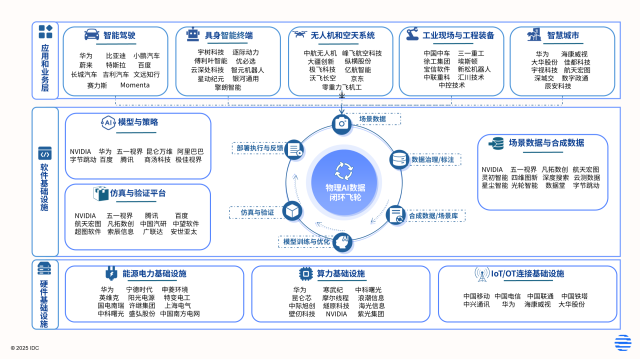
It has been just over a week since Chinese New Year 2026 and the impact of this year’s robotic display still lingers in my mind.

For those who have not already seen it, the performances stole the CNY limelight, featuring humanoid robots executing jaw-dropping feats such as somersaults and nunchaku routines—blending traditional culture with cutting-edge robotics and AI technology.

I could not help but imagine that if these robots were dressed in full traditional attire and masks, I would be hard-pressed to distinguish them from human performers.

These viral displays highlight China’s growing dominance in robotics, from AI-driven humanoids to industrial robots, signalling a significant leap in automation that is  reshaping industries worldwide.

The tech enthusiast in me—as I’m sure many of you can relate—began wondering about the engineering and infrastructure puzzle pieces that made this possible.

What Powered the CNY 2026 Robot Performance?

Infrastructure Considerations

  • Physical Hardware – The cost-effective materials and scalable mass production capabilities required to design robots capable of such performance suggest clear pathways toward real-world consumer and industrial applications.
  • Compute Power: CPUs, GPUs, and AI Acceleration- Deploying these robots require edge computing hubs, high performance processors, AI accelerators, and potentially cloud-based large language models (LLM) integration. This enables real-time vision processing, path planning, environmental perception, and precise motion control, allowing the robots to perform complex and dynamic movements with high synchronization accuracy
  • Network Infrastructure – The underlying high-speed backbone network facilitates real-time command, control, and data-transmission—essential for large-scale synchronized robotic choreography. Localized 5G-A networks likely played a key role in minimizing latency and enhancing responsiveness
  • Digital Platforms – Software platforms enable seamless integration, centralized control, developer customization, and system scalability, allowing robotic systems to be adapted across multiple industries and use cases.

Sovereignty Considerations

Balancing rapid high-tech adoption requires data localisation policies, cybersecurity safeguards, and protection of critical infrastructure components to ensure operational resilience and national autonomy.

Who Built the Robots Behind the CNY 2026 Show?

The company behind the spectacle is Chinese robotics startup Unitree Robotics, founded in 2016. Unitree has often been compared to Boston Dynamics, but with a significantly more affordable pricing model—much like Deepseek’s positioning relative to ChatGPT.

For example, Unitree’s R1 robot starts at approximately USD 5,000, utilizing cost effective hardware while supporting modular LLMs that allow developers greater customization and experimentation.

In addition, the system platform is open-source, enabling distributed training, custom model development, and seamless deployment with support for major open-source frameworks. In 2025, the company announced that users could further customise and control robots via a mobile application. In a world where most individuals own at least one smart device, the primary limitation becomes creativity rather than accessibility.

What Hardware Do These Robots Run On?

The robots run on high-performance computing module featuring 8-core CPU and integrated GPU. Newer models offer integration with NVIDIA Jetson Orin models, delivering AI performance up to 275 TOPS (trillions of operations per second).

For Terminator fans, it may be reassuring to know that—at least for now—battery limitations mean these robots operate for 1-2 hours before requiring charging.

Note: The G1 robots featured in the CNY show are more advanced models and may have enhanced performance specifications.

How Were the Robots Coordinated?

The robots relied on cluster-performance technology, enabling synchronized group movement. Onboard sensors provided real-time environmental perception, supported by localised 5G-A networks. However, while the robots were physically autonomous in movement, they were largely pre-programmed and choreographed for the specific event rather than operating with full independent agency.

Implications for Infrastructure and Sovereignty: Infrastructure Control & Autonomy

The shift to software-defined, centralized robotics platforms means that manufacturing, logistics, and operational infrastructure increasingly depends on digital orchestration layers and ecosystem partnerships. Whoever governs these platforms–whether vendors, hyperscalers, or local integrators–can significantly influence operational autonomy, resilience, and long-term competitiveness.

Regional adoption of integrated execution platforms—particularly in Asia Pacific’s push for industrial embodied AI–signals a move toward locally governed infrastructure ecosystems, reducing dependency on foreign technology stacks. In Asia/Pacific, local partnerships are becoming essential to accelerating innovation while protecting data sovereignty and regulatory compliance.

Final Reflections

Reflecting on China’s CNY 2026 robotic spectacle, I was struck not only by the technical brilliance and seamless choreography, but by how it exemplifies the convergence of affordable, high-performance robotics infrastructure and strategic technological self-reliance. The future of automation is not just about building smarter robots—it is about who controls the orchestration layers, data flow, compute infrastructure, and platform ecosystems behind them.

What’s your take on balancing innovation and digital independence?

Interested to learn more? Talk to us.

Franco Chiam - Vice President - IDC

Franco Chiam is the vice president for IDC's Asia/Pacific (excluding Japan) Cloud, Datacenter, Telecommunication, and Infrastructure Research Group. He manages and shapes the above domains' offerings to IDC clients, which include cloud and infrastructure surveys, market analysis and perspective, speaking engagements, and executive briefings. In the ever-evolving landscape of technologies, the pillars of cloud computing, datacenters, and telecommunication have emerged as the driving forces behind our interconnected world. As these domains continue to shape the future of infrastructure, their integration and advancement play a crucial role for the foreseeable future.

In December 2025, we published our analysis of the global memory shortage crisis and its potential impact on the PC and smartphone markets heading into 2026. At that time, we outlined two negative-impact scenarios, ranging from low single-digit to high single-digit market declines. This week, IDC released updated forecasts for both the worldwide PC and mobile phone markets, and the outlook has become significantly worse. The current situation is now more negative than even our most pessimistic scenarios suggested just a few months ago.

The market pull-forward

As concerns about DRAM and NAND pricing escalated in late 2025, vendors across both the PC and smartphone categories moved aggressively to get ahead of the problem. Shipments ramped significantly in the fourth quarter of 2025, as noted in our recent press releases on Q4 2025 PC historical shipment data and mobile phone historical shipment data. These elevated levels have continued into the first quarter of 2026 for the PC market, as OEMs rush to ship products before memory and storage price increases take full effect. The result is that we now expect Q1 2026, which ends in March, to come in significantly higher than our November forecasts for PCs.  For smartphones, the situation is exasperated, with Q1 2026 forecast to decline 6.8%As memory prices climb and some vendors, particularly smaller ones, struggle to secure and/or pay for adequate supply, we expect unit volumes to fall off dramatically beginning in the second quarter. Average selling prices (ASPs) will rise, but volume demand will weaken in response. The net effect will be negative year-over-year unit growth for the full year, even as the revenue picture looks deceptively stable due to inflated ASPs.

For PCs, we are now forecasting the worldwide market to decline by 11.3% in 2026, while revenues grow 1.6% due to increased ASPs. Our current forecast shows the market flattening in 2027, with a rebound now pushed out to 2028. The smartphone market looks even more dire, as we’re currently forecasting the worldwide market to decline by 12.9% in 2026, with revenues declining slightly by 0.5%. We expect 2027 to see a modest 1.9% growth for smartphones, with a stronger 5.2% rebound in 2028.

IDC expects the memory supply challenges to persist throughout 2026 and likely well into 2027. While we do anticipate that the rate of memory price acceleration will slow in the second half of this year, prices will continue to rise and remain elevated. Based on current assumptions, our model does not point to a reversion to 2025 pricing levels within the forecast horizon.  The structural dynamics driving the shortage, surging AI infrastructure demand competing with consumer device needs for the same DRAM and NAND capacity, remain firmly in place. There may be some relief as memory capacity buildouts increase and smaller memory suppliers in China come into play.  However, we do not expect it to offset the shortage in a meaningful way and change the trajectory of the crisis.

The downstream consequences of the crisis are becoming clearer and will reshape competitive dynamics in the PC and smartphone markets described here, as well as in other device markets such as tablets, XR headsets, wearables, and gaming consoles.

Share shifts favoring larger vendors

Companies with greater purchasing power, stronger supplier relationships, and the ability to commit to large-volume contracts will be better positioned to secure memory allocations at high, but more manageable prices. Smaller and regional vendors, already operating on thinner margins, will find it increasingly difficult to compete for supply. We expect meaningful market share shifts in favor of the largest global OEMs over the course of 2026.

We also expect vendors to begin shipping some new devices with less memory than consumers have grown accustomed to. Rather than absorbing the full cost of higher-priced memory, some OEMs will opt to reduce average DRAM and NAND configurations in their products. A phone that might have shipped with 12GB of RAM and 256GB of storage a year ago may now debut with 8GB of RAM and 128GB of storage at the same price point, or worse. The same dynamic will play out in PCs, where base configurations could see meaningful reductions in RAM and SSD capacity.

The lower end of both markets will bear the brunt of the impact. Budget smartphones and entry-level PCs operate on razor-thin margins, leaving vendors with little room to absorb price increases. The math simply does not work for a $150 smartphone or a $400 laptop when memory costs surge by double and even triple digit percentages quarter over quarter. Many vendors will either exit price points entirely or deliver products with specifications that are noticeably degraded, at likely higher prices. For consumers and small businesses already sensitive to pricing, this will push many to delay planned device purchases, extending replacement cycles and further depressing unit volumes.

For the smartphone market, the implications are especially severe. Last year, more than 360 million smartphones shipped below $150, representing a substantial share of global volumes, with that proportion rising in key emerging markets like Africa and India, to nearly 60% and 30%.  As rising memory costs render this price band economically unsustainable, the industry faces a reversal of a decade long trend in which consumers consistently received smartphones with better specifications at lower prices. Most low‑end–focused OEMs plan to defend share by cutting specifications or shifting volume above $200, but demand in that range remains limited across emerging markets, making it impossible to sustain current shipments. They will also face stronger competition from established brands at higher tiers, further limiting their ability to preserve volume and share.  As a result, we expect a significant reduction of Total Addressable Market (TAM) through the current forecast period and a consolidation of the competitive landscape. Meanwhile, demand for budget smartphones will persist, pushing price‑sensitive consumers to either extend device lifecycles or turn to affordable used smartphones, where adoption is already accelerating.  Consumers in some emerging markets could even revert to feature phones, reversing smartphone penetration gains as ultra-low end smartphones below $50 cease to exist.  In short, the smartphone market is headed for a structural reset, in size, product mix, and competitive landscape.

The memory mix-down trend is particularly concerning for the AI PC category. Despite heavy marketing investment and the integration of dedicated Neural Processing Units (NPUs), AI PCs have so far failed to deliver on the transformative capabilities promised to consumers and enterprise buyers. The use cases remain narrow, and the software ecosystem has not kept pace with the hardware. Now, just as the industry needs to build a more compelling AI story around the PC, the memory crisis threatens to undermine the foundation required to do so. Local AI workloads, including the vision of the PC at the center of an Agentic AI future capable of managing and coordinating multiple AI tasks on behalf of the user, are inherently memory intensive. Shipping systems with less RAM does more than just limit today’s AI capabilities. It constrains the potential of these devices to run local models, manage context windows, and handle the data throughput that meaningful on-device AI will demand.

Tariff uncertainty adds another layer of risk

The policy environment is adding its own volatility. Last week, the U.S. Supreme Court struck down the broad reciprocal tariff regime imposed by the Trump administration, ruling that the executive authority exercised exceeded its statutory scope. The administration has since moved to levy a 10% across-the-board tariff on imports using alternative legal authority, and is working to raise it to 15.

For the device industry, this creates deep uncertainty. A 15% tariff on finished goods and components layers additional cost pressure on top of already-inflated memory prices. Vendors cannot plan pricing, sourcing, or inventory strategies with any confidence. Some costs will be passed through to consumers, compounding affordability challenges. Others will be absorbed by vendors and channel partners, further compressing margins.

Buckle up

The bottom line is that 2026 is shaping up to be another challenging year for the PC and smartphone markets. The confluence of a deepening memory supply crisis, aggressive pull-forward activity that has front-loaded volumes, rising ASPs that will suppress unit growth, and a volatile trade policy landscape makes precision forecasting extraordinarily difficult. Organizations across the value chain, from semiconductor suppliers to device OEMs to channel partners and enterprise buyers, should be planning for sustained turbulence. This is not a one-quarter disruption. It is a structural shift that will define the device market narrative well into 2027.

Nabila Popal - Sr. Director, Data & Analytics - IDC

Nabila Popal is Senor Director with IDC's Data & Analytics team, specializing in Mobile Phones, PC Monitors and other consumer devices. Ms. Popal is responsible for the global research and quality and timely delivery for her respective technologies, coordinating with regional and worldwide research teams. She continuously engages with global vendors and key market players to discuss the latest industry trends and dynamics. Ms. Popal is also responsible for future product planning and evolution whilst managing client relationships and providing thought leadership and executing custom engagements. She also manages communications with the media and is often published in leading local and international media outlets. Ms. Popal has been with IDC since 2013, and prior to her role with the Worldwide team, she was with IDC MEA, leading the research for Middle East, Africa, and Turkey, based out of Dubai, UAE.

Ryan Reith - Group Vice President, WW Device Trackers - IDC

Ryan Reith is the Group Vice President for IDC's Worldwide Device Tracker suite, which includes mobile phones, tablets, wearables, and most recently AR/VR. His teams research focuses on the quantitative aspects of the mobile device industry, including market sizing, forecasting, vendor market share analysis, and technology trends. His current responsibilities include engaging with mobile device OEMs, supply chain, distributors, and the financial industry to discuss market trends and forward looking analysis.

Jeff Janukowicz - Research Vice President, Solid State Drives and Enabling Technologies - IDC

Jeff Janukowicz is a Research Vice President at IDC where he provides insight and analysis on the SSD market for the Client PC, Enterprise Data Center, and Cloud market segments. In this role, Jeff provides expert opinion, in-depth market research, and strategic analysis on the dynamics, trends, and opportunities facing the industry. His research includes market forecasts, market share reports, and technology trends of clients, investor, suppliers, and manufacturers.

Tom Mainelli - Group Vice President - IDC

Tom Mainelli heads the Device & Consumer Research Group, overseeing a wide array of hardware and technology categories that cater to both home and enterprise markets. His team's research spans PCs, tablets, smartphones, wearables, smart home devices, thin clients, displays, and virtual/augmented reality headsets. He also co-manages IDC's supply-side research team, which monitors display and ODM production across various categories. IDC's consumer research, anchored by the Consumer Market Model, employs regular surveys and proprietary models to forecast numerous consumer-focused activities and spending across hardware, software, and services. As Group Vice President, Tom collaborates closely with company representatives, industry contacts, and other IDC analysts to provide comprehensive insights and analysis on a diverse range of commercial and consumer topics. A frequent speaker at public events, he travels extensively, enjoying every opportunity to engage with colleagues and clients worldwide.

Francisco Jeronimo - Vice President, Data & Analytics - Devices - IDC

Francisco Jeronimo is VP for Data and Analytics at IDC EMEA. Based in London, he leads the research that covers mobile devices, personal computing devices, emerging technologies and the circular economy trends across EMEA. His team delivers data on personal computers, tablets, smartphones, wearables, PC monitors, PC gaming, enterprise Thin Client devices, smart home, augmented reality and virtual reality, and sales of used devices. He provides in-depth analysis of the strategies and performance of the key industry players.

Bryan Ma - Vice President - IDC

Bryan Ma is Vice President of Client Devices research, covering mobile phones, tablets, PCs, AR/VR headsets, wearables, thin clients, and monitors across Asia as well as worldwide. Based in Singapore, Bryan provides insights and advisory services for both vendors and users, and coordinates his team of analysts in building IDC's core market data, analysis, and forecasts in these sectors. Bryan has been quoted in a number of publications, including The Wall Street Journal, The Economist, The Financial Times, BusinessWeek, The South China Morning Post, and The New York Times. He has been a featured speaker at numerous industry conferences and appears frequently as a guest commentator on television networks such as CNBC, Bloomberg, and the BBC.

Recent tariff developments are adding cost pressure and uncertainty across global technology supply chains.

In a recent discussion, IDC’s Simon Ellis, Group Vice President of Manufacturing and Supply Chain, and Phil Solis, Research Director of Connectivity and Smartphone Semiconductors, assess what the latest tariff developments mean for pricing, manufacturing strategy, and long-term investment decisions across the technology ecosystem.

Uncertainty is the immediate business challenge

While the Supreme Court ruled that certain prior tariffs were not legal, new tariffs are now being implemented. As a result, cost exposure remains, and the broader issue for many organizations is unpredictability.

“There just isn’t a lot of clarity around these things. What is true on a Monday is no longer true on a Tuesday. It’s hard to know what the right thing to do is because many of the structural things that companies have to do don’t take minutes or hours or days or even weeks. They can take months or even years.”

Simon Ellis, Group Vice President, IDC

For manufacturers and supply chain leaders, structural decisions such as facility investments, sourcing changes, or regional expansion are made on multi-year horizons. When policy direction shifts quickly, organizations must weigh whether to proceed, delay, or absorb incremental risk.

Pricing discipline in a volatile environment

Tariff exposure is layered on top of other cost pressures, including rising memory prices that affect smartphones, PCs, and servers.

“Assuming that these tariffs are in place for some time to come, they will leave their prices higher to account for that. It’s harder to lower prices and then re-raise them. It’s just too chaotic.”

Phil Solis, Research Director, IDC

Pricing decisions are not made lightly. When structural costs increase, prices typically follow. When costs decline, prices do not always adjust at the same pace. In an environment where additional tariffs may persist, companies are cautious about lowering prices only to reverse course later.

Cross-border complexity and tariff stacking

Modern technology products often cross borders multiple times before reaching the end customer. A semiconductor may be imported, incorporated into a module, integrated into a subsystem, and ultimately assembled into a finished product.

Each stage can introduce additional cost exposure. This stacking effect can compound pricing pressure across the value chain.

For organizations operating complex global supply networks, tracking and tracing components across jurisdictions becomes increasingly important for cost management and compliance.

Balancing efficiency and resilience

Since the pandemic, companies have navigated a persistent tension between supply chain efficiency and resilience. Tariffs represent another disruption that must be incorporated into that balance.

Increasing resilience through multi-sourcing or excess capacity can reduce risk. However, those strategies carry additional cost. Technology leaders must determine where flexibility is essential and where efficiency remains the priority.

Navigating the next move

Major manufacturing and infrastructure decisions are often made with ten- or twenty-year horizons. In a short-term policy environment marked by volatility, long-term planning becomes more complex.

For technology vendors, manufacturers, and enterprise buyers alike, the central challenge is maintaining disciplined decision-making amid continued uncertainty.

Watch the full conversation above for IDC’s detailed perspective on how these developments may shape the technology market in the months ahead.

In the early 2020s, most IT dashboards looked deliciously green – until you cut them open. That “watermelon problem” summed up the gap between what SLAs said and how people actually felt at work: 99.8% uptime on paper, but slow logons, clunky multi-factor authentication, and chatbots that couldn’t understand what anyone really wanted. Experience was an afterthought, AI was a sideshow, and creativity was nowhere to be found in the contract.​

When SLAs ruled the world

Back then, three things defined the status quo. AI was narrow and local, sitting on the edge of workflows answering FAQs or routing tickets rather than orchestrating work. Experience measurement lagged reality, with annual or quarterly surveys surfacing issues long after the damage was done. And creativity simply didn’t exist in the metrics; contracts cared about uptime, not whether people had the cognitive space to experiment or innovate.​

The result was a strange split-screen. On one side, leaders proudly cited their SLA success. On the other, employees wrestled with friction that didn’t fit any KPI: context-switching between tools, re-entering the same data, and watching “helpful” chatbots miss the point. XLAs were occasionally piloted  (an NPS here, a satisfaction score there) but rarely changed actual design or investment decisions.​

Now: XLAs as control towers for human-AI work

Fast forward to 2026, and AI is no longer the sidekick; it is the backbone of digital work. GenAI assistants, low-code agents, and orchestration platforms now sit inside service desks, digital workplace platforms, and line-of-business apps. XLAs have emerged as the language that decides whether all this AI is genuinely helping humans do better work or just adding more noise.​

Three big shifts define the “now.” Agentic AI makes XLAs real-time and contextual, correlating technical signals like latency and crashes with human signals such as sentiment, task completion, and time to productivity. It can trigger automated remediation, from self-healing endpoints to conversational agents that guide users through fixes, and spotlight experience hotspots for specific personas or workflows. IDC’s 2025 Future of Work survey shows 79% of organizations now actively measure the relationship between employee and customer experience, with two-thirds having proof of causal linkages, while 94% of AI-enabled work adopters report productivity gains and over half see significant improvements.​

Making creativity a measurable outcome

The most interesting XLAs no longer treat creativity as a fuzzy aspiration. They track uninterrupted focus time per persona, link AI automation to freed-up hours, and measure innovation throughput:  ideas submitted, prototypes built, experiments completed. Instead of only asking if AI is fast or accurate, organizations track “human-plus” metrics: how much better decisions, proposals, and options become when humans and AI work together.​

Governance grows up

This evolution is forcing governance structures to grow up fast. AI-focused Centers of Excellence increasingly use XLA dashboards as strategic instruments, challenging deployments that look great on technical metrics but poor on human outcomes. They prioritize changes that build trust and agency, such as better explainability, robust feedback loops, and human override capabilities, and retire tools that consistently score badly on ease of use or learning curve.​

Metrics are diversifying accordingly: about 69% of organizations use productivity scores such as task-based speed and throughput to assess AI, while 42% also track employee satisfaction and 44% monitor skills proficiency. XLAs have become a proxy for hard questions: Are we making it easier for people to solve novel problems? Are AI tools empowering experts or boxing them in? Where is digital friction quietly killing initiative?​

Tomorrow: XLAs as the OS for co-creation

Looking ahead, XLAs are set to become the operating system for human/AI co-creation. Emerging “experience-risk” indices predict burnout or disengagement, while creativity capacity scores combine focus time, use of exploratory tools, and psychological safety indicators. Agentic AI will increasingly use XLAs as experience-intent parameters  – goals like maximizing focus time for data scientists or ensuring frontline staff resolve most issues in under three minutes  – and autonomously orchestrate tools, notifications, and workflows to hit them.​

Contracts will catch up too, moving from green dashboards to models that reward innovation, protect against “experience debt,” and explicitly safeguard time and cognitive bandwidth for meaningful work. For service providers, the mandate is clear: anchor XLAs on outcomes only humans can deliver, make creativity visible on the dashboard, build strong feedback loops, and use XLAs as guardrails against over-automation. XLAs are no longer just a friendlier way to measure IT; they are becoming the central platform for keeping human potential at the center of an AI-driven future of work.

For more information see IDCs upcoming research documents: “Measuring What Matters: XLAs and the 2026 Digital Workplace” and “Control Towers for Human Potential: The Growing Importance of XLAs in the Age of Agentic AI”.

If you have a question about this or any other IDC research, drop it in here.

Meike Escherich - Associate Research Director, European Future of Work - IDC

Meike Escherich is an associate research director with IDC's European Future of Work practice, based in the UK. In this role, she provides coverage of key technology trends across the Future of Work, specializing in how to enable and foster teamwork in a flexible work environment. Her research looks at how technologies influence workers' skills and behaviors, organizational culture, worker experience and how the workspace itself is enabling the future enterprise.

Worldwide tablet shipments grew 1.9% year over year in 4Q25, reaching 40.9 million units, according to IDC’s Worldwide Quarterly Personal Computing Device Tracker.

For full-year 2025, shipments increased 5% year over year to 151.9 million units, reflecting sustained replacement demand earlier in the year, strategic portfolio refreshes, subsidy-driven sales in the PRC, and education-led deployments across regions.

While replacement-driven growth tapered in the second half, seasonal promotions, particularly from premium vendors, helped stabilize the market heading into 2026.

What drove tablet market growth in 4Q25?

Several factors supported growth in the quarter:

1. Seasonal promotions from premium vendors

Holiday discounting—particularly across Apple’s portfolio—stimulated volume during peak promotional periods.

2. Education and government projects

Institutional deployments provided pockets of resilience, especially in APJ and Europe, partially offsetting softer retail momentum.

3. Shipment pull-forward ahead of 2026 memory constraints

Vendors and channel partners accelerated shipments in anticipation of expected memory supply tightness and pricing pressure in 2026.

The result: modest but meaningful year-over-year expansion despite a more cautious consumer environment.

Vendor performance: Market share and momentum

Apple maintains leadership

Apple shipped 17.1 million units in 4Q25, capturing 41.9% market share and delivering 8% year-over-year growth.

Entry-level iPads accounted for nearly 52% of Apple’s quarterly sales, with additional support from iPad Air 2024 and refreshed iPad Pro models.

Samsung faces share pressure

Samsung retained the #2 position with 6.4 million shipments but declined 7.5% year over year, reflecting competitive promotional intensity.

Lenovo expands in EMEA and PRC

Lenovo delivered 35.3% year-over-year growth, shipping 3.9 million units and benefiting from XiaoxinPad and Y700 performance in the PRC.

Xiaomi and Huawei navigate PRC subsidy tightening

Both vendors experienced subsidy-related softness domestically but offset pressure with regional expansion. Xiaomi grew 15.8% year over year, while Huawei rose 4.9%.

Full-year 2025 outlook: Replacement wave normalizes

The tablet market began 2025 supported by a post-pandemic replacement cycle. As the year progressed, that demand moderated, resulting in more measured growth in the second half.

According to IDC:

The 2025 tablet market began the year supported by a wave of replacement demand… However, as the year progressed, replacement-driven demand gradually tapered, leading to more measured growth in the second half of 2025.

With 151.9 million units shipped in 2025, the market closed the year on more normalized footing.

What this means for 2026

As the industry moves into 2026, three dynamics will shape performance:

  • Anticipated memory supply constraints
  • Inventory planning adjustments
  • Heightened competitive pricing strategies

Vendors that balance innovation, cost discipline, and promotional execution will be best positioned to defend share in a more stabilized demand environment.

Why this matters for technology suppliers and buyers

For suppliers, the data reinforces the importance of:

  • Portfolio refresh timing
  • Channel strategy discipline
  • Regional demand diversification

For buyers, the moderation of replacement demand suggests:

  • Longer lifecycle planning
  • Increased pricing sensitivity
  • Strategic timing of procurement cycles

IDC’s market intelligence helps both sides navigate these shifts with confidence.

Anuroopa Nataraj - Research Analyst, Worldwide Tablet Tracker - IDC

Anuroopa Nataraj is a Research Analyst for IDC's Worldwide Tablet Tracker. Her team's research focuses on the quantitative aspects of the Tablet industry, including market sizing, forecasting, vendor market share analysis, and technology trends.

Growth creates momentum, but it also introduces pressure. 

For technology vendors scaling quickly, the decision to enter new markets or move upmarket often arrives earlier than expected. Boards want evidence of expansion. Investors look for signals of long-term opportunity. Leadership teams feel the urgency to act. In that environment, go-to-market decisions carry more weight and less margin for error. 

IDC analyst Roger Beharry Lall sees this moment frequently. In one recent engagement, a high-growth marketing technology company faced a familiar challenge: how to expand from an SMB-focused business into the enterprise market without losing the foundation that made its growth possible. 

The challenge of moving upmarket 

The organization understood that change was necessary. Growth expectations made that clear. The open question was how to evolve its go-to-market approach in a way that translated existing strengths into enterprise relevance. 

This was not a matter of rebuilding the product or abandoning its core market. It was about understanding how current capabilities should be positioned differently, which buyers actually mattered in the enterprise segment, and where the company’s value would resonate most. 

That kind of clarity is difficult to achieve internally, especially when teams are moving quickly and interpreting market signals in different ways. 

Why this moment mattered

For fast-growing vendors, go-to-market shifts are not abstract strategy exercises. They are closely tied to credibility, momentum, and long-term growth narratives. 

Leadership teams are often under pressure to demonstrate progress into new markets through launches, positioning changes, or expanded offerings. That pressure can compress decision timelines and increase the risk of moving forward without a shared understanding of where demand actually exists. 

IDC frequently works with organizations at this stage. Expansion into enterprise or adjacent segments is common, but success depends on identifying the right subsegments, personas, and verticals rather than treating the market as a single opportunity. 

The risk of getting a go-to-market pivot wrong

The most significant risk in a go-to-market pivot is not missing the new opportunity. It is weakening the business that already works. 

Organizations can lose focus on their anchor revenue if new positioning creates confusion or dilutes the value customers already recognize. Growth initiatives that are not grounded in market reality can introduce friction rather than acceleration.

In this engagement, a critical priority was ensuring that enterprise positioning did not undermine existing strengths. The work focused on translating what the company already did well into a new context, rather than redefining the business altogether. 

This balance is often where go-to-market strategies struggle, particularly under time pressure. 

When internal alignment slows progress 

In high-risk go-to-market pivots like this, internal alignment becomes just as important as identifying the right market opportunity. 

Although the decision to move upmarket had been made and early traction existed, progress stalled for a different reason. 

Teams across marketing, product, executive leadership, and the board did not share a consistent understanding of what the enterprise market required. Assumptions varied, priorities differed, and discussions lacked a common reference point.

This situation is common. Without an external source of validation, internal conversations can circle without resolution. The issue is not disagreement about goals, but uncertainty about how to move forward with confidence. 

Shifting from assumptions to validation 

The engagement with IDC evolved as the organization’s needs became clearer. Rather than relying on a predefined approach, the work focused on bringing together existing research, market data, and analyst interpretation. 

What mattered most was not the volume of information, but the ability to contextualize it. Insights drawn from extensive end-user conversations helped clarify what enterprise readiness actually required, where expectations differed from assumptions, and which paths introduced unnecessary risk. 

This shift allowed the organization to move from analysis into decision-making. 

How the organization engaged with insight 

What mattered next was not just the insight itself, but how the organization chose to work with it. 

One of the strongest indicators of progress was how the organization engaged with the insights themselves. 

The teams did not accept findings at face value. They challenged conclusions, asked questions, and worked through implications together. That interaction helped turn data into understanding and understanding into action.

As a result, insights became inputs for leadership discussions rather than static outputs. 

What changed in how decisions were made 

As shared understanding improved, decision-making became more efficient. 

The organization was able to align internally on priorities, refine target segments, adjust messaging, and focus roadmap discussions. Board-level conversations shifted from whether to move forward to how best to do so. 

Confidence came from alignment, not from certainty about outcomes. 

Early signals that mattered 

While it was still early to measure full market impact, initial signals showed that the strategy was taking hold. 

Messaging and positioning were reworked. Channels were reprioritized. Roadmap considerations, particularly around compliance, became more central to planning and communication. These were meaningful changes that reflected a deeper understanding of enterprise buying dynamics. 

They also indicated that the strategy was being operationalized, not just discussed. 

A takeaway for leaders rethinking go-to-market strategy 

For leaders facing similar decisions, the lesson is clear. 

Speed alone does not create momentum. Alignment does. Independent validation helps organizations move forward with shared understanding, reduce internal friction, and make decisions that hold up under pressure. 

When growth depends on getting go-to-market right, assumptions are rarely sufficient. Market truth provides the foundation for confident execution.