The IDC Retail Insights Team joined attendees from technology and retail companies at Javits Convention Center in New York City for NRF 2024: Retail’s Big Show. The event, which took place from January 14 through January 16, saw 40,000+ attendees, topping the over 30,000 visitors of last year’s edition.

At the show, we engaged in 200+ meetings with technology vendors to learn more about their offerings and discuss the latest trends in retail technology. The theme of operational efficiency and the focus on use cases and technologies that generate return on investment (ROI) permeated the discussions we had with delegates.

Some of the key points gathered during our conversations include:

  • “Sensible” approach to Generative AI applications: We were expecting a lot of conversations around Generative AI (Gen AI) this year. We weren’t disappointed. But the approach taken by tech vendors and retailers focused on use cases that generate ROIs and provide value to customers, rather than on the application of the technology per se.

For example, leveraging Gen AI to build content for coding, to create and enrich product descriptions, for content supply chain, for product reviews, etc., came out regularly in our conversations with vendors when asked what retailers are looking at in terms of Gen AI applications.

  • AI-driven organizational changes: Challenges related to the implementation of Gen AI were also touched. One vendor said that this year is going to be the year of the proliferation of Gen AI models, and retailers will need guidance from vendors. Managing and cleaning data that feeds into Gen AI is also another challenge retailers face.

Also, change management is to become key in organizations expanding Gen AI applications. The technology is likely to augment, rather than replace, employees, but require a cultural change within organizations.

  • AI-driven changes in consumer dynamics: Related to AI, discussions around generative search and contextual buying were fascinating. This approach brings a systemic change in the way shoppers search for products online, moving away from searching by single products to searching by context.

For example, instead of looking for specific grocery items, shoppers will be able to ask the search engine to come up with a list of items they can buy if they want to put together a healthy meal for the family based on the available budget. AI also brings increased customer experience personalization, such as in pricing and promotions, enabling brands and retailers to offer bespoke discounts and product recommendations to shoppers based on their personal preferences and the status of the customer journey.

  • Values-driven customer data and loyalty: In today’s cookiesless era, data is the golden reserve of every brand and retailer. For this reason, retaining and increasing loyalty and loyal customers is a critical priority of customer experience.

Loyalty is intrinsically driven by trust and contextual personalization and results in customer lifetime value and customer satisfaction. Thus, retailers and brands are offering to customers multi-loyalty programs, and as we predict, this is expected to involve 40% of retailers globally over the next two years.

By launching multi-loyalty programs, retailers can offer multi-level/membership to customers, who can improve their status to “VIP/exclusive” stages, accessing personalized experiences. At the same time, retailers can be a partner ecosystem enabler of loyalty, where customers can accrue and redeem reward points across sectors (from hotels and shopping malls to grocery stores and fuel stations).

  • The evolution of the physical store: Far from being anything new, but the physical store remains central in Retail. According to our research, more than 60% of retail revenues are generated via the physical store in 2023. The focus at NRF was on how to augment the role of the physical store, enhancing a frictionless shopping experience, increasing its efficiencies, and integrating with the digital shopping journey.

Unsurprisingly, AI was front and centre in the conversations related to the store, with applications including computer vision for faster and more efficient item recognition and pricing at self-checkouts, and for shrinkage prevention and traffic and customer behaviour analytics.

But a less expected, big comeback this year was the RFID technology, as its application has become economically viable in subsegments including apparel and fashion retail, enabling seamless scanning and payment for items at self-checkout or through cashierless scan-and-go, easier in-store returns and more effective loss and shrinkage prevention.     

  • Commerce platforms become unified: the theme of composability was unsurprisingly front and centre of our conversations on commerce platforms with technology vendors. Some 77% of retailers describe their commerce architecture as composable, according to our research.

Composability offers key advantages including greater flexibility, customization, and scalability, making it the preferred choice for many brands and retailers that need the ability to continuously respond to today’s fast-evolving market. Platform providers stress the importance of composable platforms to enable integration with partners’ services.

One recurring theme this year was the expansion of channel-less capabilities of digital commerce platforms, as many vendors highlighted their plans to expand capabilities including mobile POS apps or facilitate integrations with partners that provide POS. This signals how the persistent importance of the physical store noted above is also shaping the modernization and consolidation of applications and solutions into a unique platform, conceived to serve the rapid growth of digital commerce in recent years. 

  • Alternative approaches to returns: Many of our conversations with attendees revolved around the issue of returns. One of the greatest challenges in today’s omnichannel retail is to effectively manage the last mile, both for order fulfilment and returns.

The approach that we saw emerging in the conversation with technology vendors revolved around the need for retailers to limit the need for returns, on top of making those that occur the most efficient and frictionless as possible. For example, leveraging Gen AI to enhance product description reduces the likelihood of shoppers returning items as they receive something that doesn’t match their expectations.

Another approach we saw was the “weaponization” of returns, that is the use of returns as an occasion to create better engagement with shoppers and upsell, for instance by enabling shoppers to trade in unwanted items for credits to buy something else, facilitating a seamless re-commerce cycle.

Another approach to ease the impact of returns on retail operations is the personalization of returns, that is offering better return terms to valuable shoppers. For example, brands and retailers—particularly in segments selling high-value items such as luxury goods—partner with rapid delivery services to offer rapid returns to high-value customers.

  • Expansion of the marketplace: The marketplace model is gaining momentum. Over 23% of retailers’ revenue was generated by digital channels including marketplaces in 2023. But the trend is not limited to retail.

In a few conversations at NRF, it was interesting to see the growth of marketplaces outside retail B2C to offer one-stop-shop experiences to customers in finance, travel, B2B, etc., as more companies outside retail turn to technology providers and consultants to expand their offering through the channel, and to gather intelligence on what items and services, including those offered by partners, sell best.


NRF 2024 was a great opportunity to engage with technology vendors and learn about the latest trends in retail technology. The key message emerging from the event is that retailers need to continuously embrace change to stay ahead of the competition, but they need to do so by ensuring that efficiency and profitability are safeguarded and enhanced.

What we highlighted above, including the focus on Gen AI that generates ROIs, AI-driven changes in organizations and consumer dynamics, the creative approaches to returns, and the developments in physical and digital commerce, are just a few of the many trends that are shaping the future of retail. Brands and retailers should take note of these trends and consider how they can leverage them to improve their businesses, start exploring these trends, and experiment with different use cases and technologies to stay ahead of the curve.

If you want to know more, please reach us out at fbattaini@idc.com or ourso@idc.com.

Strong Headwinds Disrupting the Built Environment Industries

The built environment sector is often seen as a laggard in productivity and technology adoption. However, this is changing: the strong headwinds of the last few years have forced companies to evolve and innovate.

The pandemic led to widespread supply chain shocks felt acutely by the construction sector and with geopolitical tensions increasing, including in the Red Sea, this issue is here to stay. Covid-19 also led to one of the largest shake ups in the real estate industry with significant drops in office occupancy rates in the move back to hybrid work.

While occupancy rates are recovering, they are not expected to return to pre-pandemic levels. Add to this potent mix, the energy crisis and increasing ESG targets and regulatory requirements.

PropTech Companies Are Injecting Innovation

Property technology (PropTech) companies are injecting much-needed innovation into the industry and driving significant changes across building life cycles from design to construction, operation, maintenance, and demolition. We have published a PropTech Innovator Report highlighting 3 Innovate companies that are providing transformative solutions across the built environment sector.

In line with the AI era,  which IDC refers to as to as AI Everywhere, each Innovator highlighted in the report is leveraging AI in their solutions.

Our research highlights that the top priorities for built environment executives are improving operational efficiency and cost reduction, enhancing environmental sustainability and improving resilience to climatic hazards. Organizations are increasingly applying technology to help support these business objectives.

For example, to meet their sustainability goals, 66% of real estate companies are investing in data and analytics including AI, and 61% are investing in space and workplace technology (IDC’s Sustainable Buildings, Homes, and Districts Survey, 2023, n = 654).

Announcing IDC’s “Worldwide PropTech Innovators, 2023”

The PropTech companies highlighted in the Innovator span the building lifecycle and reflect the diverse range of companies encapsulated in this market. The first innovator — nPlan — is changing the way in which major projects can be planned, designed, and monitored through an AI-enabled software solution drawing on over 750,000 project schedules. The second — Skandal — is providing IoT driven lighting displays that respond to building inhabitants to improve occupant experience and promote behavioral change. Finally, Xandar Kardian’s solution monitors occupant motion through the innovative use of radar technology and can also monitor resting heart rate and respiratory rate for applications in health and social care facilities.

IDC is developing further Innovator reports focused on innovation in the built environment so please get in contact if you are an SME and meet the eligibility criteria – jdignan@idc.com lbarker@idc.com

You may also be interested in:

Louisa Barker - Senior Research Manager, IDC Government Insights, Europe - IDC

Louisa Barker is a senior research manager in the European IDC Government Insights team, leading research on smart, sustainable, and resilient cities and communities. She has international experience providing analysis, policy advice, and consultancy to the public sector on disaster risk management, urban building and planning regulation, and smart cities. Previous roles have included Urban Resilience Consultant at the World Bank, focused on projects in the Caribbean and East Africa, and as a researcher at technology and innovation accelerators such as the Future Cities Catapult and the University College London City Leadership Laboratory. She is also a Specialist Advisor to the International Building Quality Centre.

We continue to reside in uncertain economic times. Whether you look at geopolitics, like the situation in Israel and Ukraine, or you consider volatile energy prices, the long-tail effects of the COVID-19 pandemic, higher inflation and its direct impact on the tech industry, or even the quickly approaching 2024 U.S. election, all these factors continue to have an effect on the economy and ultimately on the predictability of services providers’ (SPs’) businesses. However, while market conditions will eventually wane and course-correct, a different challenge facing services providers continues to progress and is unlikely to resolve without decisive action — the erosion of services providers’ strategic value.

Faster. Cheaper. Fewer, and with less influence. These are just a few of the many forces at play in today’s services markets. Services customers want more for less, with less risk, faster proof of value, more risk sharing, and costs that are directly tied to outcomes through value-based pricing. Provider adoption is also consolidating, with companies now using fewer providers for core services.

Companies have become very comfortable utilizing third-party services firms and providers to support many core facets of their business, both business process-based and technology-focused. The approach of utilizing multiple providers to hedge corporate risk is still a critical part of a firm’s sourcing strategy, but there are signs that firms will be reducing the portfolio of vendors on which they rely.  As the value and trustworthiness of utilizing external providers for core services have proven increasingly safe and reliable, companies are now shifting their third-party services strategy toward simplicity and cost-effectiveness over and above diversification and redundancy. As companies seek help accelerating digital transformation and building resiliency, they have become markedly more comfortable doing all this with a smaller number of providers.

At the same time, the order in which various types of third-party vendors are engaged is beginning to shift, resulting in services providers slipping backward in their proverbial “place in line.” Services providers have historically led strategic technology discussions and then worked with clients to bring in the technology providers that are needed. The opposite is beginning to occur, which has resulted in customers now turning first to technology firms and public cloud providers. You can read more about this trend in another recently published IDC report found here.

IDC’s Services Path program, an annual global survey of 2,600 companies, has also confirmed this shifting to be true. When companies were asked what sources of information they primarily utilize to select various types of firms, the number 1 source of information was cloud services providers (e.g., AWS, Azure, Google, and IBM), followed in second place by sourcing arms of consultancies (e.g., PwC, Deloitte, EY, and KPMG). In addition, when companies were asked what type of vendors they believe are best suited to help them with digital transformation, the top answer was IT infrastructure providers (e.g., HPE, Dell Technologies, and Cisco), with business or IT consultancy firms (e.g., Accenture, Deloitte, PwC, EY, and McKinsey) placing second.

Public cloud providers and technology vendors are now often taking the lead in strategy discussions, only to then bring in traditional services providers later when needed. This modified approach is further contributing to why traditional pure services providers are becoming viewed as less influential.

How Services Providers Fight Back

IDC has just published a report examining this phenomenon, which includes a deeper discussion of these trends, along with advice for services providers on how they can fight back against this strategic challenge.  The full report can be found on our website, but here are a few highlights and findings from the study.

Leveraging AI Everywhere

Just like the long on-prem software implementations of yesteryear were sent by the wayside with the advent of cloud, the same will happen to traditional services delivery models as AI matures and becomes more reliable and accepted. Companies have less patience for long transformation projects and lengthy deployments. As more service offerings become asset-based, self-service, and AI-driven, the days of long, expensive, human capital–intensive service engagements will dwindle.

IDC predicts that by 2025, 40% of all services engagements will include GenAI-enabled delivery (see IDC FutureScape: Worldwide Services 2024 Predictions). This is further supported by the results of IDC’s Services Path program, which found the top 3 business priorities for companies today are increasing productivity, improving operational efficiency, and improving talent performance, all of which are expected to be directly enhanced by the adoption and advancement of GenAI. Likewise, businesses are heavily focused on bringing in services providers that excel in AI expertise above and beyond any other new technology. IDC’s Services Path found proficient AI skills to be nearly twice as important as any other new technology skill set when businesses are selecting which services firm they want to engage.

Reducing Barriers To Success

IDC’s Services Path respondents were asked what characteristics their vendors demonstrated that became barriers to success for their organization. The top 3 responses, in order, were “vendor is unable to meet service levels/requirements;” “inability to support more complex needs;” and “vendor can’t adapt quickly enough to changes in requirements.”  Part of traditional services providers fighting back against their waning strategic positioning needs to include rapidly recognizing and removing these barriers to success for their customers.

ABC, Talent, Pricing and more

There are several other notable topics that services firms will need to further address to fight back against current market trends, some of which include expanded use of asset-based consulting, developing more flexible pricing structures that are closer aligned with value delivery, counteracting the talent squeeze (both for themselves and their customers), and further optimized and self-service driven managed service offerings.  

The full report discusses all these topics in more detail, but there are a few important things for services providers to keep in mind:

  1. Differentiate based on pricing flexibility and risk sharing.   IDC’s Services Path found the most important metrics used by companies to shortlist services vendors are their ability to provide compelling proof of ROI, offer multiple pricing options, and provide flexible pricing terms.
  2. Partner with technology vendors to utilize their SaaS platforms and co-develop ABC offerings.  Not only will this save both upstart time and required investment, but partnering with an already industry-leading company is the fastest way to establish credibility and reduce barriers to entry.
  3. Reskilling labor will be a vital component of meeting the impeding demand for AI-centric services.  For example, IDC predicts that by 2025, 40% of organizations will re-skill their customer care agents to take up different roles to deliver better business value, largely driven by the adoption of GenAI in the contact center.

Companies today are looking for strategic partners that can be utilized broadly across the life cycle from consulting to managed services, can understand the nuances of their business, have deep expertise in their industry, and can provide fast proof of value beyond simply helping cut costs. Ultimately, services providers that can help businesses harness innovative technologies, link them to their business processes, and connect their strategy to their tactical needs to drive top-line growth are the firms that will solidify a long-term seat at the head of their client’s strategy table.

Eric Newmark - Group Vice President/General Manager - IDC

Eric Newmark is Group Vice President & General Manager of IDC's SaaS, Enterprise Software, and Worldwide Services Division, which includes several teams of analysts covering Software-as-a-Service, 18 enterprise application markets, industry cloud, software monetization, business platforms and marketplaces, and professional services firms focused on outsourcing services, engineering services, and global services, markets, and trends. Eric also leads or co-leads three of IDC's cloud data products, including Industry CloudPath, SaaSPath, and Industry AI Path, which collectively provide global intelligence and benchmark information on the cloud, SaaS, and AI markets, across 30 industries. These programs provide strategic guidance and advisory services to both technology providers and industrial companies on technology adoption, maturity, deployment models, best practices, vendor ratings, purchasing preferences, and buyer journeys.

In a situation where attention spans are fleeting and competition is fierce, the strategic use of storytelling emerges as a force in successful value-based selling. Sales enablement stories, when crafted with finesse, have the power to captivate, persuade, and ultimately drive conversions. If you find yourself questioning how to create high-value sales enablement content, consider these three pivotal elements that elevate sales enablement stories into high-impact narratives, seamlessly integrating the principles of value-based selling and a strategic sales enablement strategy.

1. Be Authentic

The era of scripted pitches is long gone. Modern buyers crave authenticity—they want to connect with real people and real stories. Embedding authenticity into your sales enablement story involves showcasing genuine experiences, challenges, and triumphs. Whether it’s a customer testimonial or a personal anecdote from a team member, the authenticity of your narrative establishes trust and resonates with your audience on a human level.

In the pursuit of authenticity, sales teams can leverage a powerful tool: the buyer conversation guide. This guide serves as a roadmap, empowering sales professionals to navigate conversations with a personalized touch. By providing a structured yet flexible framework, a buyer conversation guide ensures that the sales narrative aligns seamlessly with the unique needs and challenges of each prospect. This not only enhances the authenticity of the interaction but also enables sales teams to actively listen and respond to the specific concerns of the buyer.

A well-crafted buyer conversation guide goes beyond the traditional script, encouraging dynamic and meaningful exchanges. It equips sales professionals with the knowledge to ask the right questions, uncover pain points, and showcase how their product or service adds tangible value to the buyer’s journey. This personalized approach transforms the sales conversation from a mere transaction to a consultative dialogue, fostering trust and building a foundation for a long-lasting customer relationship.

2. Focus on your Persona

Every great story follows the classic hero’s journey, and your sales enablement story should be no different. By casting your customer in the protagonist role, you create a narrative that is relatable and emotionally compelling. This approach aligns seamlessly with the principles of value-based selling, where the focus is on solving the customer’s problems and adding tangible value to their journey.

A high-impact sales enablement story is not a one-size-fits-all affair. Recognize the diversity of your audience and tailor your narrative to resonate with different segments. This requires a keen understanding of your buyer personas and the ability to adapt your story to address their specific needs and challenges.

Digital coaching and sales mastery classes emerge as indispensable tools in this quest for knowledge. These modern methods of learning provide interactive, real-world scenarios, allowing sales teams to immerse themselves in the shoes of the buyer. Through simulated experiences, they gain insights into the intricacies of the buyer’s decision-making process, honing their skills to address objections and deliver compelling value propositions.

3. Create a Visual and Interactive Story

In the age of information overload, visuals are the unsung heroes of effective communication. Incorporate visual elements into your sales enablement story, such as infographics, videos, or interactive presentations. These not only enhance the overall engagement but also make complex concepts easier to understand. A well-crafted visual narrative can significantly boost the memorability of your message, making it a valuable asset in your sales enablement strategy.

Rather than presenting a one-way narrative, build your sales enablement strategy around a framework that encourages interactive engagement with your audience. Incorporate elements that invite participation, such as polls, quizzes, or interactive simulations. This not only keeps your audience actively involved but also provides valuable insights into their preferences and pain points. The interactive nature of your sales enablement story transforms it from a passive presentation to an engaging conversation, fostering a deeper connection between your brand and potential customers.

However, the effectiveness of interactive engagement also hinges on the tools at the disposal of the sales teams. To truly empower sales professionals to engage in more impactful storytelling, it’s imperative to ensure they are equipped with cutting-edge interactive tools. The value of interactive selling tools lies in their ability to guide prospects through a personalized journey and facilitate a two-way conversation. By tailoring the narrative to the specific needs and interests of each prospect, sales teams can effectively demonstrate the unique value proposition of their offering.

In the dynamic landscape of sales enablement, where innovation is key, the art of crafting high-impact stories becomes a potent weapon. By embracing authenticity, visual storytelling with interactive engagement, and adaptability, you can elevate your sales enablement strategy to new heights. These elements, when seamlessly woven together, create a narrative that not only sells but resonates, leaving a lasting impression in the minds of your audience.

Globally, cities are rediscovering the importance of their rivers as a central tenet of the health, wellbeing, and economy of a city. A river was often, if not always, the reason for a city to develop and grow, but during the 20th century city, authorities began to focus primarily on the built environment and to see water management as a less important sub issue of city management.

With the rise of environmental awareness in the 21st century, cities are beginning to relook at the interrelationship between the built environment and their rivers. We have been tracking this new direction through their research on River Cities and how technology now allows us to instrument both water and the built environment in concert.

According to our research, 28% of local governments across EMEA are already investing in smart rivers with an additional 29% considering investing in the future (IDC Survey, December 2023).

The French are Reclaiming their Rivers

France is emerging as a leader in this process, and the clearest example of this will be the opening ceremony of the 2024 Olympic Games.

Paris is the most visited city in the world, and it is impossible to imagine Paris without picturing the Seine. Olympic opening ceremonies are historically held in a stadium, but France will be using the banks of the Seine for the ceremony to increase participation and celebrate the special relationship between the river and the city.

The Digital Twin Project

A further French example of this new thinking is captured in a recently published IDC Perspective Building a River Digital Twin: A Case Study of the Port de Bordeaux. This document provides an overview of a project led by the Port de Bordeaux, an entity managing marine activities across Bordeaux and the Gironde Estuary.

The objective of the project is to create a digital twin of the Estuary – the largest Estuary in Western Europe covering around 635 km2. The Gironde Estuary is formed from the meeting of the rivers of Dordogne and Garonne and spans several cities, the main one being Bordeaux with more than 250k residents. The Port de Bordeaux manages 7 terminals is the 7th largest French port in terms of traffic.

The digital twin was built to help project participants in both their day-day tactical decision-making process (for example, information on water levels, pollution and navigation) as well as addressing longer-term and strategic challenges (adaptation and impacts of climate change). The Port de Bordeaux developed 8 core goals for the digital twin project:

  • Sharing and developing knowledge of the river.
  • Promoting the exchange of data and operational results.
  • Anticipating the effects of climate change.
  • Identifying mitigation solutions.
  • Developing economic, recreational and tourism opportunities.
  • Preserving biodiversity and environmental wealth.
  • Developing coastal and river surveillance (alert systems).
  • Fostering replicability of the platform on other rivers.


An innovative aspect of this project is that the project team looked beyond environmental challenges to a broader set of objectives, including, for example, economic and recreational activities. This approach is centred on the view of a river as a complex ecosystem of different stakeholders and an integral part of the identity of the region. The project has a wide target audience, and the use cases, outputs and goals were co-created with the relevant stakeholders at the design stage.

Digital twins are at an early stage of adoption for rivers and marine environments. However, the application of technologies to the blue economy is increasing.

We predict that, by 2027, threatened by water scarcity and extreme weather, 40% of large cities will have digital twins of their water resources to manage water supply, quality, resilience and behavioural change (IDC Smart Cities and Communities 2023 Futurescape).

The Port de Bordeaux is an early adopter and can provide a model and blueprint for others to follow as a core principle of the project was making as many aspects as possible open source. Local stakeholders can upload their own data and use the GIROS platform to visualize their results. This supports a broader community of users being able to take advantage of the model.

Crucially, the Bordeaux project team intentionally designed the solution to be replicable on other rivers; while the numerical model for the Gironde is geographically specific, the framework and architecture of the solution is being made publicly available.

We are soon to publish our first Tech Innovator report on companies involved in rivers and water management and are keen to hear of innovative technology solutions and case studies involving river management for future reports so please do get in touch with us jdignan@idc.com, lbarker@idc.com, rletemple@idc.com

Remi Letemple - Senior Research Analyst, IDC Government Insights - IDC

Remi Letemple leads IDC’s Worldwide Sustainable Transportation and Smart Vehicles Strategies service, where he provides strategic guidance and thought leadership on the future of mobility and transportation. Operating at a global level, he is recognized as a subject matter expert in smart mobility and transportation technologies—including connected, autonomous, shared, and electric mobility—enabled by software-defined vehicle (SDV) architectures, over-the-air (OTA) updates, cloud and edge platforms, and AI, including generative AI.

Organizations in every industry continue to focus their next chapter of digital transformation on ecosystem expansion; we hear this from organizations in every industry. Working more closely with partners in and outside your core industry to support multiple use cases and initiatives is critical for success. However, it’s not always easy. 

Knowing which use cases and initiatives to focus on is often not immediately evident, and resources, processes, and tools are disparate and misaligned.  Our recently published IDC MaturityScape Report provides a framework for guiding organizations. Within this, we defined five key dimensions, and related sub-dimensions, that organizations and their partners must consider to be successful:

  1. People: Culture, Collaboration, and Leadership
  2. Process: Platform, Intelligence, and Metrics
  3. Technology: Shared data, Shared applications, and Blended digital/physical
  4. Operations: Availability, Governance & Trust, and Environmental sustainability
  5. Innovation: Rate, Management, and Openness

For details regarding each dimension and sub-dimension, see Table 1 in IDC MaturityScape: Future of Industry Ecosystems 1.0.

In this age of AI and generative AI, let’s talk about people.  The people dimension was one of the most mature of industry ecosystems, according to our Future of Industry Ecosystems MaturityScape Benchmark Survey report (April 2023).  This is where organizations start their journey of industry ecosystem expansion. 

As they “design” which partners they should work with on which use cases and initiatives, establishing a robust culture of collaboration and innovation among industry ecosystem partners that is supported strongly by leadership is the top priority. 

A primary reason for this focus is the extensive skills gap that exist in every industry, across multiple domains.  These domains include IT, supply chain, production, service, and operations (IT has the biggest digital skills and resource gap consistently across every industry).  Filling these digital skills and resource gaps is one of the top reasons why organizations are expanding and opening their industry ecosystems. Essentially, they are looking for “access to on-demand capital”, a top-two use case focus per figure 1:

The primary difference between thrivers (those organizations advanced in their approach in working with their partners), and survivors (those early in their ecosystem development) within this realm is that thrivers have strong leadership driving an open, extended ecosystem strategy, and their collaboration is diverse and more commonly extends beyond their core industry. 

Survivors tend to have leadership that is risk averse and tactical when working with industry ecosystem partners, often settling on a standard set of pre-determined partners.  An open, diverse, dynamic ecosystem culture is still weaving its way through ecosystem survivor organizations. Thrivers are quite the opposite, working very strategically with their industry ecosystem partners. 

AI & GenAI for Skills & Knowledge Augmentation

With the current AI and GenAI hype, it is only natural to consider whether developing high-performing ecosystems is more about scale and having the right set of real humans working together well, or well-placed and well-used AI tech.  We think it is optimally a balanced mix of both. Respondents to our recent Future of Industry Ecosystems Global Survey agree, with 36% investing or planning to invest in the near term in AI and ML in support of ecosystem initiatives.  The top reasons for this, according to wave 6 of our Future Enterprise Resiliency Survey (July 2023) are as follows:

  • Anticipating/Predicting Customer Needs
  • Identifying Shared Data Monetization Opportunities
  • Improving Supply Chain Efficiency

Industry ecosystems thrive with a diverse set of people from different backgrounds, expertise, and industries. Decision making, innovation, and efficiency are improved by taking an on demand, as needed approach to working with various resources from your partner ecosystem.  However, the opportunity for knowledge, digital skills, and resource augmentation through AI and generative AI are undeniable.  Some of the ways (not an exhaustive list) that ecosystems can benefit are shown in table 1:

AI use cases for Industry Ecosystems will continue to develop, as ecosystem data models become larger and more diverse, and initiatives increase in complexity and scale.  As enterprises are seeing the benefits of augmenting processes, collaboration, and innovation with AI and generative AI, so will ecosystems.  This is one of the reasons why, according to the IDC ICT (Information & Communications Technology) Spending Guide (July 2023), that AI Platforms have seen 37% growth over the past year, far surpassing the average ICT spending of 4%.

Strive for Flexibility through Industry Ecosystems

Wherever your organization is on the ecosystem digital transformation journey, consider the approach to working with partners on a continuum. There may be times when a simple, small team of ecosystem partners is working on a specific, short-term project, and other times when big challenges like environmental sustainability, game-changing innovation, or quality and safety require a diverse number of partners to come together as a single team for an extended period of time. 

This flexible, dynamic, on-demand approach to working with industry ecosystem partners (complemented by AI) is critical to ensure the long-term viability and growth of every organization.

Jeffrey Hojlo - Research Vice President - IDC

As Research Vice President, Future of Industry Ecosystems, Innovation Strategies, & Energy Insights at IDC, Jeff Hojlo leads one of IDC's Future Enterprise practices at IDC - the Future of Industry Ecosystems. This practice focuses on three areas that help create and optimize trusted industry ecosystems and next generation value chains in discrete and process manufacturing, construction, healthcare, retail, and other industries: shared data & insight, shared applications, and shared operations & expertise. Mr. Hojlo manages a group focused on the research and analysis of the design, simulation, innovation, Product Lifecycle Management (PLM), and Service Lifecycle Management (SLM) market, including emerging strategies across discrete and process manufacturing industry such as product innovation platforms and the closed loop digital thread of product design, development, digital manufacturing, supply chain, and SLM. He also manages IDC's North American Energy Insights group, with a focus on key topics such as energy transition & sustainability, distributed energy resource management, and digital transformation in the Oil & Gas and Utilities industries.

Welcome to the era of xOps where the focus is on sharpening operations capabilities – ranging from visibility to governance to optimization and efficiency for maximizing the business value.

Cloud investments continue to be critical for most organizations, but many are shifting focus to a holistic approach of migration, operations, and optimization under the strategy of CloudOps and governance that also extends to FinOps and GreenOps.

The Ops focus is to optimize and manage applications and services in hybrid cloud through a complex, automated, and governed approach. The goal is to leverage intelligence and AI capabilities to get faster insights into operations to improve efficiency as well as reduce costs and carbon footprint.

Beyond GenAI, cloud costs optimization and sustainability have captured our attention in every conversation with European end-users and cloud vendors in 2023. While cloud costs optimization practices (FinOps) are becoming the norm, sustainability operations (GreenOps) are still at an early stage of maturity, but with Europe leading the path.

This extended focus on GreenOps builds on last year’s FinOps focus highlighted in IDC blog: The Era of FinOps: Focus is Shifting from Cloud Features to Cloud Value.

Why Europe?

European organizations are facing macro-economic uncertainties including inflation, talent-gap, climate crisis, and contention in Eastern Europe. In addition, the new European regulations around sustainability that enter into force in January 2024 (CSRD and ESRS), along with the increasingly sustainability awareness among the young European generation, further puts cloud vendors under pressure.

As a result, IDC’s European CloudOps survey, 2023 (N=1,057) showed that sustainability (37%) and FinOps (31%) are the top two areas that organizations have identified for investment to optimize their cloud operations. We are expecting these results to be even more markable in 2024.

The Future of FinOps and GreenOps in 2024 and Beyond

FinOps and GreenOps remain to be critical in 2024 and beyond. In fact, we expect that by the end of this year, cloud costs and complexity will drive 65% of large organizations in EMEA to increase their maturity with optimization practices, resulting in 2X greater efficiency and cost effectiveness than all organizations.

We believe there are huge opportunities for cloud vendors in both spaces. Enabling organizations with FinOps capabilities can help customers get a better understanding of their cloud spending trends in order to optimize the spend, bring transparency and accountability, and boost ROI from investments.

GreenOps, on the other hand, can bring capabilities to reduce the environmental footprint in the cloud. GrenOps also involves practices like waste reduction, switching off resources, and the transition to renewable energy, but also promoting a new company culture with a greater environmental responsibility.

Conclusion

Despite different objectives, the two approaches must go hand in hand as one is a big contributor to the other, and vice versa. The CloudOps community also agreed that providing granular data across cloud costs and carbon footprint (scope 1, 2, and 3), along with tailored insights and recommendations, would play a critical role in enhancing cloud vendors’ competitive advantage.

Furthermore, cloud providers need to be meticulous in measuring data, sharing what they have included and excluded, and providing data metrics. Finally, cloud vendors should also educate stakeholders, especially in less mature markets like GreenOps, resulting in a greater trust with their customers.

Stay tuned on the new EMEA CloudOps research and survey and join us on Tuesday, January 23rd, at 11am GMT, where we will discuss the new IDC FutureScape 2024: European Cloud, including trends and opportunities around FinOps and GreenOps.

After much back-and-forth on work models, bold ultimatums from employers and staunch resistance from workers, European businesses are in the process of codifying different ways of where, how, when, and why we work. One of the many reasons for this change is the speed with which technology, especially artificial intelligence and GenAI, have made it possible to work equally well in varying, flexible work models.

The downside of this rapid technology development has been that European organizations simply cannot hire enough workers with current or deep skills – both technical and human. Do you manage highly distributed teams performing complex and interdependent tasks? Certainly not easy. Finding employees trained sufficiently well to safely transition to the use of Gen AI solutions? Not easy either.

Enter the promise of automation and in particular the ability of AI and Gen AI tools to both facilitate repetitive tasks like coding, data entry, research, and content creation but also to amplify the effectiveness of learning in the flow of work and secure company assets.

The following 3 predictions are examples of what work in Europe might look like in the next five years, considering the areas of work personalization, skills development and the impact of climate change on office design.

Future of Work Predictions for 2024 and Beyond

  • Prediction 1: 60% of Large Businesses will upgrade hardware and software technologies to increase worker retention with personalized work experiences and enhanced collaboration by 2025.

Rapidly evolving technologies and work methods are forcing companies to upgrade hardware and implement new software technologies that support better employee experiences, personalization and improved collaboration.

Collaboration apps are becoming more visual and continue to develop features unlike multiplayer games that enable a more personalized view of work and teams, better targeting of projects, and hands-on collaboration apps. Meetings and other work resources, including collaboration resources (workflow, meetings, new document formats, etc.) are translated and transcribed in real time, captured, analyzed and exploited by other integrated business data sources. The results enable faster and more personalized decisions and collaboration, including summaries using generative AI. AI solutions are gradually increasing the ways people consume content and data, and AI itself will become a digital collaborator.

  • Prediction 2: Enterprises will leverage personalized technology skills development to drive $1T in productivity gains by 2026, enabled by GenAI and automation everywhere.

As the development and use of technology in everyday work environments becomes more complex, organizations struggle to find experts for programming, security, architecture, operations, management and many other roles. IDC data from 2023 shows that 43 % percent of organizations lack the capability support needed to successfully implement automation.

One of the reasons Gen AI adoption and experimentation has grown so rapidly is that everyday workers can see its immediate value. As new jobs come online due to new automation requirements and workers learn new skills, Gen AI is being incorporated into tools that create employee training. Workers with entry-level skills can better target individual learning needs based on the speed with which Gen AI can generate code, summarize data, and create first-draft multimedia products. This customized approach ensures that people (including IT staff) receive the most appropriate training, optimizing efforts to increase their skills and competencies as jobs evolve, plus the need to program GenAI applications themselves.

  • Prediction 3: By 2028, organizations will invest in office climate havens, using asset-based/renewable energy to defray 30% of their ongoing operating costs.

It is not just work patterns that are rapidly changing. The environment we live and work in is rapidly changing too. As uncontrolled wildfires, climate change and extreme weather events become more common in Europe, the consequences are affecting human health and the ability to work effectively. Sustainability measures are no longer considered optional as organizations worldwide recognize them as necessary components of strategic planning and sustainable operational excellence.

In future, progressive companies will adopt a combination of innovative building design, digital twins, robotics and integrated climate systems to create climate havens where workers and their families can both find relief and focus on work. Unfortunately, simply rebuilding existing buildings with AI or robotics adds energy demand to an already struggling European energy infrastructure.

Companies that invest heavily in asset-based energy (hydro/tidal, geothermal, solar and wind) on-site in their climate havens, support both their operating costs and potentially create a secondary revenue stream when they feed electricity back into the grid. This is reversing the long-term trend of digital organizations threatening their local communities through excessive power usage, while improving community relations, employee retention and talent recruitment.


All the above predictions have much in common – they seek to better understand the intersection of technology and human behavior. Science fiction predicts dystopian visions of mechanized and artificially controlled societies where human efficacy is threatened. IDC far from that point of view, but we also see how the concerns raised by new technologies such as Gen AI can play a big role in hindering adoption—for better or for worse.

Organizational leaders must invest time and money in the strategic planning for the adoption of AI and GenAI technologies, as well as the new roles and ways of working they create. This is not just a technology issue that affects computing, security, hardware, infrastructure, and integration requirements. It is also a human issue that must be addressed employee empowerment through skill development and the development of appropriate, re-imagined career paths.

For more information on the impact of Automation on the European Future of Work, please access the following resources:

Meike Escherich - Associate Research Director, European Future of Work - IDC

Meike Escherich is an associate research director with IDC's European Future of Work practice, based in the UK. In this role, she provides coverage of key technology trends across the Future of Work, specializing in how to enable and foster teamwork in a flexible work environment. Her research looks at how technologies influence workers' skills and behaviors, organizational culture, worker experience and how the workspace itself is enabling the future enterprise.

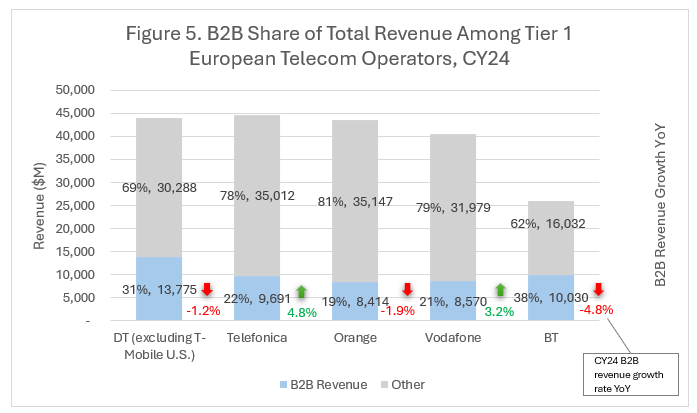
IDC recently published a new document that offers a holistic assessment of how Communications SPs are evolving their communications infrastructure and operations through digital transformation to become more agile at offering advanced digital and managed services to business customers. The IDC MarketScape on Worldwide Communications Service Provider Digital Infrastructure and Services evaluated 12 global Communications SPs.

Communications SPs face common challenges, including service commoditization, fierce competition, and a lack of flexibility to innovate rapidly to meet shifting market needs. To capitalize on new opportunities, Communications SPs across the globe are accelerating their focus on digital transformation across communication networks, IT, and business operations to become more agile digital service providers and transition from telco to techco. This transformation is inevitable to stay relevant and support the needs of organizations as they face the full impact of digital business evolution.

Key Trends Representative of the Digital Business Evolution
The shifting digital business landscape and the requirement to be judicious about capital investments is leading more enterprises to depend on IT partners for best-in-class technology, and managed service options, that help them to manage their internal skills gaps. Some important trends that are driving digital business services transition include:

  • Cloud-centric digital application strategies that provide compelling business and technology benefits have accelerated the implementation of digital platforms. As organizations move applications to the cloud, the right mix of secure and flexible network services becomes essential to underpin their digital business strategy.
  • Managed services become a more attractive option for organizations, as cloud-centric digital strategies expand, to help simplify complex tasks through optimized network-as-a-service experience that can be tailored to its specific business and to help companies manage their lack of internal expertise.
  • Composable services that offer flexible pricing models by applying a consumption methodology to simplify the buying process, create cost-effective service bundles, and can help organizations reduce the cost of managed services and connectivity over the long term.
  • The evolving threat landscape continues to drive demand for managed/cloud-based delivery models for integrated security management to address cost, complexity, and the lack of internal security staff. It is increasingly convenient for organizations to acquire integrated security features and tools as part of managed services, that can also address data sovereignty concerns.
  • The intelligence of the digital infrastructure to ensure a differentiated experience is accelerating the use of AI and Gen AI models with advanced analytics to turn large amounts of data into valuable business insights, benefits, and outcomes.
  • Comprehensive API capabilities to better expose the full value of the network, service, and partner assets to help drive automation under an open environment that can integrate with a broad range of proprietary and legacy solutions.
  • ESG requirements are moving higher in priority for organizations, in some cases, closely tracking behind profit and revenue. Sustainability is becoming an important factor in driving organizations’ managed service investment requirements that can offer energy-efficient as-a-service models.
  • Strategic service provider partnerships have become paramount to help organizations embark upon new journeys that will improve operational efficiency, business resiliency, and customer experience with their digital infrastructure and services transformation, beyond just connectedness.

2023 IDC MarketScape for Digital Infrastructure and Services Evaluates 12 Communications SPs

The 2023 IDC MarketScape for Worldwide Communications Service Provider Digital Infrastructure and Services evaluates 12 Communications SPs across 20 scoring criteria categories, including 10 each of strategy and capabilities. Communications SPs had to meet a minimum threshold of annual revenue and network portfolio that offers a range of managed services including managed WAN, managed cloud, managed security, managed Internet of Things (IoT), multi-access edge computing (MEC), and other network services targeting business customers. The analysis also evaluated the underlying intelligence of their digital infrastructure such as network virtual/cloud-native functions, NaaS platform, API integration, and AI capabilities.

This research includes the analysis of twelve communications service providers including AT&T, BT, Comcast, e&Enterprise, Lumen, NTT, Orange, Reliance-Jio, Telefonica, Telstra, Verizon, and Vodafone, who are positioned in the leaders and major players categories. The analysis identified that all 12 of the Communications SPs have a strong digital transformation plan, but some are more progressed than others for now.

The ample landscape of service providers offering digital infrastructure and managed services means organizations can face increasingly complex choices in service provider selection for their agile digital infrastructure modernization needs. The 2023 IDC MarketScape for worldwide communications service provider digital infrastructure and services is meant to be a guide for helping organizations evaluate Communications SPs to become their strategic partner in this important digital business evolution.

We also recommend you take advantage of these recent resources from our tech market experts:

Peter Chahal - Research Director, Worldwide Telecommunications Services and Strategies - IDC

Peter Chahal is a Research Director at IDC's Network and Telecommunications research practice covering telecommunication services and strategies. Some of the key areas of his research includes mobile broadband services, 5G monetization, SD-WAN, wireline broadband services, and other emerging telecom digital services. Peter’s also looks at telecommunication service providers’ broader strategies and how those strategies influence telecommunication providers’ digital transformations. His research helps telecommunication service providers and vendors have a better understanding of the worldwide telecommunications market and discover new opportunities for growth.

Without a doubt, generative AI (GenAI) has been the most talked about innovation this year, and it looks like it is only going to grow in 2024 and beyond. Love it or hate it, ignoring GenAI and its benefits for organizations means losing out on a tool that is set to revolutionize the way we work.

Now, organizations are faced with a critical decision: do they build their own GenAI capabilities or opt for ready-made solutions from vendors? This pivotal choice can shape the trajectory of innovation within an organization.

In this blog, we will explore the various considerations when making the build vs. buy decision and delve into the impact of GenAI on productivity, functional excellence, and industry-specific applications.

GenAI Unleashes Innovation

GenAI transforms an organization’s knowledge and makes it accessible to employees, customers, and suppliers. It connects data to insights, unlocking lots of information in an organization and turning it into a valuable asset.

Boosting Productivity

Staying ahead of the competition often hinges on the ability to maximize productivity while driving operational efficiencies. GenAI shines in productivity use cases, automating tasks like summarizing reports, generating job descriptions, and even coding in languages like Java and Python. By automating these processes, GenAI enhances workforce efficiency, reduces human errors, and augments overall output.

To boost productivity with GenAI, you have two options. You can integrate it into existing commercial apps or opt for standalone GenAI apps. This flexibility enables customization to meet specific requirements. Companies often choose this path to overcome challenges like finding specialized AI talent and limited budgets.

However, this approach may have trade-offs, such as lower control over model governance, data security, privacy, and compliance issues. Careful consideration is necessary when deciding to build or buy GenAI for productivity enhancements.

Functional Excellence

GenAI also plays a vital role in enhancing functional excellence by automating processes, optimizing decision-making, and providing highly personalized, context-aware solutions. Companies can modify open-source models or use existing models from AI platforms to align GenAI with their business needs.

The adoption of GenAI for functional excellence is facilitated by well-harmonized institutional data, in-house talent, budget availability, and a moderate risk appetite. While it offers contextual experiences and operational efficiencies, companies need to be aware of the potential challenges, including model governance and data security.

Industry-Specific Applications

GenAI’s impact in industry-specific contexts is profound. It empowers companies to create new digital business models, design innovative products and services, and establish unique competitive advantages. Fine-tuning existing models or developing custom models are the primary approaches for industry-specific GenAI implementations.

Industries often turn to GenAI for applications such as groundbreaking drug discovery in the life sciences sector and generative material design in manufacturing. While these implementations offer tremendous value, they also come with high costs and the responsibility of managing regular model refreshes.

The ‘Buy’ Perspective

The ‘Buy’ perspective offers a way to quickly access GenAI benefits by leveraging enterprise applications with GenAI capabilities or native GenAI applications. These solutions empower businesses to harness GenAI’s capabilities without extensive in-house development efforts. However, they may lack competitive differentiation and offer limited customization.

The ‘Buy’ approach is suitable for enterprises wanting quick access to GenAI benefits, especially those with low maturity around enterprise data management and AI. It can kickstart the GenAI journey while establishing a foundation for data management, governance, and the skills needed for further GenAI development.

Fine-Tuning GenAI Models

Fine-tuning existing models is a powerful strategy that involves modifying open-source or commercial models to align with specific business requirements. This approach offers robust solutions, control over training data, and superior performance. However, it requires labeled data sets and regular updates.

Three main avenues for fine-tuning generative AI models include fine-tuning, retrieval augmented generation (RAG), and prompt engineering. Each approach has its advantages and is suitable for different use cases.

Building Your Own GenAI Model

Building your own GenAI model involves developing a foundational model using institutional data. This approach offers the highest level of control, governance, and transparency. It is ideal for organizations aiming to create unique products or services derived from proprietary data.

However, building your own model comes with challenges, including the need for a proficient data science team, high costs related to data collection and infrastructure, and a requirement for expertise in machine learning.

Converting GenAI’s potential into use cases that generate business value requires a clear-eyed understanding of current limitations and challenges. GenAI technology is powerful, but it is not fully mature and presents opportunities for misuse.

IDC’s leading-edge expertise and insight into GenAI trends, opportunities, requirements, and challenges help you elevate conversations and better engage with your customers.

Are you ready to meet the challenge? Contact us today to discuss how IDC can help you succeed with GenAI.