As we move beyond COVID-driven restrictions, we must now confront a new set of macroeconomic challenges – inflation, global economic instability, and flattening customer growth – while still navigating new hybrid work and organizational leadership models. These disruptions are significantly impacting customers across B2B and B2C markets.

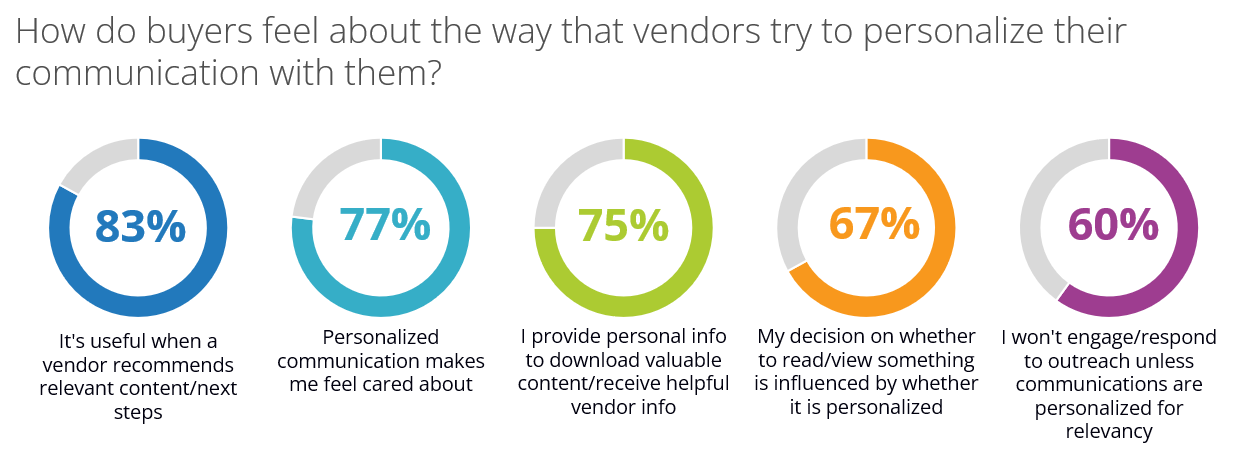
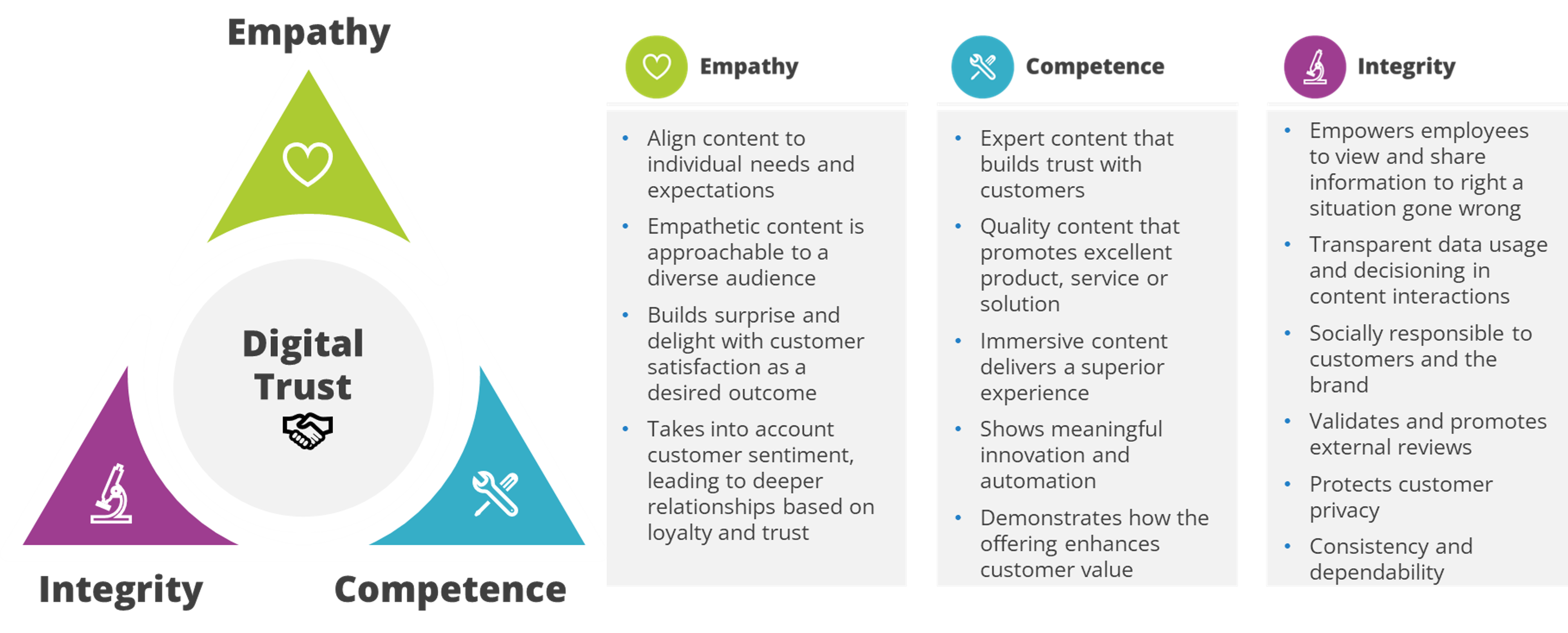
Customers are now demanding greater value, more memorable and immersive experiences, and greater control over how they engage with enterprises, becoming equal stakeholders in the customer experience (CX) ecosystem. Going forward, customer-centric business resilience will require enterprises to move beyond transactional-level experiences and tie business outcomes to relationship-based experiences that will be fulfilled by delivering customer value and trusted customer outcomes.


IDC’s Future Enterprise Resiliency and Spending Survey shows that in the 12-month period from July 2021 to June 2022, enterprises globally prioritized customer experience (CX) and operational efficiency – placing them on almost equal footing.


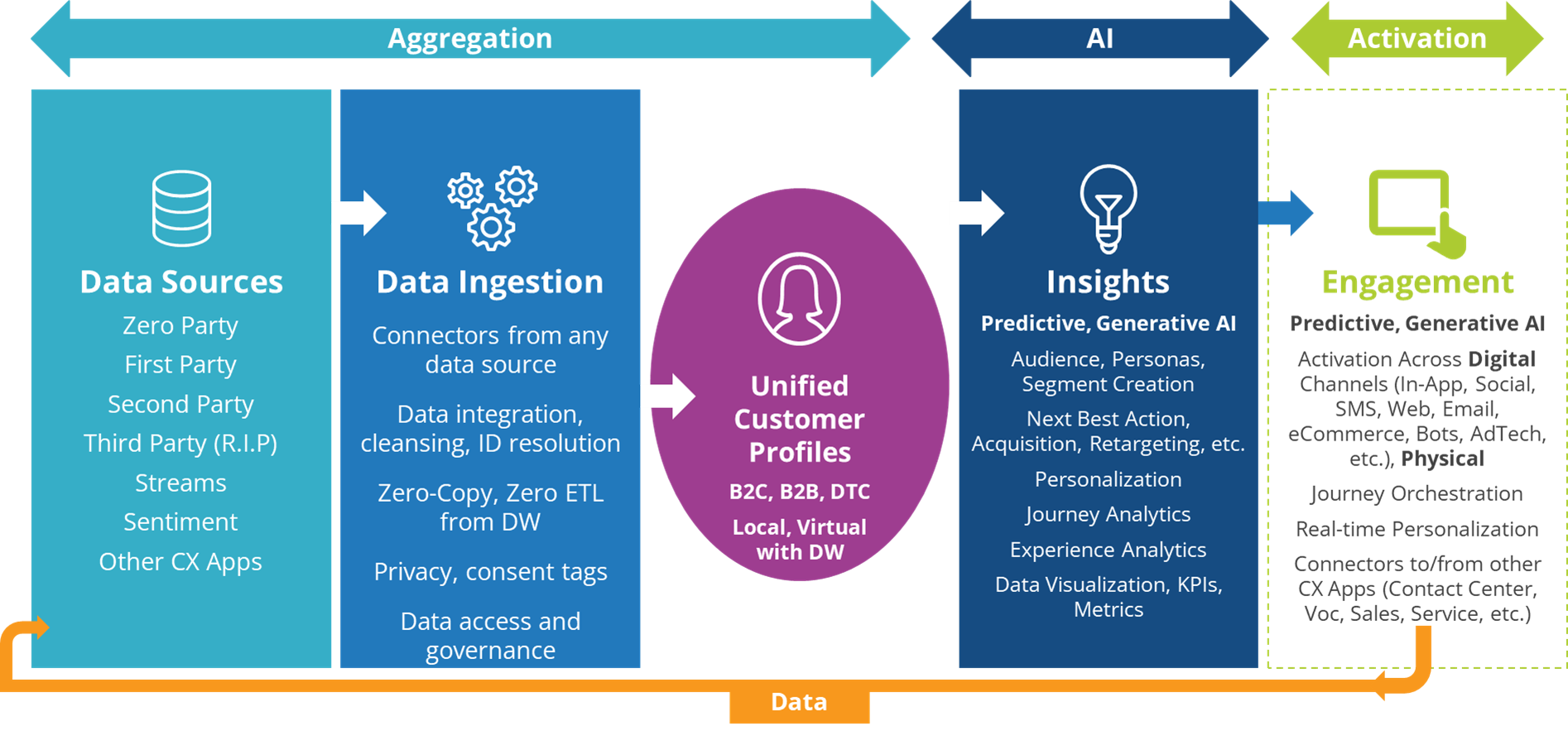
Building and scaling empathetic customer outcomes will require CX executives to leverage a strong technology foundation comprising customer data, AI/ML, and zero trust architectures. A few leaders are even dipping their toes into the Web3 pool. Future experiences will be tied to customer data as an enterprise service that gathers intelligence across the CX ecosystem to elevate context and deliver novel, immersive experiences that create more value parity for customers.

These CX initiatives will usher in an era of new customer metrics, greater focus on quantifying customer and business value, and the rise of trusted communities where the role of the customer evolves as an active participant in the experience ecosystem, as both creators and consumers of experiences. With digital business models becoming a steppingstone to the future enterprise, the imperative to maintain the human element in customer experiences will assume more importance.

In a world of accelerated uncertainty, the next era of CX innovation will be led by those brands that improve value for the customer through empathy and delivering outcomes for customer success. Thrivers will share and apply intelligence at the speed of customer engagement, create new customer engagement models and metrics for a digital business, and tap into the power of decentralization and Web3 to create equitable value parity in customer and business outcomes alike.

IDC’s top 10 predictions for the Future of Customer Experience in 2023 are:

  • Prediction 1: By 2027, one-fourth of global brands will abandon CSAT as a measure of customer experience and adopt a Customer Effort Score correlated to outcomes as a key indicator of journey satisfaction and success.
  • Prediction 2: By 2024, 50% of the G2000 will adopt CDPs as the enterprise customer data service for real-time customer interactions like a central nervous system, increasing CX metrics and revenue by 5%.
  • Prediction 3: To foster loyalty and a competitive edge, 64% of the G2000 will own online communities by 2027 and core IT application integrations will enable a new wave of collaboration and outcome-based insights.
  • Prediction 4: By 2026, 40% of the Global 2000 will incorporate employee experience initiatives into their core CX strategies to compete in CX, talent acquisition, and retention but will struggle to measure EX+CX.
  • Prediction 5: Adopting Web3 technologies will drive 45% of global brands to create new immersive experiences, accessible content, and engaged communities and grow the CX creator economy into a $300 billion market by 2024.
  • Prediction 6: By 2026, 45% of the Global 2000 will use AI/ML to elevate context and nudge customers into unfamiliar and novel experiences that simultaneously improve sentiment metrics and brand upselling potential.
  • Prediction 7: By 2024, at least 30% of organizations will introduce new success metrics to track and measure the internal and external flows of customer value creation.
  • Prediction 8: By 2025, 50% of G2000 enterprise customers will primarily select their CX platform provider based on the efficacy of the vendor’s customer success services.
  • Prediction 9: By 2024, 30% of organizations will be forced to expand data management and privacy measures to mitigate risks of data breaches caused by ecosystem partners costing $4.6 million per breach.
  • Prediction 10: By 2026, 40% of G2000 companies will build safe communities to foster interpersonal guardrails for future metaverse platforms — and collect first-party data.

Interested in learning more? Watch our on-demand webinar, IDC FutureScape: Worldwide Future of Customer Experience 2023 Predictions.

Sudhir Rajagopal - Research Director, Future of Customers and Consumers - IDC

Sudhir is Research Director for the CMO Advisory Service, focused on creating and executing programs and research to help companies make data-informed decisions about marketing. Sudhir's research and advisory focuses on how organizations must consider transforming their marketing function with AI at the center. In his role, Sudhir monitors the continual innovation of technologies, business strategy, and customer experiences to empower marketing leaders to make decisions on marketing strategy and operationalization.

We just released our annual top 10 predictions for utilities worldwide. The predictions enable the IDC Energy Insights team to reflect on the current year and on what the future holds for the industry. This year, it’s fair to say, there was a lot to think about.

2022 has given us the worst energy crisis in a generation, especially in Europe, with day-ahead power prices growing more than 500% since 2020, and natural gas futures spiking by more than 1,000% year on year in August. We all knew price volatility was going to be part of the game, at least in the initial stages of the energy transition (at least until we sorted out functioning flexibility markets and deployed enough storage in the system).

But no one was really prepared for a pandemic, followed by a war in Europe, by the world’s biggest energy exporter.

Let’s not forget climate change, with some of the worst heatwaves, draughts, and floods in decades (if not centuries) and the huge impact they have had on the so-called energy-water nexus. 

While these are only a few of the challenges that have grabbed the headlines in the past 12 months, utility companies are increasingly accepting the unpredictable world they operate in and are becoming more resilient, predictive, and flexible in their operations. They don’t have a choice, as there is no time to stagger slowly toward the overarching goal of net zero.

Significant investments are needed, and a critical mass of technologies must be deployed at pace to transform energy and water systems for the better.

Energy transition, climate disruptions, and social sustainability have demonstrated that utilities are at the heart of economic resilience. Utilities must become business and infrastructure platforms to lead decarbonization, foster demand efficiency and circularity, and promote electrification.

Utilities can create positive outcomes by mastering​ their day-by-day execution in:​​

  • Technology: to accelerate and scale sustainable energy, the electrification of transportation, and the sustainability of industrial clusters (and more broadly the economy)
  • Data: to drive purpose across power generation, energy and water delivery, markets, customers, energy services, and new clean energy supply chains​
  • Ecosystems and their emerging operating models: to generate new value

These elements combined will make utilities trustworthy to customers, employees, suppliers, shareholders, and society as a whole.

Given all this, here are the top 10 predictions for utilities:

  1. By 2025, a third of competitive gentailers will have set up integrated supply, efficiency, decarbonization, and electrification service portfolios, growing average profit per customer by more than 20%.
  2. By 2023, 60% of competitive power generators and traders will have AI-powered forecasting capabilities in production, helping to improve day-ahead demand and price forecast accuracy by more than 15%.
  3. By 2027, driven by the need to detect and manage behind-the-meter flexibility, 70% of electric utilities in advanced markets will deploy distributed resource management and demand response solutions.
  4. By 2024, 50% of gas utilities will use cloud platforms and drones, aircraft, or satellites equipped with image-based detection technology to detect fugitive emissions and deliver on net-zero targets.
  5. By 2024, 25% of utilities will invest in new talent management applications to become skills-driven high-performance organizations, boosting work productivity and quality by 15%.
  6. In 2023, pushed by energy price and security concerns, 55% of energy suppliers will leverage energy system data to identify those at risk of fuel poverty and foster more efficient consumption.
  7. By 2026, 60% of utilities will converge IT and operational technology (OT) security personnel, technologies, and processes to better protect against both cyber and physical threats, reducing overall security breaches by 50%.
  8. By 2024, 70% of utilities will use specialized sustainability SaaS platforms to track and report scope 1 and 2 and estimate scope 3 emissions to meet regulatory and financial disclosure requirements.
  9. By 2027, longer droughts and more volatile energy prices will have pushed 40% of water companies to invest in IoT- and AI-based smart applications to cut non-revenue water (NRW) and power consumption by 20%.
  10. By 2025, 50% of utilities will implement a platform approach to operations, integrating core applications, improving visibility, management, and efficiency to boost tight operating margins.

For each of these predictions, the IDC Energy Insights team has developed a detailed analysis, with associate drivers and IT impact and guidance for utilities. A selection of these predictions will be presented by IDC Energy Insights analysts in an live webinar on Thursday, December 1, at 16:00 CET.

To complement the top 10 predictions, the IDC Energy Insights analyst team also develops a series of recommendations for utilities that have embarked on the energy transition journey. This year’s recommendations are:

  • Deliver on your purpose. Sustainability, decarbonization, and electrification offer endless opportunities, so it’s easy to get overwhelmed by the possibilities. Balance immediate urgencies around security of supply and consumer protection, without losing momentum on long-term net-zero goals. Focus resources and efforts on energy transition use cases and initiatives that support and enrich your company’s future business portfolio.
  • Nurture your internal resources. The decade-long talent drain in the utilities industry has been exacerbated by the global skills and talent crunch that affects all sectors, including technology companies. The old practice of relying on technology partners and IT and business service providers to cover skill gaps is no longer sufficient as many of these companies have themselves also been negatively affected. It’s imperative to focus on internal workforces to boost productivity and work quality and to improve employee experience and ward off the “Great Resignation.”
  • Rekindle your relationship with customers. The global energy crisis and economic uncertainties have made energy consumption (and related costs) top of mind for customers across all sectors. Now is the time to become true energy advisors, supporting customers with personalized, timely, and valuable offers around sustainability and new energy products and services. This could have a long-term impact on customer experience and revenues from new business models.
  • Engage in ecosystem innovation. Collaborative innovation and co-creation are crucial to successfully navigate the accelerating pace of energy transition. In many cases, emerging utility business and operating models also require cross-industry ecosystems, so an ecosystem-first mindset is a powerful tool. Establish an internal engagement platform that brings together business stakeholders, technology partners, end users, and start-ups with a focus on idea conversion and incubation and an end goal of driving operating models to generate new value.​

Support the integration of the energy system. Work with regulators and policymakers to link different production modes with different types of demands through the most sustainable and cost-efficient physical, digital, and market infrastructure. Support the creation of markets where price signals guide consumers to the cheapest and most efficient decarbonization option. Drive the creation of physical links between existing and new energy carriers. Digitize the system to harmonize demand and supply, orchestrate markets, and link energy flows.

IDC Energy Insights analysts Jean-François Segalotto, Gaia Gallotti, Daniele Arenga, and Roberta Bigliani will be onsite in Frankfurt for Enlit 2022. They look forward to meeting you and discussing their predictions and more.

The past always informs the future, so it would be hard to discuss the Future of Trust without, at first, acknowledging the significant impact that the COVID-19 pandemic has had on computing. Pushed into supporting remote and hybrid work models, organizations scrambled to set up the necessary infrastructure to continue operating, while people incorporated more technologies and digital identities into their everyday experiences.

In the Future of Trust, we see the push and pull of digital services. With the growing prevalence of cloud-based services, greater volumes of data are collected and analyzed, driving the need for more automation to provide insights into the data, as well as artificial intelligence innovations that promise to alleviate pain points experienced by organizations and their customers.

Meanwhile, consumers are ever more aware of and sensitive to data breaches as cyberthreats increase in number and sophistication. Privacy by Design principles are being re-evaluated as customers become more curious and cautious about how their personal information is used. And, while rules and regulations regarding where and how data is stored and transmitted are changing, businesses recognize that their customers cannot tolerate disruptions to the digital infrastructures that undergird their work and daily lives.

All of this uncertainty is prompting organizations to turn to “the certainty of data.” In our top 10 Future of Trust predictions, we see the thread of data-driven insight running through privacy, security, compliance, risk, and ESG – the elements comprising the Framework of Trust. This relationship between data-driven insight and Trust is cyclical. Customers confer Trust onto organizations that transparently share data driven insights, but Trust is a prerequisite to overcome consumer reluctance to share the personal data required to generate high quality organizational insight.

  • Prediction 1: By 2026, 30% of large enterprise organizations will migrate to autonomous security operations centers accessed by distributed teams for faster remediation, incident management, and response.
  • Prediction 2: By 2024, 35% of organizations will employ a privacy engineer to operationalize Privacy by Design principles into IT systems, processes, and product development strategy.
  • Prediction 3: By 2024, 30% of heavily regulated organizations will adopt confidential computing technologies to combine and enrich sensitive data critical to multiparty compute applications while preserving privacy.
  • Prediction 4: By the end of 2024, 65% of major enterprises will mandate data sovereignty controls from their cloud service providers to adhere to data protection and privacy regulatory requirements.
  • Prediction 5: By 2026, driven by steep regulatory growth, talent gap, and cost efficiency measures, 40% of organizations will invest in compliance-as-a-service offerings to meet their regulatory mandates.
  • Prediction 6: By 2027, 60% of G2000 companies will adopt continuous risk assessments over annual security audits, leveraging service providers to limit the burden of policies, practices, and technical debt.
  • Prediction 7: By 2025, the SEC will publish standards for cyber-risk scoring, and publicly traded companies will be required to update and report this score on an annual basis.
  • Prediction 8: By 2024, 30% of organizations will advance their ESG metrics and data management beyond reporting capabilities to generate sustainably driven cost and competitive advantages.
  • Prediction 9: By 2024, 75% of large enterprise firms will implement purpose-specific ESG data management and reporting software as a response to emerging legislation and increased stakeholder expectations.
  • Prediction 10: By 2025, 45% of CEOs, fatigued by security spending without predictable ROI, will demand security metrics and results measurement to assess and validate investments made in their security program.

Interested in learning more? Watch our on-demand webinar, IDC FutureScape: Worldwide Future of Trust 2023 Predictions.

Grace Trinidad - Research Director, Future of Trust - IDC

Grace Trinidad is Research Director in IDC's Security & Trust research practice responsible for the Future of Trust research program. In this role she provides strategic guidance and research support on approaches to trust that include risk, security, compliance, privacy, ethics, and social responsibility. Dr. Trinidad has published peer-reviewed research on privacy and trust in healthcare, exploring public attitudes towards commercial use of personal health information. Other areas of Dr. Trinidad's research include the ethics of artificial intelligence and data sharing, trust in healthcare providers and in healthcare organizations, genomic database use and accessibility, and data equity.

Home Office is an Advantage, But Security Risks Remain

Would you work for a company that wants you to spend 40 hours a week at the office? Three years ago, you probably would have raised your eyebrows at the question. But times have changed — and the answer may not be as evident as it used to be.

The COVID-19 pandemic has dramatically altered how we work. Lockdowns and social distancing made the introduction of home office working inevitable for many companies. For a period, this was necessary to keep companies afloat without putting the health of employees at risk.

But home working has now become an expectation for many employees — and it is widely offered by employers to attract and retain workers.

To stay competitive, enabling a hybrid home-office model, full-time home working, or remote working is an increasingly popular strategy for organizations. But it requires the deployment of substantial security measures to limit risks in a digital environment that remains highly threatening.

Home Office: A Key to Attracting Professionals

Our research reveals that companies are using hybrid and remote working models to strengthen their competitiveness. From the employer point of view, offering a home office opportunity can improve employee satisfaction. In many cases, it also boosts productivity, resulting in better products and services and greater customer satisfaction.

Companies want to keep employees motivated — and hybrid working models are one way to do so. IDC’s European Industry Acceleration Survey 2022 found that 37% of the 1,500 respondents regard hybrid working as an external force that positively impacts the organization. Among all listed options, hybrid working won the most support from survey respondents.

Job seekers increasingly prefer companies that enable them to work from home on a regular basis. Many employers have supported this preference to avoid losing applicants. IDC’s 2022 Future Enterprise Resiliency and Spending Survey (Wave 6) offers confirmation: One-third of respondents cited offering a hybrid working opportunity as their top strategy for attracting and retaining IT professionals.

The survey also found that 29% of organizations regard offering a hybrid model as having the most impact of a range of strategies. Offering competitive compensation packages or designing inspiring workplaces were lower-ranked options.

Almost half of respondents said choosing the right strategy is crucial in the recruitment of IT professionals, particularly those who possess key skills that are in high demand.

Same Road, Different Stages

Companies are generally open to taking the necessary steps to satisfy the home office-related needs of their employees. But they are at different stages of introducing hybrid working models.

Around one-quarter of IDC survey respondents said company leadership had expressed interest in learning more about employee perspectives on hybrid or fully home-based working. One-quarter of respondent organizations have introduced short-term policies for it. Nearly one-third have invested in technologies to support ongoing remote and hybrid work based on feedback from employees, while 13% intend to maintain hybrid and remote working models over the long term.

Of course, not everyone has a positive view of home/remote working. But the Future Enterprise Resiliency and Spending Survey found that only a minority of enterprises face a situation in which the leadership and employees have completely divergent views on the subject.

What does home office working cost employers? IT investments, mostly related to infrastructure, are a major spend. IDC’s Future of Work Spending Guide reported that European companies are expected to spend $4.3 billion on remote team enablement this year. Increasing storage capacity and scaling VPN solutions are two of the most common upgrades that organizations implement.

Home Office or Remote Working?

The focus on VPNs illustrates that organizations must address the security risks of working from home. From the security point of view, there is a difference between home office and remote working. In the case of home office, employees are restricted to working in a specified location, their home, using equipment provided by the employer. In remote working, employees may work from anywhere and use personal equipment.

Remote working poses a much higher security risk. Unsafe networks, weak passwords, and unverified software are among the leading risks. People around the employee may also jeopardize the security of sensitive information. At home offices, unsecure networks, employee exhaustion, a sense of comfort and security, and distractions are among the risk factors. Security measures implemented by the employer can alleviate many of these concerns.

Increasing Focus on Security

After data management, cybersecurity is the second-ranked focus area for organizations. More than two-thirds of IDC survey respondents cited cybersecurity as a focus of skills acquisition and training. Having security experts at the company is essential for technology projects. Many respondents highlighted that IT security professionals remain in high demand, especially for key initiatives.

Security is indeed an increasingly crucial sector for investments, especially in the current era of cyberwar. IDC’s Security Spending Guide reveals that European organizations spent more than $42 billion on security technologies in 2021. A nearly 11% increase is expected in 2022.

The results of IDC’s European Industry Acceleration Survey 2022 align with this trend: 32% of respondents regard cyberthreats as an external factor that negatively impacts the organization. It is thus not surprising that 34% of respondents expect cybersecurity regulations to have a major impact on business in the next two years. In 2023, cybersecurity will continue to be among the top priorities driving digital investment.

There are many ways to boost an organization’s cyber-readiness. Among the listed security services in the Future Enterprise Resiliency and Spending Survey, security training received the most votes (33.6%). When working from home, employees leave the secure working environment provided by the office, exposing employers to greater risk of data breaches and cyberattacks.

Increased spending on cybersecurity, however, is not solely due to the risks posed by home and remote workers. Private and the public sector organizations may be targeted for cyberattacks no matter how many employees are physically present in the office. Because an inability to secure sensitive data poses operational and reputational risks, security budgets must not become victim to budget cuts by organizations trying to survive inflation and recession.

Home office has become widely popular and, for many, the default way of working. It remains to be seen whether the rising cost of living will force employees back to the office. But for now, labor market competitiveness depends on whether companies are willing and/or able to satisfy employee demands for home office. And this trend will continue to influence security sector spending.

While data has long been the lifeblood of businesses – critical to making the right decisions at the right time to drive revenue, experiences, and outcomes – connectivity provides the means to keep that data in motion. And, connectivity has become a priority as employees, businesses, and consumers increasingly look for digital resiliency, where digital experiences are supported by ubiquitous, reliable and robust connectivity. Enterprise network must scale to support the ever-growing volume of data coming from both inside and outside the organization.

When we discuss the Future of Connectedness, we recognize that there is no actual end state to connectedness. Rather, it is an evolutionary path that leads to improved agility, increased business flexibility, and more adaptability for organizations as markets and business conditions inevitably shift. Employees and customers have come to expect that any digital interaction with things, applications, processes, or other people is guaranteed no matter where, when, or via what medium they choose.

Over the past two years, the COVID-19 pandemic has been a key driver of change. The transition to hybrid work and more distributed workforces has created greater expectations from employees, customers, and partners for seamless anytime-anywhere digital interactions to mission-critical systems and processes. The convergence of physical and digital workspaces and storefronts and the evolution of smart spaces require business leaders to align technology, policy, and operations to drive agility and revenue.

As businesses look ahead to 2023 and beyond, they face added stressors – from inflation and economic uncertainty, regional conflicts, supply chain constraints, and a shortage of workers and staffing that align to key skill sets. While these forces play a role in key decisions, IDC data shows that 81% of organizations are still prioritizing connectivity programs. We expect companies to continue to leverage those investments to automate key processes, transform workplaces, improve customer experiences, and increase corporate resiliency. Connectivity programs will embrace 5G, edge, and cloud infrastructure and services to keep data moving.  More importantly, these programs will continue to improve efficiency and enable data to provide real-time insights to the business. As networks evolve and business needs scale or change, enterprise network and IT departments must align systems and processes. This will ensure business continuity, empower greater employee productivity, and help organizations quickly adapt to changing business environments and requirements.

IDC’s worldwide Future of Connectedness 2023 top 10 predictions are:

  • Prediction 1: By 2024, 75% of enterprises will leverage cloud-based APIs to create customer engagement applications that integrate UCaaS/CPaaS platforms with multichannel options to improve customer experience.
  • Prediction 2: By 2025, 50% of digital organizations will augment “cloud first” with a “wireless first” multi-access network fabric using diverse technologies for mission-critical and business continuity use cases.
  • Prediction 3: By 2025, only 30% of organizations will benefit from defined 5G use cases due to fragmentation and lack of leadership among connectivity, technology, and managed services providers.
  • Prediction 4: By 2026, 40% of enterprises will double investments in hyperconnected digital spaces to increase productivity, improve collaboration, and boost energy efficiency.
  • Prediction 5: By 2024, 50% of large enterprises will use a hyperscaler’s cloud WAN service within their network, either directly or indirectly, pushing telcos further toward the role of service integrators.
  • Prediction 6: By 2027, the metaverse will account for 70% of annual media traffic growth on the internet, where both consumer and business use cases will drive increased bandwidth demand.
  • Prediction 7: By 2023, 40% of enterprises will benefit from optimized operational efficiency, enhanced security, and reduced network costs by leveraging SD-WAN and security for cloud-managed networking and security.
  • Prediction 8: By 2024, 30% of enterprises will extend network attentiveness across all major IT teams (e.g., SecOps, DevOps, and AIOps) by expanding skill development, screening requirements, and NetOps interactions.
  • Prediction 9: By 2026, 40% of companies will lag in executing a resilient connectivity strategy due to budget shortfalls, as workplace transformation becomes the new normal for customers, employers, and partners.
  • Prediction 10: By 2027, 80% of G2000 enterprises will require LEO satellites to cover gaps in network coverage for remote, rural, and high-risk international locations.

Interested in learning more? Watch our on-demand webinar, IDC FutureScape: Worldwide Future of Connectedness 2023 Predictions.

Paul Hughes - Research Director, Future of Connectedness - IDC

Paul Hughes is a Research Director leading IDC's Future of Connectedness Agenda program. He is also a key member of IDC's larger Worldwide Telecom Research Team. In this role, Paul is responsible for research related to the future innovation and transformation of how data and connectivity impact people, things, applications, and processes used by enterprises and end users. Within the Future of Connectedness practice, he also publishes thought leadership on how the Connectedness ecosystem – including communications service providers, cloud providers network equipment vendors, IT hardware vendors, software vendors and systems integrators – must develop solutions to meet future technology needs of businesses and consumers.

As enterprises execute their transitions from digital transformation technology investment strategies to focusing on running digital businesses, a critical enabler will be the ability to innovate by developing differentiated and disruptive technologies. Data and data analytics will play increasingly important roles. In IDC’s view, companies that acquire the right data sets and apply the right analytics to derive key insights and build desirable capabilities will achieve desired business outcomes.

Our research supports this view. The rate of innovation in organizations with excellent enterprise intelligence was on average 2.5x faster than organizations with poor enterprise intelligence, according to IDC’s August 2021 Future of Intelligence Survey. Getting the data and analytics equation right, however, will require partnerships, rigor, efficiency, and ethics – all areas that are addressed in our predictions.

The COVID-19 pandemic demonstrated just how powerful digital technology and innovation can be in delivering resiliency, revenue, and opportunity to the enterprise in the face of crisis. Now, as we face additional global challenges, such as war, inflation, the threat of recession, and ongoing supply chain disruptions, enterprise relationships with technology will be more critical than ever. We anticipate the emergence of a divide between organizations that are able to scale development and delivery of digital innovation and those that can’t. Enterprises that deliver on digital innovation initiatives will emerge as leaders in their market sectors.

IDC’s 10 Future of Digital Innovation predictions are: 

  • Prediction 1: By 2024, the top five companies in each sector will be those that used technology to innovate their way out of a global crisis such as recession or supply chain disruption.
  • Prediction 2: By 2026, 10% of companies will successfully incentivize consumers to share closely held data to devise nontraditional offerings, improve customer experience, and grow market share.
  • Prediction 3: By 2024, 35% of businesses that build innovative algorithms to glean intelligence from unique data sets will deliver successful new product offerings and pricing models and tap new customer segments.
  • Prediction 4: By 2028, new efficiencies will allow developers to increase the share of time they spend on innovation from 25% of their development-related work to 75%.
  • Prediction 5: By 2028, recurring revenue from smart products will make up 65% of revenue for companies that sell “dumb” and “smart” versions of the same products.
  • Prediction 6: By 2026, 75% of market leaders will have systemic, structured digital innovation programs and investments that support ongoing iterative innovation, enabling growth, scale, agility, and resilience.
  • Prediction 7: By 2026, companies that share data with business partners to leverage their collective data sets for new revenue potential will grow revenue 10% faster than those that don’t.
  • Prediction 8: 85% of CEOs of the G2000 will demand senior leaders deliver data-driven insight into innovation activity including developer efficiency and business outcomes by 2025.
  • Prediction 9: In 2027, the share of non-technology-focused people in companies who will spend 10 hours or more a week contributing to digital innovation will grow from 5% today to 45%.
  • Prediction 10: In 2028, 15 large companies will make headlines for using digital technologies to manipulate customer experiences to spur upgrades and replacements.

Interested in learning more? Watch our on-demand webinar, IDC FutureScape: Worldwide Future of Digital Innovation 2023 Predictions.

Nancy Gohring - Senior Research Director, AI - IDC

Nancy Gohring is a senior research director, co-leading IDC's GenAI and Agentic AI Strategies program. Nancy covers big picture trends related to enterprise adoption of AI, including GenAI and agentic AI. Key research themes include business, organizational, and technology architecture transformation, in the context of AI and GenAI. As part of the Worldwide AI, Automation, Data & Analytics Research practice, Nancy supports a range of clients across the technology stack including hyperscalers, developer tool providers, enterprise application vendors, professional services organizations, automation frameworks providers, and infrastructure suppliers.

The ongoing wave of disruptions globally has underlined the importance of digital transformation (DX) in manufacturing organisations. It was evident during the height of the COVID-19 pandemic that digitally mature companies fared better in responding to disruptions than their peers with lower levels of digitalisation.

As the manufacturing sector globally faces continued uncertainty — with soaring inflation levels, energy crisis, raw material and component shortages, skills shortages and other supply chain disruptions — climbing the smart manufacturing maturity ladder is vital to ensure business continuity and make production more resilient in the long term.

In the same way, the dynamic business environment is providing opportunities that drive manufacturers to digitally transform their production. For instance, the push towards environmental sustainability and agile/remote production is an important catalyst for organisations to accelerate their smart manufacturing initiatives.

Smart manufacturing is defined as the continuous process by which enterprises leverage cyberphysical convergence and digital skills to develop the production capabilities to compete in the modern economy. It encompasses intelligent machines from machines and tools to collaborative robots, emerging sets of business applications enabled by cloud and industrial Internet of Things (IoT), technology enablers such as digital twins and AI, and other rapidly evolving technologies and standards that support smart production.

Assessing Your Factory’s Digital Maturity with the IDC Smart Manufacturing MaturityScape

The IDC Smart Manufacturing MaturityScape provides a framework for executive leadership, IT and production managers to identify the stages, critical measures, outcomes and actions required for organisations to evaluate and evolve their digital factory strategies. It offers a model to help companies know where they stand and take steps to drive their progress.

There are 5 stages in the IDC MaturityScape, from the least mature and capable Ad Hoc stage to the most mature and capable Optimised stage. At higher levels of maturity, smart manufacturing is a companywide strategic initiative and a major driver of competitiveness and innovation.

At this Optimised stage, companies recognise that mastering their factory floor processes enables them to become proactively disruptive in their market segments, both in delivering cutting-edge products and leveraging transformative business models that entail demand-driven manufacturing and agile production processes.

Addressing Challenges and Staying Ahead of the Game

While the benefits of digital transformation are immense, many companies face roadblocks and struggle to reach higher levels of smart manufacturing. Organisations need to have executives and all relevant stakeholders on board and build a culture that supports digital transformation. They also need to figure out how their operations can contribute to making their business model viable in a world of digitally enabled business ecosystems.

Companies at the lower stages of digital maturity must create a sense of urgency in the organisation and make a conscious effort to assess the technology opportunities available on the market and understand how they can be applied in their organisations. As they progress, it’s important to develop a clear road map with clear and measurable goals, and implement organisational and workforce transformation programmes to enable their digital transformation.

Companies at higher stages instead must enable business reinvention by leveraging smart manufacturing initiatives.

Companies at every stage of digital transformation must:

  • Empower the workforce by equipping them with necessary skills and capabilities to enable digital transformation. Workers need to feel engaged by knowing what digital transformation means for them and how they can best contribute to its success.
  • Focus on customers by ensuring that smart manufacturing initiatives are relevant and ultimately contribute to providing a competitive value proposition.
  • Acknowledge that DX is not a one-off stunt but rather a continuous and transformational process to build a transparent and responsive organisation.

Download the IDC MaturityScape Smart Manufacturing 2.0 to assess the state of your organisation’s smart manufacturing maturity across several dimensions and receive further guidance on how to progress and succeed at every stage of the smart manufacturing journey.

IDC’s European Manufacturing Summit 2022 is the perfect opportunity for manufacturing executives to discuss the key trends, challenges and opportunities that are driving smart manufacturing. It will also offer insights into how organisations can thrive and build resilience in an increasingly complex, volatile and disruptive world.

The IDC Manufacturing Insights: Worldwide Smart Manufacturing Strategies advisory service examines key challenges facing manufacturing companies, such as achieving operational excellence, enabling global manufacturing intelligence and ensuring production quality. It provides fact-based research on IT tools, strategies and best practices in manufacturing operations management (MOM) to meet business challenges, covering the entire spectrum of operational processes from digital factory and production scheduling through manufacturing execution and plant automation to asset management and plant sustainability.

The relationship between business and technology is changing. Listen to any boardroom discussion today, and it’s become clear that C-level executives no longer see IT as merely an enabler to already-made decisions. Instead, ongoing conversations are about how technology can create and expand strategic options. Likewise, business executives look to technology leaders to understand how digital can better deliver business outcomes.

IDC sees this new relationship between business and technology as “digital-first”. Today, 91% of Asia/Pacific including Japan (APJ) organizations have adopted digital-first strategies to transform themselves into digital businesses[1].

A similar view is reflected in IDC’s recent C-Suite Sentiment Survey 2022. 82% of C-level executives in Asia/Pacific say that digital business is a critical component of their overall corporate strategy. At least two-thirds of executives say that digital business initiatives play a significant role in achieving their top business objectives. These comprise (ordered in rank priority):

  1. Increase profits (93%)
  2. Reduce cost (69%)
  3. Improve operational efficiency (78%)
  4. Increase revenue (85%)
  5. Improve customer experience (80%)

This is the dawn of the digital business era. Flip through the annual reports of leading organizations such as Inchcape[2] and Midea Group[3], and one can see that technology is now integral to strategic plans. Moreover, as our research shows, more are joining their ranks in integrating business and technology.

Comparatively, the pandemic-driven digital acceleration we’ve experienced is just the tip of the iceberg. Today, technology brings new possibilities in business, operating, and organization model design that will radically change how businesses create and innovate value. It’s plausible that within the decade, we will see many more new businesses that do not exist today, and those that do exist today, cease to do so.  

Digital Products, Services, and Experiences as Growth Enablers

Using digital channels to engage, sell, and service customers has changed traditional sales and marketing economics. The opportunity to reach more people with reduced costs and faster turnaround time is our new reality. For businesses, long tails of underserved segments and emerging markets are now seen as economically viable through digital content, social media, e-commerce, and self-service digital assistants.

Also, customers love digital products and services’ simplicity and real-time nature. This opens countless possibilities for businesses to use data to improve customer experience (CX). By reinventing CX delivered through web and mobile channels, leading organizations aim to create empathetic experiences to broaden reach and appeal while strengthening customer advocacy.

The same survey shows that customer-facing executives’ top priorities are to expand new sales channels (CSO), improve brand awareness (CMO), and systemize customer feedback (CXO). In addition, they are looking to technology to help them achieve these outcomes. These executives are looking at technologies in data management and analytics (24%) and, e-commerce, sales and marketing automation (20%) as critical for adoption in the next 12 months.

Democratizing Data and Data-Driven Decisioning for Better Operational Efficiency

Digital technology has also made real-time transactions and data analysis more accessible. For example, IoT (Internet of Things), artificial intelligence (AI), and automation allow business data to be collected and analyzed as transactions and events. These can reduce the supply chain’s bullwhip effect, while providing more accurate information to augment decision-making for all managers.

Through digital ecosystems, decision-making can be more comprehensive and strategized. In fact, AI can support business planning with simulations, data search, and discovery to unearth courses of action and predict outcomes. It could also update the situation picture as new data and information emerge. Such closed-loop capabilities change the unidirectional nature of strategic planning to one of continuous optimization.

One example is in finance. The survey shows that CFOs’ top challenges include aligning capital allocation to long-term plans and inefficient budgeting/forecasting processes. Along the same vein, CFOs’ top priority is to optimize planning, budgeting, and forecasting to improve enterprise decision-making. To this end, more than half of CFOs see their role evolving to be more involved in technology decisions regarding finance, ERP, and analytics.

Coming Together as the Digital Dream Team to Realize Technology’s Business Possibilities

Despite these possibilities, the C-suite must better prioritize technology investments that synergize and scale well to succeed. As the relationship between business and technology evolves, so must the C-suite relationships change to reflect this symbiosis.

CEOs must take up the mantle of leading digital with the C-suite. Technology leaders must evolve, beyond technology integration, to be orchestrators of digital initiatives across the business. Yet today, only 9% of organizations have CEOs who personally lead digital initiatives while having CIOs as technology orchestrators. This is partly reflected in failures of digital initiatives driven by lackluster ROI, the C-suite’s lack of technology know-how, and the inability to scale due to organizational silos.

While cliché, leadership does matter in an endeavor as extensible as business transformation. IDC research shows that organizations with CEOs who champion digital initiatives have a higher project success rate and derive greater business benefits from digital initiatives.

The era of the digital business will further put this adage to the test.


Next week I am attending the Smart City Expo World Congress in Barcelona. I’ve have been an attendee, exhibitor and speaker at this annual gathering for many years now, and it’s great to see that in the past couple of years there has been a growing focus on inclusion.

Gone are the days when speaking about bright and shiny new tech toys was enough. Cities are eager to understand how to become truly people centric, including for people with disabilities. On the inclusion front, one topic that I’d like to hear more about at the Expo, in 2022 and beyond, is how to make cities autism friendly.

A Global Phenomenon

According to the World Health Organization, one in every 100 children has autism spectrum disorder (ASD). The US Center for Disease Control estimates it is one in every 44 in the US. If we consider a conservative estimate of one in every 100, then of the 4 billion people worldwide that live in urban areas, 40 million would have ASD. UN projections indicate that we’ll have 7 billion urban dwellers by 2050, meaning 70 million with ASD, assuming the prevalence of ASD does not change.

Autism is a challenging neurodevelopmental disorder. It’s a broad spectrum that includes people with cognitive, speech and motion disabilities, people with milder challenges but that still have a hard time speaking and socialising, and people with high-functioning autism (such as Asperger’s Syndrome), who can be like the genius “good doctor” in the TV series of the same name, but with the crying, screaming and lashing out when overwhelmed by stress, shiny lights, loud noise or unexpected events — stress that can be caused by hypersensitivity to noise, light, smell, touch and an inability to comprehend social interactions. Coping with ASD in a hyper stimulating environment like a city is like trying to share a file between a Mac and a PC in 1985. I know this because I have a beautiful eight-year-old son who has ASD.

Making the Urban Space and the Community Liveable

Making cities liveable for the millions of people that have ASD is a global inclusion imperative. Cities such as Aberdeen, Edinburgh, Liverpool and Glasgow in the UK; Phoenix, Mesa and Austin in the US; Prato in Italy; and tiny villages such as Clonakilty, in Ireland, are exploring how they can reimagine urban spaces and community services to become more autism friendly.

When it comes to urban spaces — both indoor, such as shops, theatres, cinemas, restaurants, museums, public transport, and outdoors, such as streets and parks — unpredictable noises, lights, smells and queues may cause sensory distress to people with autism. Adjusting ventilation, acoustics, heating, lighting, creating quiet spaces to recalibrate after a stressful moment, deploying visual signage that combines words with images, making available sensory guides and social stories to reduce the unexpected and making available small kits with “stim” toys can go a long way to improve liveability for people with autism.

When it comes to the community, lack of awareness about autism can lead to judgements. Autistic people talking to themselves in a library, for instance, can get unfriendly looks. As a result, people with autism and their families tend to isolate from social life.

It’s essential to educate people working in shops, restaurants, cinemas, museums, libraries, schools and healthcare facilities. Business owners need to understand how they can leverage the great skills that many autistic people can bring to the workplace, such as declarative memory.

Government institutions have a role to play to provide coordinated support across family allowance programmes, mental health services, job training and placement, and schools, without requiring people with autism and their families to explain their condition and needs at every point of interaction with the public administration.

How Technology Can Help

Technology is not a silver bullet. Cities have had enough smart techno solutionism. Autism is the least suitable area for cookie-cutter approaches because every person with autism is at a different place on the “spectrum”, with their own special characteristics and needs. But technology can help.

When it comes to urban spaces, using location-based intelligence, digital twins and other tools can help map areas of the city that are the least liveable for people with autism and plan alternative designs. Apps can be used to offer people autism-friendly sensory and navigation maps.

When it comes to the community, online training can help increase awareness. Apps can help communicate with people with autism who are not verbal.

Online services can be used to pre-book fast-tracking entry at certain facilities to avoid the stress of queueing. And public administrations across the city ecosystem should scale trusted data sharing to do a better job of coordinating public services that support people with autism and their families.

I look forward to hearing and learning more about autism-friendly cities at the Smart City Expo and beyond. My son and the tens of millions of people with autism deserve to be included.

Massimiliano Claps - Research Director - IDC

Massimiliano (Max) Claps is the research director for the Worldwide National Government Platforms and Technologies research in IDC's Government Insights practice. In this role, Max provides research and advisory services to technology suppliers and national civilian government senior leaders in the US and globally. Specific areas of research include improving government digital experiences, data and data sharing, AI and automation, cloud-enabled system modernization, the future of government work, and data protection and digital sovereignty to drive social, economic, and environmental outcomes for agencies and the public.

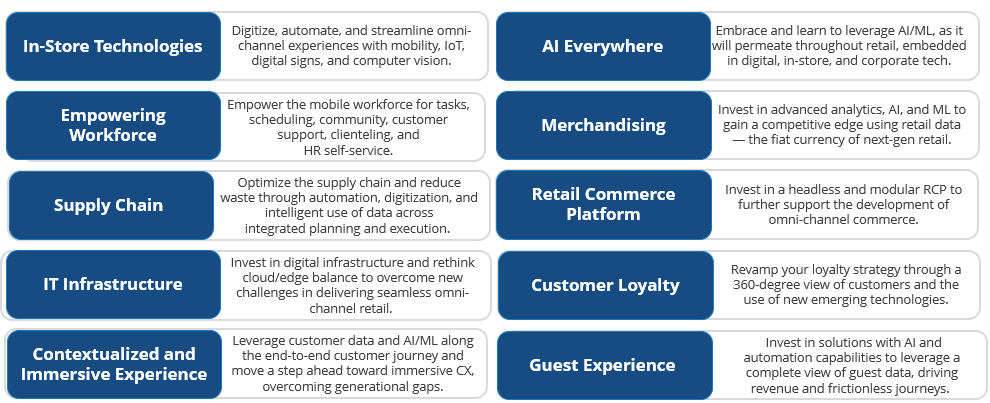
On October 13 and 14, IDC Retail Insights Team Europe joined AWS for a two days’ AWS London Analyst Tour to give first-hand examples of how technology enables innovation of the entire retail value chain, transforming retail fulfillment and physical store operations to better serve customer experience in real-time.

On day one of the tour, the analysts visited two fulfillment centers, Ocado’s CFC4 fulfillment center in Erith, and Amazon’s Tilbury fulfillment center (FC), while stores in Central London were the focus of day two with visits at Amazon Fresh in Hackney, Sainsbury’s in Holborn and Nike Town in Oxford CircusIn this post, we briefly summarize what we saw during the tour and why this is significant for the retail industry.

Automation for Efficient and Sustainable eCommerce Fulfillment: Day One, Ocado’s CFC4

On a cloudy Thursday morning, we left St Pancras for a one-hour minivan ride to Ocado’s CFC4 in Erith, East London. The site, a 600,000 square feet fulfillment center, is the company’s largest CFC globally and does stand out for the high level of automation that characterizes the facility.

Erith’s CFC4 is an outstanding example of the application of Ocado Smart Platform (OSP) in large-scale grocery distribution. OSP is Ocado’s proprietary technology that leverages a combination of AI, machine learning, robotics, IoT and data science to boost efficiency and flexibility in highly complex end-to-end eGrocery operations.

According to Ocado, OSP improves dramatically efficiency of fulfilment operations—99.9% fulfilment accuracy vs about 80% of other leading UK supermarkets—and ensures waste reduction by making operations more sustainable. Logistics and fulfillment operations play a huge role in meeting customers’ expectations, improving efficiencies and making operations sustainable, currently among the top retailers’ priorities.

That is why more and more retailers are deploying advanced analytics and automation to streamline logistics and fulfillment. Over 70% of retailers confirm their plans to adopt AI and cognitive for order orchestration and robotics for warehouse automation, latest IDC research reveals.    

As we visited the facility, what stood out was the large area dominated by a seemingly immense grid surface on which thousands of bots move around at lightning speed in apparently random directions. On the grid, bots travel at a speed of 4 meters a second, with 5 millimetres of distance between them.

Of course, their journey on the grid is not random. Bots are orchestrated, not autonomous, and operate through a proprietary RF solution designed by Ocado to ensure ultra-low latency which is needed given the high density of the bots on the grid and the speed at which they move around. Ocado partnered with AWS to run its thousands of OSP’s microservices in the cloud and ensure bots and operations orchestration.

The circa 3,000 robots are working non-stop for 20 hours a day, picking up to 2 million food items in a shift from 50,000 individual chilled and general grocery products. An average 45 items grocery order is completed in 5 minutes. Scalability and the impossibility of a single point of failure, both ensured by the modular nature of the OSP and its orchestration on AWS cloud, is the huge advantage of Ocado’s technology stack, which makes it suitable not just for Ocado’s operations but also to the requirements of other grocery retailers worldwide—including Groupe Casino, Auchan, AEON and Kroger, who partnered with Ocado to power their eGrocery operations.

Empowering Workforce in eCommerce Logistics: Day One, Amazon’s Tilbury FC

Sun was out as we approached Amazon’s FC in Tilbury in the afternoon. The Tilbury FC is one of the largest European Amazon’s TC, with 2.2 million square feet facility over 4 floors.

The FC is highly automated with extensive use of technology including robotics, AI and computer vision in all aspects of operations, all brought together and enabled by AWS cloud-native services. Over 2,000 people are employed at any given time in the facility, showing how despite the high level of automation, the employee remains key in retail fulfilment operations.

The FC provides a great example of augmented workforce by showing how technology is helping people to work efficiently. According to latest IDC Retail Insight research, 43% of retailers consider as a high priority to empower their staff by providing employee experience services, with the right technologies and tools to perform tasks timely.

We started our visit from the sorting stations, located on level 2,3 and 4. At this stage, staff pick items from boxes received from the inbound area, and put the products in yellow stacks based on their weight. Lights are guiding the staff by showing them where to place the item in the stack. The stacks are then moved around by an army of about 4,000 autonomous bots that fit under the stack and use AI and algorithms to sequence the tasks they need to perform.

QR codes printed on the floor are scanned by bots’ cameras and sensors to make them find their way around the massive facility area. While bots are fully autonomous and not controlled by humans, employees in control areas—workstations that look like bank’s trading rooms on which operation flows are shown on numerous displays—overlook every aspect of the process and alert colleagues on the shopfloor if any issue arises.

The next step is the picking area, in which staff collect items from the stacks and place them in black boxes, or totes, in a reverse process. The products are picked in sequence, so at this stage, the staff is not putting together a single order, but rather an aggregate. The boxes are then placed on spiral conveyor belts that move the totes down to the ground floor to the packing stations, where employees pick items from the totes and place them in pigeon-hole wall units, in which each hole corresponds to single customer orders.

On the other side of the wall, staff members pick items from the holes, pack them in single orders and put barcodes on the boxes for identification.

In the last mile of the process, the boxes are placed on a conveyor belt in the slam area, where robotic arms scan the labels and check if the weight of the box matches the content the label describes – if not, the box gets expelled from the belt for a member of staff to check it up. At the end of the conveyor belt, employees pick the boxes and place them in containers that are forklifted on outbound trucks to be taken out of the facility to sortation centers closer to the end shopper for last-mile delivery.

Unleashing the New Role of the Physical Store: Day Two, Central London Stores Tour

Hailed by another cloudy morning, day 2 focused on the application of technology in physical store environments to deliver more engaging, frictionless, shopping journeys and improve the customer experience. The physical store remains crucial in omnichannel retail, but its role is changing as the brick-and-mortar store becomes increasingly connected and integrated with the entire omnichannel experience. The visit offered great examples of how the role of the physical store is evolving in the context of today’s omnichannel shopping complexity, as we cover more in-depth in IDC PeerScape: Practices to Enable the New Role of the Physical Store.

We started our tour at Amazon Fresh convenience store in Hackney, one of the most recent additions to Amazon’s autonomous stores network in London, and continued the morning with a visit to Sainsbury’s first autonomous store, Smartshop Pick & Go, in Holborn.

The two stores deploy AWS technology—cameras, sensors, AI, and computer vision— to offer a fully automated grocery shopping experience that removes any possible point of friction, making the trip to the shop quick and effortless. Shoppers can scan their app to be identified as they enter the store, pick up items from shelves, and walk out without going through checkouts as the technology detects shoppers’ purchases and charges them accordingly through their app.

We ended our tour with Nike Town in Oxford Street, the company’s flagship store for the UK, for an example of what experiences technology enables in non-grocery physical store shopping. While with the grocery stores priority was given to reducing frictions, the focus of the application of the technology in the sportswear and lifestyle brick and mortar retail store rests on the personalization of the customer journey and in merging digital and physical.

The Nike App is the interface that enables the shopper to access personalized offers, benefits, and experiences, such as Find and Research, which enables shoppers to reserve an item on the app for in-store collection, Nike Scan, through which shoppers can scan barcodes on the item to access product information such as sizes and color availability and request store staff to try the item on, and Triggered Reward, which sends shoppers personalized alerts on exclusive promotions based on their location in the store.

Key Takeaways: Learning Points from the AWS London Analyst Tour

What we saw during the AWS London Analyst Tour are significant examples of how technology is instrumental for retailers to streamline future-proof omnichannel retail operations. As IDC’s recent survey results show, over the next two years retailers plan to invest in incremental and emerging technologies to improve new customer loyalty mix and CX personalization, enhancing sensory and immersive commerce.

At the same time, the Tour confirmed how leading retailers are already preparing for the future of omnichannel retail. Ocado showed us how to drastically increase efficiencies and pursue sustainability goals through clever automation.

Amazon reminded us that automation and AI need to empower the workforce, as staff remains key to navigating the complexity of today’s omnichannel fulfillment. Finally, the visits to Amazon Fresh, Sainsbury’s and Nike Town are significant examples of how to transform the physical store to make it a central piece of the new omnichannel customer journey.