AI is driving one of the most significant shifts in enterprise technology—but as you’ve seen, just having an AI-powered product won’t guarantee success. Midmarket tech vendors must do more than position AI as an innovative feature; they must prove its real business impact to skeptical tech buyers who don’t know as much about your product. They just know about the world they are entrenched in—which is often very different from yours.

AI Adoption Is Surging—But Buyers Need More Than Hype

AI-related spending is set to reach $371.6 billion by 2027 as businesses shift from experimentation to targeted AI investments.

But tech buyers are demanding more clarity, proof, and measurable business value. They aren’t just looking for AI—they’re looking for vendors who can:

For midmarket vendors, the challenge isn’t just selling AI—it’s marketing AI effectively in a way that resonates with buyers.

Your AI Story Needs More Than Features—It Needs Proof

Tech buyers are overwhelmed with AI messaging. What they need is a clear, compelling reason to choose your AI-powered solution over the competition.

  • AI Features Alone Won’t Differentiate You – The market is crowded with vendors claiming AI superiority. To stand out, you must showcase how AI solves specific business challenges and improves key metrics.
  • Buyers Want Data-Backed Confidence – 69% of B2B buyers are more likely to engage with marketing content if it’s backed by credible, personalized data. Vendors who provide benchmarks, case studies, and independent validation will gain trust faster.
  • The AI Buying Journey is Complex – AI isn’t a plug-and-play solution. Buyers need education, implementation guidance, and risk mitigation strategies. The best marketers will position their companies as strategic advisors, not just vendors.

How Midmarket Vendors Can Win in AI Marketing

Lead with Business Value, Not Just Technology

  • Show how your AI solution reduces costs, improves efficiency, or drives revenue—not just how it works.
  • Speak in the language of business decision-makers, not just technical buyers.

Back Claims with Data and Real-World Examples

  • AI skepticism is high—buyers want quantifiable proof of success.
  • Use case studies, benchmarks, and IDC-backed insights to validate your claims.

Target the Right Buyers with Tailored Messaging

  • AI adoption varies by industry and business size—a one-size-fits-all approach won’t work.
  • Identify your ideal AI buyers and tailor messaging to their specific challenges and priorities.
  • Assess infrastructure readiness—do they have the foundation to support your AI solution?
  • Highlight key differentiators that make adoption easier, such as AI model training, data labeling, and ongoing support.

Help Buyers Navigate the AI Learning Curve

  • Offer clear guidance on implementation, integration, and ROI measurement.
  • Position your company as an expert resource, not just a seller.

AI is Reshaping Tech Buying—Are You Ready?

By 2026, 65% of individuals will rely on GenAI-powered search and engagement. Vendors that adapt now—by refining their messaging, proving AI’s business impact, and guiding buyers through adoption—will win market share.

Move Beyond AI Hype—Lead with Clarity and Proof

The AI market is evolving fast, and midmarket vendors who can position AI as a must-have business enabler—backed by real-world proof—will dominate.

AI alone won’t drive revenue. But the right AI marketing strategy will.

Buyers Don’t Just Need Opinions—To Drive Results, You Need to Offer Them Data-Backed Guidance.

SAP’s new subscription offer, “SAP ERP, private edition, transition option,” expected to be available by 2Q25, will give SAP customers an additional three years to transform their ECC6-based legacy SAP systems.

Customers can subscribe to this new option from 2031 until 2033, as a natural extension of the current extended support period that runs to 2030, which also requires a premium. Mainstream support is set to end in 2027.

The offer is being introduced amid a tense environment for SAP customers. Many organizations have already migrated to SAP’s cloud options: One-third (34%) of European organizations currently use S4/HANA Private Cloud Edition. But many customers are still at the beginning of their transformation path.

According to an IDC study, 17% of European organizations currently have no migration plan, and 7% remain undecided. Another key point is that the RISE with SAP program has attracted only 7% of organizations planning to migrate to S/4HANA in the coming months.

In a blog post, SAP shared further details about the new offer:

• It applies only to ECC — not the entire Business Suite 7 — with SAP validating eligible systems.
• It targets large-scale, complex SAP implementations engaged in the RISE with SAP program.
• Adaptations will be required to subscribe to the new offer, including data transformation efforts and addressing dependencies on third-party technologies. The subscription will be limited to the HANA database.
• Eligible organizations are required to migrate to S4/HANA private edition before the end of the extended maintenance period in 2030.
• SAP emphasizes that this is not an extension of the maintenance period but a new subscription service.

Impacts on Service Providers

As highlighted in IDC MarketScape: European SAP Modernization Services 2024 Vendor Assessment (IDC, December 2024), service providers play a pivotal role in SAP migration and modernization strategies across Europe.

The dual focus of service providers is a key trend: enhancing the value proposition of RISE with SAP while positioning SAP modernization as a cornerstone of broader business transformation. Migration to S/4HANA is framed as a critical step in overall enterprise modernization.

The introduction of this transition option requires service providers to adjust their strategies and emphasize certain services.

Strengthening Assessment and Consulting Services

Developing robust consulting services is crucial for assessing legacy systems. This involves analyzing the current state of the code base, system dependencies, and architecture, and discovering business processes.

By offering in-depth assessments, providers can help orgs build tailored modernization road maps aligned with corporate strategies. Many service providers have enhanced their expertise in process mining, often using tools like Signavio (or Celonis or their own internal tools), and have established dedicated centers of excellence across Europe.

The new subscription offer reinforces the need for these assessments. We believe service providers should:
• Evaluate existing systems for compatibility with SAP HANA (the only supported database).
• Help clients manage third-party software dependencies.
• Develop extended road maps that fit both business objectives and operational constraints.

Additionally, providers will need to guide clients on cost analysis to weigh the benefits of the new offer, particularly in cases where completing the migration by 2030 may not be feasible, or what would be the cost of the transformation with RISE with SAP, including in the new subscription.

Build Long-Term Customer Relationships

The new subscription and extra period should push service providers to start creating long-term modernization plans that balance evolving business needs and IT budgets. This involves fostering deeper client relationships with SAP users targeted by the new subscription.

Integrate AI to Optimize Business Processes

The integration of AI will play a central role in business process transformation by 2025, according to SAP’s roadmap. Service providers can embrace a long-term vision and capitalize on this by offering AI-driven process optimization and further enhancing the value of RISE with SAP.

Providers will need to implement training programs for both developers and end users to ensure broad adoption of new models and systems. This requires repositioning key roles (e.g., SAP developers) to transition from managing highly customized code to supporting externalized, standardized processes under the RISE with SAP model.

Change management will be critical, particularly for organizations with complex processes. They will increasingly demand structured, gradual change management programs from their partners to ensure both technical and organizational readiness.

Enhance BTP and Integration Services

Expertise in SAP’s Business Technology Platform (BTP) has become a market differentiator. The new subscription option will likely push service providers to focus on deeper integration services, AI, and third-party cloud services to rebuild business processes on top of S/4HANA.

For large-scale projects, balancing a “clean core” of standardized processes and customized processes will be critical, making integration via BTP a must-have capability.

Modernize Data Models and Streamline Data Migration

Data modernization is a core component of the HANA migration process. Providers will need to help businesses redesign data models and develop tools and accelerators to streamline the transformation. Many providers are partnering with specialized vendors such as SNP. These efforts will be vital as organizations assess the feasibility and costs of migrating to HANA while leveraging SAP’s new subscription model.

IDC has published a number of documents designed to provide a better understanding of the SAP systems modernization market and the role played by service providers in this context.

These include:

The IDC MarketScape: European SAP Modernization Services 2024 Vendor Assessment (IDC, December 2024) analyzes the positioning of service providers in Europe and their service portfolios when it comes to SAP modernization.
SAP Modernization Services in Europe: Insights from IDC’s 2024 European Cloud Survey (IDC, December 2024) provides insights into organizations’ intentions on the transformation of their SAP systems, in particular the evolution of S4/HANA private edition and public edition implementations in Europe.

Cyrille Chausson - Research Manager, European Application Modernization Strategies - IDC

Cyrille Chausson is a research manager within IDC's European Cloud Innovation, Services and Skills research team. Based in Paris, Cyrille is responsible for IDC's European Application Modernization Strategies research program. In his role, he offers insights into trends, market dynamics, and strategic investments pertaining to application transformation, migration, development, and delivery. Cyrille's research primarily focuses on the opportunities and challenges that application modernization presents to service providers and IT buyers, as they transition to more digital-oriented organization and models.

The European Union’s Ecodesign for Sustainable Products Regulation (ESPR) will come into force on June 20, 2025. It will introduce a new framework to make electronic devices more sustainable. This law goes beyond energy efficiency by mandating durability, repairability, recyclability, and extended software support for smartphones and tablets. The ESPR is within the EU’s broader aim to create a circular economy that reduces electronic waste while making sure consumers get access to devices that last longer and can be repaired.

This regulation presents both operational challenges and strategic opportunities for smartphone manufacturers. Complying with it will require significant changes in how they design their products, manage the supply chain, and handle after-sales customer service. While initial costs may rise due to higher material standards and new repairability requirements, manufacturers that quickly adapt could boost their market position.

The Impact on Smartphone Manufacturers

One of the key pillars of the ESPR is durability. Devices will need to meet stricter requirements for resistance to drops, dust, and water ingress. This will likely push manufacturers to redesign their products, particularly when it comes to protecting from water ingression, the second-largest cause of damaged smartphones (Read more about the Impact of Liquid Damages in my article).

While this may initially increase production costs, it can also lead to fewer warranty claims, lower returns, and a stronger reputation for reliability. Brands that embrace this shift early may gain a competitive edge by positioning their products as premium, long-lasting investments.

Battery performance is another focal point of the regulation. To comply, smartphones must maintain at least 80% of their initial capacity after 800 charge cycles. This pushes manufacturers to invest in higher-quality battery technology, potentially leading to innovations such as more energy-dense cells or modular battery designs. Additionally, the push for removable or easily replaceable batteries could reshape product engineering, affecting device thickness and aesthetics. While these changes may add complexity to design processes, they also provide an opportunity to differentiate in a market where battery life remains a critical consumer concern.

Repairability will become a defining feature of future devices. Under the new rules, smartphone manufacturers must ensure that critical spare parts, including batteries, screens, cameras, charging ports, and buttons, remain available for at least seven years after a product is discontinued. Additionally, these parts must be delivered within a maximum of 10 working days, ensuring timely repairs and reducing consumer reliance on device replacements. The legislation also imposes new disassembly requirements, making it easier for professional repairers and, in some cases, consumers to replace damaged parts using basic tools. This prevents manufacturers from using proprietary designs or software locks that restrict third-party repairs—a common industry practice that has previously driven up repair costs and discouraged device longevity.

From a business perspective, these regulations introduce new revenue opportunities in the form of refurbished and certified pre-owned devices. As consumers gain access to affordable repairs and extended product lifecycles, demand for manufacturer-backed refurbishment programs and trade-in services is likely to grow. IDC forecasts that trade-in used smartphone sales will grow on average 6.7% between 2023 and 2028 to reach $94 billion by 2028.

Although PCs are not yet part of this legislation, last year at the Mobile World Congress, I witnessed brands moving beyond the traditional approach of simply incorporating recycled materials and reducing carbon footprints to a more strategic approach of repairability by design (Read more here).

Software upgrades are another crucial area. The ESPR mandates that operating system updates must be available for at least five years after a device is discontinued. This prevents premature obsolescence, addressing one of the most common reasons for smartphone replacements. However, it also presents challenges for manufacturers, particularly those dependent on frequent hardware-software upgrade cycles to drive sales. Companies will need to balance regulatory compliance with revenue strategies. While most brands already provide five-year upgrades on their flagship and premium devices, extending this to mid-range handsets will be particularly challenging for many smaller brands. The six-figure cost reported by some brands will make it impossible to continue offering mid to low-end devices long-term. This will compel them to reduce the number of devices in their portfolios and weaken their position against more prominent brands.

Strategic Implications for the Industry

The ESPR represents a fundamental shift in how the smartphone industry must approach product lifecycle management. Companies that fail to adapt will risk fines, supply chain disruptions, and reputational damage. However, those who proactively integrate sustainability into their core strategies can benefit in several ways.

Early adopters of the regulation can establish themselves as leaders in sustainability, gaining an advantage in a market increasingly influenced by environmental consciousness. With consumers becoming more selective about the sustainability credentials of their purchases, companies that highlight durability, repairability, and eco-friendly design can create strong differentiation.

Furthermore, regulatory alignment is crucial for market access. The EU remains one of the world’s largest and most lucrative consumer electronics markets. Brands that do not meet these new requirements could face import restrictions, compliance-related delays, or reputational setbacks, ultimately losing market share to more forward-thinking competitors.

Supply chain optimization will also become a priority. The emphasis on repairability and spare parts availability encourages a shift from a linear economy model (produce, sell, discard) to a circular economy model, where devices are repaired, reused, and resold. This could lead to new revenue streams in refurbished devices, leasing models, and extended warranty programs. It also means manufacturers must rethink their supplier relationships, ensuring consistent access to high-quality components over a longer period.

The Consumer and Sustainability Perspective

For consumers, the ESPR brings several significant benefits. By ensuring smartphones last longer and can be easily repaired, the regulation reduces the financial burden of frequent device replacements. This is particularly relevant in an era of rising electronic prices, where consumers are looking for greater value from their purchases.

Beyond cost savings, the regulation addresses the growing e-waste crisis. The smartphone industry generates millions of discarded devices each year, with only a fraction being properly recycled. By mandating longer-lasting products, the ESPR directly contributes to waste reduction, minimizing the environmental footprint of smartphone production and disposal. This shift aligns with growing consumer demand for ethical and sustainable technology choices.

Transparency is another key aspect. The introduction of standardized energy labels and repairability scores will allow consumers to make more informed decisions. By having clear, accessible information on battery longevity, durability, and repair costs, buyers can prioritize products that align with their sustainability values and long-term needs.

Conclusion: A Pivotal Moment for the Smartphone Industry

The EU Ecodesign for Sustainable Products Regulation is not just a regulatory challenge—it is a defining moment for the smartphone industry. While compliance will require significant adjustments, the regulation also opens doors for manufacturers to rethink their approach to design, customer engagement, and business sustainability. Manufacturers should view this legislation as an opportunity to innovate and create new business models. This could include offering extended warranties, repair subscriptions, or trade-in programs that incentivize responsible disposal and recycling.

Companies that embrace these changes can build stronger, longer-lasting relationships with their customers while reinforcing their commitment to environmental responsibility. As sustainability continues to shape consumer preferences and regulatory landscapes worldwide, proactive adaptation to the ESPR can serve as a blueprint for future-proofing business models and maintaining a competitive edge in an evolving market.

Francisco Jeronimo - Vice President, Data & Analytics - Devices - IDC

Francisco Jeronimo is VP for Data and Analytics at IDC EMEA. Based in London, he leads the research that covers mobile devices, personal computing devices, emerging technologies and the circular economy trends across EMEA. His team delivers data on personal computers, tablets, smartphones, wearables, PC monitors, PC gaming, enterprise Thin Client devices, smart home, augmented reality and virtual reality, and sales of used devices. He provides in-depth analysis of the strategies and performance of the key industry players.

Multilateralism and collaboration are surrendering to unilateralism, bilateralism, and competition in international relations. In this competitive and volatile geopolitical context, AI has become one of the most popular battlefields for nations competing for economic and security leadership.

Once upon a time, AI technologies were of interest primarily to researchers, tech firms, and specialized business and government teams that used them to help detect fraud, for example. The introduction of GenAI has changed all that, catapulting AI into the consciousness of regular employees and citizens.

Although our understanding of its real impact on business and our personal lives continues to fluctuate between hype and worrying ramifications, one thing is clear: AI is driving political agendas.

Nations are implementing digital sovereignty policies and strategies that encompass AI sovereignty as a bulwark of economic competitiveness and security. Two years after the release of ChatGPT, the world is reaching a climax of these AI sovereignty political power battles.

On January 13, the U.S. Department of Commerce’s Bureau of Industry and Security, still under the Biden administration, announced export controls on advanced computing chips and certain closed AI model weights, alongside new license exceptions and updates to the Data Center Validated End User (VEU) authorization.

The same day, the U.K. Secretary of State for Science, Innovation and Technology presented the AI Opportunities Action Plan, which sets the goal for the country “to provide global leadership in fairly and effectively seizing the opportunities of AI, as the U.K. have done on AI safety.”

One week later, under the new Trump administration, the Stargate Project, a $500 billion four-year initiative to build new AI infrastructure for OpenAI in the United States, was announced. A week after that, the DeepSeek frenzy disrupted financial markets. On February 11, the President of the European Commission announced a plan that aims to mobilize €200 billion for AI. Even emerging countries, like Kazakhstan, are making their own investments.

From an economic competitiveness perspective, political leaders want to promote the growth of the national AI innovation ecosystem and ensure the resilience of their AI supply chains. From a national security perspective, they consider AI a means to protect their countries from kinetic and non-kinetic threats.

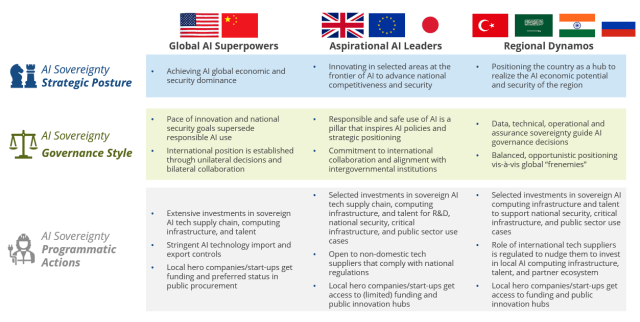
In this fast-evolving landscape, three archetypes of AI sovereignty are emerging. Countries’ positioning across the range of archetypes indicates how policy and regulation will evolve and impact technology suppliers.

The Three Archetypes of AI Sovereignty Policy

A full analysis of AI sovereignty policies — and their theoretical foundations in geopolitical strategies or data protection — is beyond the scope of this blog post. However, it is possible to compare archetypes by observing key dimensions, including:

• The strategic posture of the country defines what the nation commits to in the long term.
• The approach to AI governance determines how policymakers make decisions.
• The programs a country puts in place determine how the long-term vision translates into execution.

Taking those dimensions into account, three AI sovereignty archetypes are emerging.


Figure 1 — AI Sovereignty Policy Archetypes

  •  Global AI Powerhouses: There are just two global powerhouses: the U.S. and China. They aim for dominance. They have the power to unilaterally make decisions and bilaterally influence partner countries. They prioritize being at the frontier of technology innovation over responsible AI innovation. They take different approaches, however: The U.S. allows the private sector choose whether and how to develop and use AI responsibly and ethically; in China, the national government applies more direct control over private sector practices. Both have the sheer critical mass for heavy investments across the AI value chain, from talent to the raw materials that go into chips manufacturing. They have such a big internal markets, both from the supply and demand perspectives, that they can afford to dictate a “made in …” approach to public procurement.


  • Aspirational AI Leaders: This cluster includes countries or regional blocs like the U.K., the EU, and Japan. It is important to note that within the EU, for example, there are nuances in terms of balance between EU multilateralism and partnerships with the U.S. or other countries. These countries aspire to leadership status but they simply do not have the critical mass on their own to dominate. They thus selectively invest in strategic areas, such as AI computing infrastructure for R&D, national security and defense, critical infrastructure protection, and public sector AI use cases. They keep their markets open for collaboration with non-domestic tech suppliers that comply with their regulations. The U.K.’s AI Opportunities Action Plan, for example, acknowledges that “Sovereign AI compute will almost certainly be the smallest component of the U.K.’s overall compute portfolio.” These countries are making a political and strategic commitment to responsible use and safe use of AI by fostering multilateral collaboration, and prioritizing investments in open source, such as the new European Commission plan. They apply a strict approach toward data protection risks. The strict approach to data protection and the ethical use of AI, which inspires policies and regulations like the EU’s GDPR and AI Act, can increase the cost of doing business for international tech suppliers. These countries are also investing in digital inclusion, for instance, by supporting the development of LLMs that cater to minorities.


  • Regional Dynamos: This cluster includes countries like Saudi Arabia, India, Türkiye, and Russia that aspire to become the kernel of regional AI economies, under their political influence, while establishing a foundation to influence the global AI market. Saudi Arabia’s National Strategy for AI, for example, aims to “Position KSA as the global hub where the best of Data & AI is made reality” and, by 2030, to compete on the international scene as a leading economy utilizing and exporting data and AI. Some, like Russia, are more aligned with one of the powerhouses. But most regional dynamos take an opportunistic approach to governance and international collaboration to accelerate their economic competitiveness. They are open to non-domestic tech suppliers because they need to fill AI supply chain, AI computing infrastructure, and talent gaps. However, they have set up regulatory and financial incentives to ensure that global tech suppliers commit to making local investments, hire local talent, and collaborate with local partners.

The Silver Lining for the Tech Industry

In a complex and competitive geopolitical environment, tech suppliers that need to make AI supply chain, computing infrastructure, product and solution, talent, marketing, and sales investments should carefully align their strategic choices to maximize the ROI they can realize in different countries and regions.

  • With respect to global AI powerhouses, tech suppliers should prioritize one of them in terms of AI supply chain and AI computing infrastructure. They should leverage closer alignment with that powerhouse as a door opener to strengthen their positioning in partner countries. But they should also continue to observe the evolution of AI innovations developed by opposing powerhouses. This is important to understand how their road map and ecosystem could benefit from those innovations. They should also consider selected reseller agreements to go to market with an opposing powerhouse.


  • With respect to aspirational AI leaders, tech suppliers should position the breadth of their AI solution portfolio to show business and government buyers in different countries how their solutions can provide speed of innovation, agility, and scalability. Suppliers can enhance their positioning in these countries by helping local ecosystem players get value out of government AI innovation programs. They should articulate how they can provide tools and practices to help assess the risks of AI and innovate responsibly, in line with ethical principles, security standards, and regulations.


  • With respect to regional dynamos, tech suppliers will have to selectively coinvest with local partners in AI computing infrastructure, open innovation hubs to collaborate with partners and customers, and train and hire local talent.


Tech suppliers that do not consider these AI sovereignty policies when making strategic decisions risk losing market share — or worse, they may face compliance actions by government regulators.

Massimiliano Claps - Research Director - IDC

Massimiliano (Max) Claps is the research director for the Worldwide National Government Platforms and Technologies research in IDC's Government Insights practice. In this role, Max provides research and advisory services to technology suppliers and national civilian government senior leaders in the US and globally. Specific areas of research include improving government digital experiences, data and data sharing, AI and automation, cloud-enabled system modernization, the future of government work, and data protection and digital sovereignty to drive social, economic, and environmental outcomes for agencies and the public.

The Asia/Pacific region, which serves as the world’s largest manufacturing and consumer hub, is expected to continue growing despite challenges such as a sluggish global economy, higher interest rates, material cost inflation, and protectionist trade policies.

Governments across the region, including those of China, India, South Korea, Taiwan, Singapore, Malaysia, and Thailand, are actively supporting the manufacturing sector. They are rolling out initiatives to accelerate digital transformation, improve connectivity infrastructure, and promote green economy practices, opening new opportunities for both manufacturers and technology vendors.

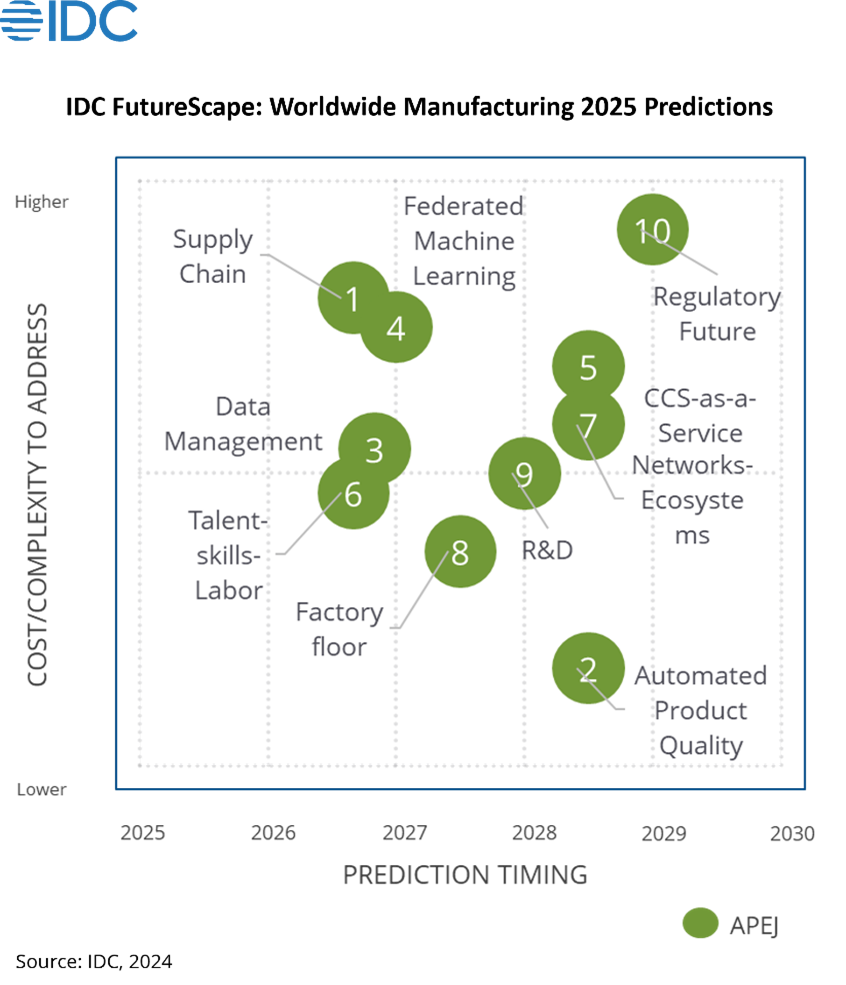
Looking at these market dynamics and technology adoption trends in the region, IDC published its FutureScape Worldwide Manufacturing 2025 Predictions – Asia/Pacific (excluding Japan) Implications report to provide organization decision-makers with an actionable investment plan with respect to technologies as viable enablers.

Each prediction is presented based on timeline projection, complexity assessment, and organizational impact. It also includes insights into regional use cases and examples, as well as the regional outlook for manufacturing over the next five years.

The following are some of the key predictions for Manufacturing in Asia/Pacific (excluding Japan):

AI and Automation: Unleashing Next Level Production Efficiency

Supply chain complexity and competition in Asia are intensifying as manufacturers face mounting cost pressures. The cost of raw materials continues to rise, driven by factors such as global supply constraints, fluctuating commodity prices, and regional demand surges. Shifting customer preferences are leading to shorter lead times and fluctuating order volumes, adding further complexity to an already intricate supply chain.

To overcome these challenges, manufacturers must prioritize flexibility and productivity efficiency to achieve operational excellence and boost their perfect order (PO) rate, a critical metric for fulfilment success.

This sparks a renewed interest in adopting technology solutions to integrate production process with supply chain management. According to IDC’s Manufacturing Industry Core Survey, July 2024; 30% of APAC manufacturers responded that advanced planning and scheduling (APS) solutions significantly contribute to helping their organizations achieve operational KPIs. AI/GenAI, can significantly enhance performance and integration between different systems and processes.  

As a result, IDC predicts that by 2027, resiliency pressures and AI opportunities will drive more than 30% of Asia-based Top 2000 (A2000) manufacturers to invest in new advanced planning & scheduling deployments, leading to PO rates of above 95%.

The Intersection of Complexity and Quality in Modern Manufacturing

Ensuring impeccable product quality is a constant pursuit for manufacturers, demanding constant vigilance and adaptation. The growing complexity of manufacturing processes and materials has resulted in the emergence of a new set of challenges. The rapidly growing variety of potential defects, coupled with limitations of real-world testing data, can impede the effectiveness of conventional inspection systems. These limitations can lead to missed defects, ultimately impacting product quality, consumer trust and may cause the potential risk of regulatory violation.

GenAI can improve quality initiatives in multiple ways. GenAI can significantly streamline data management by efficiently collecting, organizing, and summarizing vast amounts of structured and unstructured data from diverse sources, including design, manufacturing, supply chain, distribution, customer feedback, and service support. This centralized data repository enables AI-powered analysis to identify potential risks, inform decision-making, and optimize processes.

Additionally, through synthetic data augmentation, GenAI can facilitate comprehensive and accurate simulations, aligning product development with stringent requirements and customer preferences simultaneously saving time and resources. As a result, IDC also predicts that by 2028, 40% of APeJ manufacturers will be leveraging GenAI to automate product quality management and improve development time/cost by 10%.

For example, Bosch, a renowned industry leader, has already successfully implemented AI-powered image recognition for quality control. However, given their already high manufacturing standards, acquiring sufficient data on product defects to train their AI system proved challenging. To overcome this limitation, Bosch turned to GenAI, which enabled them to create a vast dataset of synthetic defect images from a relatively small number of real-world examples. This innovative approach accelerated the training of their automated optical inspection systems, allowing for earlier detection of potential issues in the production process.

Leveraging Ecosystem Alliances for Sustainable Growth

Fluctuating market demands and geopolitical tensions, has led to significant disruptions in raw material supply chains. Rising logistics costs and workforce shortage further cause costs and productivity challenges. Manufacturers across the region are compelled to re-evaluate and adapt their supply chain strategies to ensure business continuity. In this context, supply chain reliability has emerged as a critical competitive differentiator, particularly for industries reliant on timely service parts delivery.

Customers today demand high levels of uptime and efficient support, as outlined in their Service Level Agreements (SLAs). Delays in procuring necessary parts can lead to costly operational disruptions. To meet these stringent expectations, manufacturers are expanding their spare parts ecosystems. By ensuring a ready supply of critical components, manufacturers can expedite repairs, minimize downtime, and ultimately enhance customer satisfaction. Customers now seek proactive service, not just reactive repairs. They desire assurance that their equipment will be serviced promptly, enabling continuous operations and reducing risks.

As a result, IDC predicts that, because manufacturers are unable to meet global repair SLAs, by 2028, 40% of A2000 manufacturers will expand its spare parts ecosystem partners across the supply chain to confidently deliver resolution and customer outcomes.

For example, Samsung Electronics has launched an online Supplier Portal to attract potential new suppliers, aiming to strengthen its supply chain and mitigate associated risks. Samsung’s dedicated internal team, the International Procurement Center, operates as the central procurement hub, tasked with identifying top-tier suppliers in strategically important regions across the globe.

Expanding the spare parts ecosystem provides opportunities for revenue growth, as companies can offer premium support packages with prioritized service levels, attracting customers who value reliability. This approach strengthens customer relationships, builds loyalty, and differentiates the manufacturer from competitors by ensuring high standards of service and reduced equipment downtime.

Call for Actions:

  • Conduct a thorough assessment of business and operational points and develop a phased automation strategy that aligns GenAI/AI investments with business priorities for maximum impact.
  • Organizations need to evaluate their existing technology infrastructure and identify connectivity gaps to build connected ecosystems to increase process visibility and ensure interoperability and compatibility for successful deployment. It is important to choose the right architecture (on-premises or cloud-based) and data platform that aligns with their specific requirements and have scalability in mind.
  • Establish a cross-functional data governance team to define data quality standards, implement automated data cleaning pipelines, and enforce strict validation checkpoints at data entry, integration, and model input stages, ensuring AI and GenAI models consistently receive high-integrity data for optimal decision accuracy.
  • Strategized and establish a robust data governance framework. Consider implementing a centralized data management platform with strict access controls and data privacy policies. Periodically conduct regular data quality checks and audits to review performance and monitor benefits and outcomes from the initiative.

To learn more about IDC’s top 10 predictions for the Asia/Pacific (excluding Japan) Manufacturing Industry, click here. For specific recommendations for tech vendor sales and marketing leaders to understand clients’ priorities and enhance their storytelling and go to market plans, click here.

Get a better understanding of the foundations for advanced AI-driven capabilities to build a future-ready supply chain, attend this on-demand webinar.

Wai Yee Lee - Senior Research Manager - IDC

Wai Yee Lee is a research manager for IDC Manufacturing Insights and responsible for Asia/Pacific manufacturing and supply chain trends and best practices. In her role, she helps semiconductor manufacturers and their partner organizations maximize the benefits of their digital transformation journeys. Her primary research focuses on technology adoption in addressing industry challenges for the entire manufacturing value chain. She has a particular interest in semiconductor and electronics manufacturing.

The wave of GenAI-based innovations from contact center vendors is impressive, but these innovations will only succeed if customers adopt them. To achieve this, practical issues must be resolved — and the onus is on vendors to address them.

Clear communication about what GenAI entails and how it links to business outcomes is crucial, but this requires overcoming both hard and soft challenges. There is a gap in the market between vendors and the partner community, including service providers, telcos, and all those involved in taking solutions to end users. Many practical requirements can be addressed by partners.

Often, the focus is on deploying partners to sell solutions rather than helping with the foundational layer needed for the success of new technology — in this case, GenAI. Partners, with their long-standing relationships with customers, are well positioned to understand where customers are in their journey and what they need to implement GenAI successfully.

The following are several ways partners can help fill the gaps to make GenAI use a success.

Communicate What Implementing GenAI Entails

Last year, the hype around GenAI made it a priority for business leaders who were often driven by a fear of missing out. This created both a sense of urgency and of desperation. Insufficient time was given to understand the complexity of implementing GenAI, making it prone to failure.

GenAI’s scope is extensive and diverse, and it is a transformative force. It can drive efficiency in contact centers by automating complex functions that traditionally require human intervention.

GenAI-based virtual agents can deliver human-like experiences previously not possible with basic bots or even conversational AI. They can augment human agents by guiding them through their tasks.

Supervisor work can be simplified by automating forecasting, scheduling, and easing performance and quality management processes. Contact center leaders can gain data-based insights for strategic directions.

However, many ifs and buts must be addressed for GenAI to work — and it’s important for customers to understand this before jumping on the bandwagon.

Identify and Overcome Infrastructural/System Challenges

The efficacy of GenAI depends on the existing infrastructure/system, and partners can help identify specific use cases based on the supporting system. For example, some GenAI functions require an organized knowledge base, which is often not available. Therefore, initial use cases should be straightforward.

Some capabilities, such as summarization, do not need extensive data sources or a knowledge base and can be implemented easily, with benefits quickly visible, such as helping agents save time by automating post-call administrative tasks.

Finally, partners can play a crucial role in structuring and consolidating data sources. Where there are infrastructural/system gaps, partners can help fill these gaps as the first step by implementing the right solutions before exploring GenAI use cases.

Fill Skills Gaps

Apart from data sources and supporting infrastructure, having the right skills to drive GenAI is very important. Agents need to be comfortable using GenAI and should be supported with training.

A group of agents could be deployed as champions of GenAI to help colleagues make the best use of the tools and accelerate adoption. Human expertise is also needed to update and maintain the knowledge base, place security guardrails, and monitor results.

Partners can work with customers to identify skills gaps and develop a clear plan to fill them.

Address Human Concerns About GenAI

Use of GenAI does not depend solely on technical aspects. Human concerns about GenAI need to be addressed when contact centers consider such solutions. Partners can help manage this process.

There is persistent fear that GenAI will replace human workloads and agents will lose their jobs. This may lead to resistance and reluctance, which will impact adoption. GenAI is still in its infancy as a transformative technology to handle all customer engagements due to system limitations that pose many risks (e.g., leakage of confidential data or providing incorrect information).

There thus needs to be a clear classification of interactions that can be shifted to virtual agents and those that still need human intervention.

The next question is how will shifting calls to virtual agents impact human agents: Are they at risk of losing their jobs?

If so, these individuals could be placed in different roles. GenAI is creating new roles involving the development and management of AI-based interactions. Human agents can be trained to transition to these new roles, creating new opportunities for career growth and making the job more exciting.

The negative energy around GenAI could become positive.

Develop the Right ROI Accounting for Transformative Changes

ROI is the single most important consideration driving investment in new technologies, including GenAI. However, given GenAI’s transformative power and wide-reaching impact, ROI cannot be viewed conventionally.

There are many intricacies in measuring ROI, and partners can help redefine it for customers. ROI has traditionally focused on monetary benefits: higher revenue and lower costs for a better operating margin.

GenAI can help reduce costs by shifting some traffic to virtual agents, allowing contact centers to save by reducing the number of agents. However, this can be a short-sighted approach for something as transformative as GenAI.

It should not be seen as a tool to reduce overhead costs but to create more opportunities within contact centers. Transferring transactional calls to virtual agents means human agents can focus on calls that require critical thinking, making their jobs more interesting.

GenAI support will help human agents perform better, reducing stress and burnout, meaning they can stay in the role and enjoy it. Customers who receive quick resolutions through virtual agents and do not have to wait in long call queues are more likely to be happy and refer the brand for good customer support.

Customers served by happy agents and who receive personalized service will have an exceptional experience and may share it on social media. The ROI equation should extend to good/exceptional experiences for customers and employees instead of just monetary value.
Service that delivers a good experience will eventually lead to good results.

Change Management and Support with Culture Shift

Contact centers have reached a crossroads where they must shift from old to new ways of working due to changing demands. Partners can help communicate this message clearly, explain why it is important, and put together a concrete change management plan with guidelines.

Today’s customers have heightened expectations for exceptional service. They want personalized, quick, and convenient services, accessible through various channels — text, messaging, websites, social media, email, conventional voice calls—from any device (mobiles, PCs, laptops). Cloud platforms make it possible to consolidate customer data and unify front and back offices to provide integrated and coherent service.

However, none of this will work if contact centers do not prioritize customer experience and appreciate that employees are the driving force. This involves a massive culture shift.

The metrics used to evaluate contact center performance, particularly agents, need to evolve alongside a changing landscape. It is not just about the number of calls answered and their duration, but whether customers felt connected with the agents and had their issues resolved satisfactorily.

To achieve this, agents need to be supported with the right tools, including GenAI-based tools, incentivized through appropriate compensation packages and career growth opportunities, and managed flexibly.

Using GenAI should be part of this equation and driven as part of a culture that prioritizes happy customers.

Conclusion

GenAI is a disruptive force capable of transforming contact centers for the better — but its implementation is complex and needs to be well thought out, covering every aspect of operations. It is not something that can be rushed.

The starting point is realizing that there is a new wave, and the old ways are becoming obsolete. However, this transformation is not easy. Vendors need to explore the opportunity at the pace of their customers, but this may not be the best use of their time — they should focus on innovation. They can collaborate with partners to drive the transformation and lay the foundation, creating a win-win situation for all.

IDC’s contact center research — with its in-depth coverage of the market, including detailed regional views — supports both vendors and the partner community to help drive the adoption of GenAI-based solutions.

Oru Mohiuddin - Research Director - IDC

Oru Mohiuddin is a Research Director in the European Enterprise Communications and Collaboration team. Based in London, she is responsible for IDC’s coverage of Unified Communications and Collaboration in the region. Her work focuses on tracking the markets for premise-based and cloud solutions and new developments and trends, particularly in the light of changing work patterns impacting the traditional mode of enterprise communication. Prior to joining IDC, Oru worked for Euromonitor International, where she focused on Future of Work and technology in the SMB context. She also worked in New York and Bangladesh and speaks English and Bengali. Oru was awarded Chevening Scholarship by the British Foreign and Commonwealth Office to pursue her MSc in International Development from the University of Birmingham. In addition, Oru has a BA from Marymount Manhattan College in New York.

Every year certain technology trends stand out. Few bring about as much change across both technology and business operations as much as AI has in 2024. AI has altered the way organizations consider cloud, driving new business and cloud requirements and introducing new use cases. The hype around AI has also created a sense of agency around change.

IDC’s quarterly Cloud Pulse survey (which surveys up to 1,700 cloud buyers each quarter) and the Cloud Adoption Trends and Strategies programs at IDC have been carefully tracking the maturation of cloud. Through surveys and industry conversations, our teams have been gauging the shifts in requirements of cloud buyers. These are the ten standout cloud trends from 2024 that vendors need to be aware of as they look to meet cloud buyer needs in 2025.

Cloud Transformation

With so many organizations looking to modernize and change their cloud, services around cloud migration, integration, and assessment were in high demand. Equally high was the focus on cloud transformation initiatives (many of which come bundled under broader IT transformation projects).

Around 60% of cloud buyers told IDC’s 3Q24 Cloud Pulse Survey October 2024 that their business’ IT or digital infrastructure currently requires major transformation, and 82% said their cloud also required modernization. Hence, 2024 has been a pivotal year for identifying where cloud strategies need to mature or change. The introduction of new AI requirements has added time pressures to the job at hand.

Business Goals Are Now Technology Goals

Cloud transformation may have been an initiative desired by cloud teams in 2023, but it became a driver of the business in 2024 as organizations pivoted to become more digitally – and AI – enabled. Organizations are now thinking like digital businesses, and this is rapidly changing what they require of technology and how they measure tech success.

In 2024, for the first time ever, when asked what their business’ goals were, Cloud Pulse respondents said overwhelmingly the top goals were focused on AI: using AI to drive better analytics; to improve customer experience and to drive better sales. AI is being introduced across most businesses today, and its introduction and close tie to business success means the business is now starting to measure AI and technical projects based on business key performance indicators. Line of Business has also started to have more of a say over cloud adoption decisions. This focus on business performance means that IT teams now need to be ready to pivot themselves as the business environments and requirements change and must have easily understandable reporting tools.

Automate To Overcome Management and Skills Challenges

Cloud is complex. Cloud management is even more complex as organizations adopt hybrid and multicloud strategies. The challenge to fill much-needed roles and retain staff in a highly competitive technology market is another challenge (not unique to cloud). As organizations seek to modernize cloud architectures and adopt AI, they are requiring better cloud management and new skills. This adds load onto already squeezed teams and budgets.

The skills that are most lacking right now (FinOps, containers, and serverless) cover areas that are being addressed in cloud transformation initiatives. Other areas where skills will impact cloud transformation include network automation and cloud orchestration. Many organizations are addressing skills gaps with educational projects (often with a focus on cross training and enhancing DevOps) or turning to professional services. Teams are also being trained in automation, which can drive efficiencies by removing repetitive manual tasks from operations and other teams to free up human resources and reduce costs.

Hybrid and Multicloud Capabilities Are Now Expected

Most cloud buyers will be working with more than one provider, and many are already combining the use of different cloud platforms. In Q3, 2024, 88% of cloud buyers told IDC Cloud Pulse they are deploying a hybrid cloud or are in the process of operating one and 79% are already using multiple cloud providers (this increases to 90% for those most familiar with cloud).

The challenge for many of these organizations is not one of desire to operate across environments and providers but finding vendors that offer true hybrid and multicloud capabilities. Organizations struggle still with interoperability and connectivity. This includes not only the network and challenges such as egress fees but also open APIs, thus requiring contracts that enable the right levels of flexibility. Vendors are starting to address these needs, and the outcome in 2024 has been more dynamic movement of applications or workloads between environments with organizations considering what is the best location for performance and cost.

Advancements in real-time management and monitoring tools will enable more dynamic use across platforms and lead to an increasing focus on edge computing needs. The good news is that hybrid cloud buyers are seen to have very clear advantages over those that have not adopted hybrid cloud: better ROI and faster adoption of new technologies to name a few.

Application Migration (And Repatriation) Becomes More Dynamic

This trend could have also been labelled ‘the resurgence of on-premises environments’ if we only considered the headlines around dedicated cloud use for GenAI requirements. This is not only about GenAI. Organizations are taking more of a right-fit approach to where applications/workloads and data needs to reside, and at varying parts of the application lifecycle. This is especially the case for AI workloads. Dedicated cloud is an important part of this equation for many cloud buyers, but requirements for application migration are as dynamic and diverse as application migration trends.

The biggest migration taking place in 2024 is the shift from traditional environments to cloud. The reasons for migration have shifted as well; in 2024, sustainability and GenAI were new influencers impacting migration trends, on top of efficiency, cost and performance (three reasons for migration in 2023). These migration trends are increasing the requirement for hybrid capabilities. The reasons for selecting a provider for GenAI tells a story around that application’s requirements. The number one consideration when selecting a provider for GenAI is performance and latency, the second is privacy and data protection requirements, and then data access capabilities.

Data Sovereignty Requirements Continue To Drive Dedicated Cloud Interest

The top workloads residing in dedicated cloud in 2024 are CRM, ERM and human capital which tend to deal with sensitive personal data and information. The most added workload in the next two years will be AI lifecycle platforms. It is not just workloads. Of cloud buyers’ data today, 30% is centralized in a data center, 24% is in a remote office/ branch environment and 20% is at the edge (some of this is public cloud but some is in a dedicated environment). 

Dedicated cloud is also now a favored environment for workload backups – especially for business and data management applications. Across every region, between 50% and 70% of cloud buyers want the ability to control where their data resides and increasingly their digital infrastructure as well. This is driving continued interest in dedicated cloud environments and again, placing hybrid high on the agenda with organizations realizing that dedicated cloud comes with a financial, skills, and management burden and does not deliver as fast a path to innovation and scale as public cloud options.

Risk Reduction Becomes Most Important With Disaster Recovery, Resiliency and Security

Security has always been a major concern for organizations doing cloud but with cloud underpinning so much business transformation, resiliency is becoming a more-encompassing area of concern (resiliency includes risk mitigation efforts, security and disaster recovery). When asked what is most important for their cloud investments in 2024, the ability to recover from an event – disaster recovery and backup – was the most important consideration followed by risk management and comprehensive security. This is not all about increasing business reliance upon cloud; uptime of critical environments is increasingly becoming a requirement of industry bodies, regulators, and customers. And outages and security events are now much more public.

Partners and Ecosystems Equal Innovation

The ability to provide ecosystems and partnerships is now a requirement for many organizations deploying or transforming a cloud. Ecosystems cover hyperscale ecosystems, managed service providers, and even industry ecosystems (more organizations now want their providers or their provider’s partners to offer industry and business-specific expertise). It is not only about the breadth of technologies and services offered. It is also about the ability to provide in-country solutions (think of the rise in sovereignty requirements). Cloud is also becoming more complex, and cloud buyers want to offload some of their services burden by working with primary cloud vendors that can ensure their partners across a wide variety of services are highly qualified, experienced and certified. Increasingly they want them to also vet the AI capabilities of those partners. Organizations want assurance that a provider’s partners are not biased to a single platform or provider.

Sales Support and Customer Success Engagements Matter

Through 2024, cloud buyers started to hold more value in customer services and support and they started to demand more from cloud vendor sales teams. The number of engagements with both teams have been up. Around three quarters of cloud buyers engaged their sales and account management representatives at primary providers in 2024 (not surprising given the focus on cloud transformation and the introduction of AI into the business).

Sixty-six percent of cloud buyers also engaged their customer services teams (a figure that was at 53% in 2023) and 84% now have customer services and support bundled into their contracts. Cloud buyers want these teams to be accessible and easy to reach, and they must display technical knowledge and expertise and a strong understanding of the customer’s business. Sales teams will do well if they can also be proactive and offer quick solutions to cloud challenges.

AI Will Happen in and Across Clouds

AI underpins many of the trends seen in cloud throughout 2024. We know vendors are focused on delivering AI solutions, but we still often get asked where buyers are with adoption. By the end of last year, 49% of cloud buyers had deployed predictive AI, 46% interpretive AI and 51% GenAI. Around a quarter planned across each category to deploy in 2025. When asked then who was best positioned to help them to deploy AI, 36% said their primary cloud provider followed by 21% their primary technology and infrastructure vendor (which also offers on-ramps to cloud or their own cloud services).

For training requirements, 23% preferred a dedicated hosted cloud, 23% SaaS platform and 17% public cloud and the same said a dedicated on-premises cloud and edge. The focus remained on dedicated hosted cloud for tuning followed by SaaS and public cloud and a similar trend was seen for inferencing. While hosted dedicated cloud options are favored, public cloud is still being used by about a fifth of respondents across all areas. Most vendors offer flavors of public cloud or access to public cloud and dedicated cloud today – those that do (think of the leading cloud providers) are also ahead with GenAI adoption rates.

In 2011, when Marc Andreessen famously said, “Software is eating the world,” the enterprise software market was valued at $300 billion, making up a respectable 19% of the broader IT market. Today at IDC, we project the market will skyrocket to $1.6 trillion in 2026, capturing 39% of the IT landscape.

This explosive growth means that the role of the CIO is evolving, too. Traditionally, the CIO has been responsible for maintaining operational efficiency and minimizing risks. But now, he or she is also expected to drive digital transformation and generate new revenue streams. In fact, our own research shows that 67% of CEOs expect their CIOs to lead digital transformation efforts in the next two years.

And that starts with software procurement.

Now, just saying the dreaded “p” word might trigger a stress response in any CIO who’s confronted this giant “elephant in the room.” Without the right tools and strategy in place, procurement can feel like an endless cycle of pain points — and every choice can feel like a high-stakes race. One wrong move, and you’re lagging — trampled with overpriced contracts and incompatible tech, or, worse, “supplier ghosting” when you’re desperate for support.

The good news? A new wave of AI-powered procurement platforms is stepping up to help CIOs tame the beast. They promise to make procurement faster, smarter, and more strategic, saving your organization time and resources (and, saving your sanity too).

Before we dive into why this shift matters — and how AI can transform the procurement process — let’s revisit the pain points that have been wreaking havoc for decades, starting with the all-important RFP.

The RFP Challenge: Why It Matters

Mastering the Request for Proposal (RFP) process is critical for CIOs. After all, procurement isn’t just about purchasing technology; it’s about aligning tech investments with your organization’s broader business goals, the cornerstone of digital transformation.

Traditionally, the RFP process consists of several critical steps:

  1. Defining Requirements: Identifying business needs ensures alignment between your organization’s goals and the solutions you’re seeking.
  2. Market Research: Thorough research and analysis help identify suitable vendors and solutions.
  3. Drafting the RFP: The RFP must clearly communicate the requirements to vendors, soliciting bids.
  4. Evaluation: Proposals are assessed to determine the best fit against predefined criteria.
  5. Selection and Negotiation: The best solution is selected, and terms are negotiated to establish a successful partnership.

The RFP process may seem straightforward — define the problem, invite vendors to bid, evaluate the options, and make the best choice. But if you’ve ever waded through piles of vendor responses, you know it can feel more like a maze of confusion, and losing your way comes with costly consequences.

That’s why RFPs remain one of the most valuable yet frustrating aspects of procurement. Their potential to guide informed, strategic software selection is often undermined by:

  • Lengthy Timelines: Traditional RFP processes can extend project implementation timelines by up to three times longer than anticipated. (IDC)
  • Cost Overruns: Our own research found that 44% of CIOs cited the cost of sourcing exercises as their number one pain point in 2024, with external consultants and research adding to the expense.
  • Resource Strain: IT teams, often lacking the business acumen for vendor selection, are burdened with time-intensive manual tasks like contract analysis and supplier evaluation. (CIO)

When poorly executed, RFPs can create a domino effect of delays, misaligned vendor relationships, and wasted budgets.

Of course, RFPs are just one piece of a larger puzzle. From resource-heavy sourcing exercises to integration challenges, the pain points in procurement can derail even the most promising tech initiatives.

Overcoming Procurement Challenges with AI

AI-powered procurement platforms can transform the process, helping CIOs overcome common hurdles and make decisions with confidence across the whole procurement lifecycle:

1. Streamlining RFPs
Writing, distributing, and evaluating RFPs is like reinventing the wheel every time you need a new tech solution. It’s tedious, time-consuming, and rarely yields the insights you need to make confident decisions.

Example:
Looking for a new cybersecurity solution? An AI-powered platform drafts a tailored RFP, distributes it to vetted suppliers, and evaluates the responses based on predefined criteria.

Fact: AI automates time-intensive tasks like vendor comparison, contract analysis, and data validation, slashing timelines and improving accuracy. (Financial Times)

2. More Confident Decision-Making
AI-powered tools can not only streamline research and reduce redundant trials, but they offer decision-making confidence based on insights from thousands of data points.

Example: You’re launching a new office, and your team is stretched thin. AI handles the logistics of sourcing IT hardware, comparing costs, and ensuring timely delivery — freeing your team to focus on relationships and strategy.

Fact:
AI-driven insights empower CIOs to quickly evaluate vendors with data-backed precision, ensuring alignment with business goals. (McKinsey)

3. Proactive Risk Management
AI doesn’t just find suppliers — it also screens them. From tracking delivery times to analyzing performance reviews, AI can help ensure you’re partnering with reliable vendors who won’t disappear when you need them most.

Example: AI flags a supplier’s declining performance metrics before you renew their contract, saving you from a costly investment.

Fact: AI tools quickly assess supplier risks, mitigate compliance issues, and increase transparency in the procurement process. (SAP)

4. Cost Optimization:
AI procurement platforms excel at identifying cost-saving opportunities. They’ll flag overpriced contracts, suggest negotiation tactics, and even predict future price trends so you can strike while the iron’s hot.

Example:
AI notices your organization’s historical spend on IT procurement services and recommends consolidating vendors to unlock bulk discounts.

Fact: AI-powered spend analysis highlights savings opportunities and eliminates unnecessary expenses. (McKinsey)

5. Speedy Analysis of Vendor Options
AI thrives on data. It can analyze your needs, compare thousands of vendors in seconds, and deliver curated recommendations tailored to your specific goals. In short, AI narrows the field, so you’re not wasting time on irrelevant options.

Example:
You need a new cloud provider. An AI-powered platform evaluates costs, performance metrics, and integration capabilities across dozens of vendors, instantly highlighting the best fits.

Fact:
79% of companies report challenges in purchasing B2B software and services. (CFO)

In our own studies, we’ve found that 88% of IT executives agree that AI will positively impact software sourcing and vendor selection. By integrating AI into RFPs and broader procurement processes, organizations can address pain points while unlocking long-term value.

Step Up Your Procurement Game:  Introducing IDC TechMatch

Software procurement may be the elephant in the room — but it doesn’t have to stay that way. With IDC’s new AI-driven procurement platform, TechMatch, you’ll simplify decisions, optimize spending, and keep your organization ahead of the curve, gaining a strategic advantage over your competitors.

Ready to turn procurement into a powerhouse? Discover how TechMatch can make it happen.

AI innovation is evolving fast, and DeepSeek has entered the race with an approach that’s catching the industry’s attention. By rethinking how AI models are trained and optimized, DeepSeek isn’t just another competitor—it’s actively challenging some of the most fundamental cost and efficiency assumptions in AI development.

As enterprises and AI vendors navigate an increasingly complex technology landscape, the big question is: Will DeepSeek’s novel approach shift the AI market in a meaningful way? And if so, what does that mean for AI investments, deployment strategies, and the broader competitive landscape? Here’s our perspective.

DeepSeek’s Approach to AI Training:
Optimizing Performance Without Inflating Costs

DeepSeek, a Hangzhou-based AI company, is rethinking how models are trained. Instead of relying on massive compute-heavy infrastructures, its models leverage reinforcement learning (RL) and Mixture-of-Experts (MoE) architectures to improve performance while reducing computational demands.

Why does this matter? Because for years, the prevailing belief has been that bigger is better—that increasing the size of AI models and throwing more compute at them is the only way to drive better performance. DeepSeek’s method challenges this assumption by showing that architectural efficiency can be just as critical as raw computing power.

Market Response: A New Contender Enters the Field

When DeepSeek r1 launched in December 2024, it immediately sparked discussion. Stock fluctuations among major AI players this past week reflected the market’s uncertainty—is this a true disruption, or just another competitor entering an already crowded space?

What’s clear is that DeepSeek’s focus on cost efficiency is tapping into an industry-wide concern. AI adoption is expanding beyond tech giants to businesses across industries, and with that comes an urgent need for more affordable, scalable AI solutions. DeepSeek isn’t just offering an alternative—it’s fueling a broader conversation about how AI should be built and deployed in the future.

Strategic Considerations for Technology Leaders

One of DeepSeek’s biggest advantages is its ability to deliver high performance at a lower cost. For enterprises that have struggled with the high price tag of AI adoption, this signals a potential shift.

Historically, organizations investing in AI needed substantial infrastructure and compute resources—barriers that limited access to only the largest, most well-funded players. DeepSeek’s model suggests a different future, where AI solutions could become more broadly accessible without requiring major infrastructure overhauls.

AI Efficiency: The Next Battleground?

DeepSeek’s emergence highlights a growing industry-wide shift away from brute-force scaling toward intelligent optimization. Established players like OpenAI and Google are being pushed to explore new ways to improve efficiency as AI adoption scales globally.

Companies like Writer and Liquid.ai are also joining this trend, working to develop models that balance power and efficiency without demanding excessive compute resources. This signals an industry-wide recognition that efficiency—not just raw power—may be the real competitive differentiator in AI’s next phase.

Navigating the Challenges: Data Privacy and Security

DeepSeek’s Chinese origins introduce important security and regulatory considerations. Enterprises that operate under GDPR, CCPA, or other global privacy regulations will need to carefully evaluate how DeepSeek’s models fit into their compliance frameworks.

For companies considering DeepSeek’s AI, risk mitigation strategies should include:

  • Running models in secure, isolated environments to ensure compliance with internal security policies.
  • Evaluating the transparency of AI vendors to ensure responsible data usage.
  • Assessing long-term regulatory implications when deploying models built outside of their primary market.

The Future of AI is Changing—How Will Enterprises Respond?

DeepSeek’s AI innovations aren’t just about a new player entering the market—they’re about a broader industry shift. As cost-efficient models gain traction, organizations need to rethink how they assess AI investments, optimize infrastructure, and navigate regulatory risks.

The real question now is how quickly the industry will respond. Will established players adapt to the growing demand for cost-efficient AI architectures, or will newer entrants set the pace for innovation?

One thing is clear: AI’s next phase isn’t just about scale—it’s about building smarter, more accessible solutions.

For a deeper dive into these trends, check out our full IDC research report.

Japan is vigorously revitalizing its semiconductor industry to reclaim its leadership position in the global chip market. To achieve this vision, Japan has implemented a multi-faceted strategy.

First, through strategic subsidies, it has successfully attracted major international manufacturers like TSMC to invest in advanced process technologies, thereby enhancing domestic manufacturing capabilities.

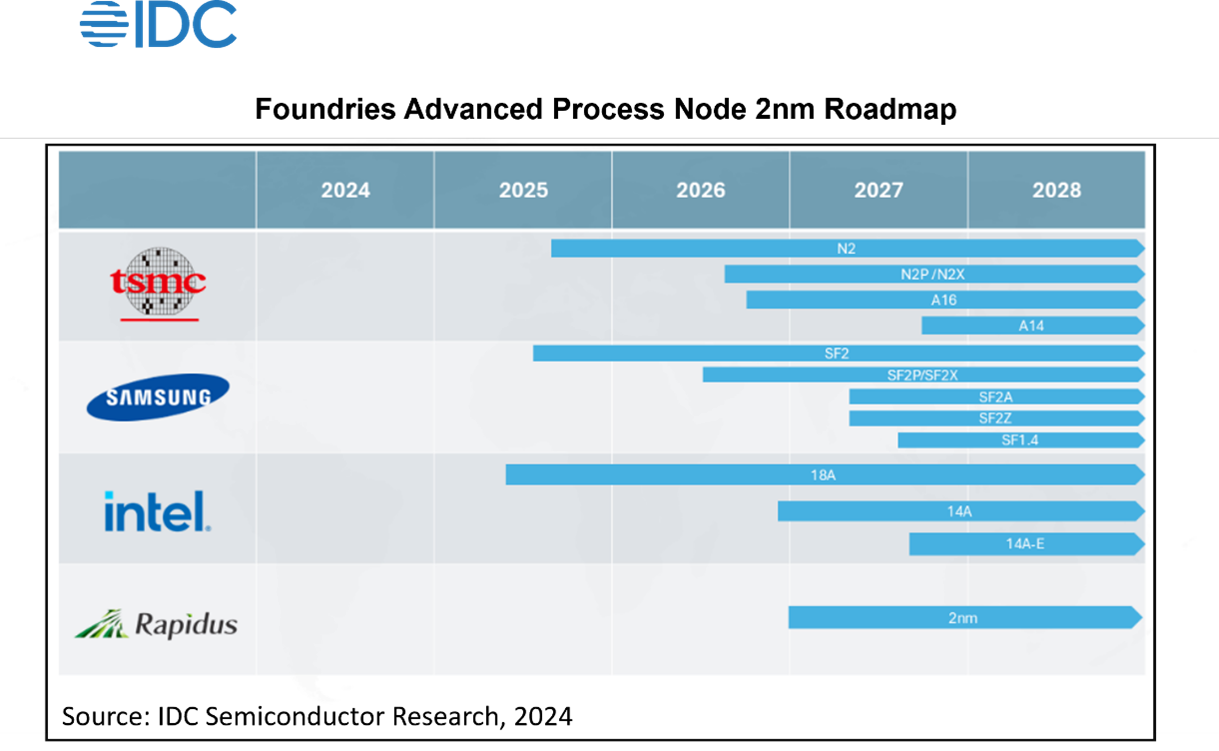
Second, it has established a collaborative model between industry, government, and academia to advance research on 2nm process technology, with mass production targeted for 2027. Japan is also leveraging its strengths in semiconductor materials to develop advanced packaging technologies based on the 2nm process.

By securing a strong foundation in mature processes while advancing advanced processes, Japan aims to achieve its ambitious target of 15 trillion yen in domestic semiconductor sales by 2030.

Due to various historical factors, Japan’s semiconductor industry has largely retreated from the global market, with limited exposure to globalization and maintaining primarily an Integrated Device Manufacturer (IDM) model. Their product applications focus mainly on mature process chips for automotive and home appliances, leaving them technologically behind leading nations. To revitalize their market position, Japan must better understand market developments and competitive dynamics.

For Japanese semiconductor companies, we believe three key developments require close attention in 2025.

Driven by AI, Data Centers Will be the Key Driver from an Application Perspective

The global semiconductor market will maintain growth in 2025, benefiting from the rising demand for AI and generative AI. IDC sees vigorous development opportunities for industries such as IoT, automotive and autonomous vehicles, terminal devices, and communications. Computing power is a must to support these.

Beyond that, coupled with the concept of sovereign AI that has gradually been emphasized by various countries, more expansion is expected in Southeast Asia, India, and other emerging markets for building new data centers. It is also expected that data centers will be the application area with the most significant growth in 2025.

2025 Will be a Critical Year for 2nm Technology

With all three major foundries entering 2nm mass production, 2025 will be a critical year for 2nm technology.

TSMC is actively expanding its fabs in Hsinchu and Kaohsiung, which is expected to enter mass production in the second half of the year.

Samsung, following past trends, is expected to enter production earlier than TSMC.

Intel will focus on 18A, which already has Backside Power Delivery Network (BSPDN), under strategic adjustment.

The above three major players will confront critical optimization challenges in balancing performance, power consumption, and cost per area with the 2 nm technology. In particular, the 2nm technology will simultaneously start mass production of key products, such as Smartphone AP, Mining Chip, AI Accelerator, etc.

By then, the yield rate of each company will improve, and the pace of production expansion will become the focus of market attention.

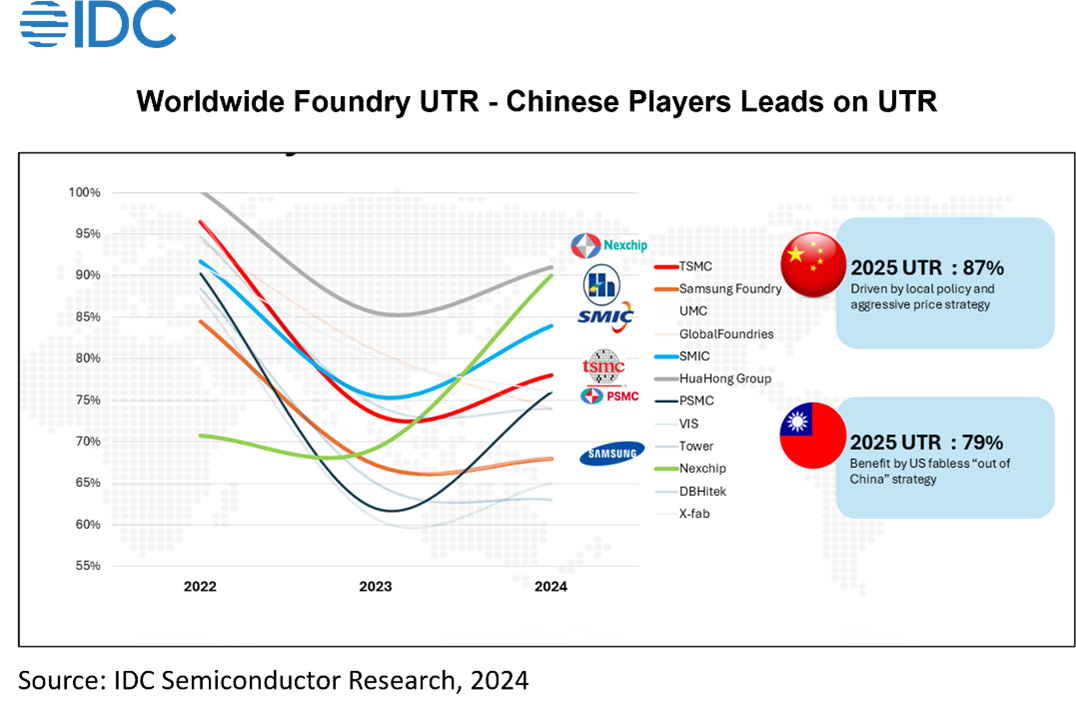
Chinese Foundry Players are Still Performing Well Despite the Trade Restrictions.

Utilization rate (UTR) of China’s foundry players remains high in 2024, benefiting from the “Design by China + Manufacturing in China” policy and its highly competitive wafer pricing. China foundry players’ UTR is expected to be approximately 87% in 2025.

Driven by the “China+1” policy, there will be more orders transferred from China to Taiwan from U.S. Fabless, which will help Taiwan foundry players’ UTR to improve. IDC expects the UTR of Taiwan in 2025 will be 79%.

Due to policy restrictions on advanced process development, China’s semiconductor strategy focuses on mature process technologies. The current government subsidies are now linked to operational performance, requiring fabs to secure orders and maintain high utilization rates. This will significantly impact wafer prices and competitive dynamics, making it a critical concern for Japanese semiconductor companies.

Japanese semiconductor companies need to closely monitor China’s development of third-generation semiconductors alongside its advanced process technologies.

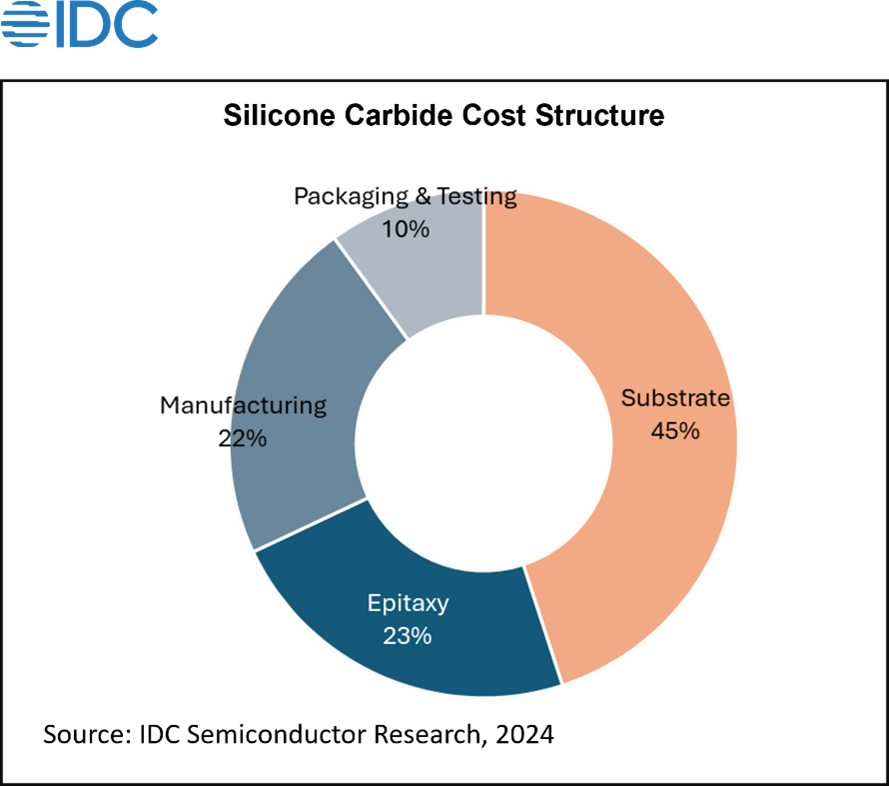
Wide-bandgap semiconductors like SiC and GaN are vital for EVs, 5G, and green energy. The substrate is usually an issue for SiC cost, but its share of the total cost goes down from 49% to 45% due to China players being aggressive in building EPI and expanding the capacity, this will help speed up the usage for silicon carbide. We expect China will drive more impact on the market after it prioritizes the development of expanding SiC and GaN markets.

The Biden administration has included third-generation semiconductors in its “Section 301 investigation” of China’s mature process technologies, particularly in light of China’s aggressive development in this sector. Since third-generation semiconductors are also a key development target for Japan’s future, China’s expansion and movements in this sector require ongoing monitoring.

Conclusion

AI has become the key to impacting the whole industry and computing power will play a very crucial role in developing and deploying AI for all applications. To support that, a leading-edge node like 2nm will be more important.

In the meantime, we expect China players will take more actions to break through in the next AI era. To cope with the changing environment in the future, Japan’s semiconductor players need to build a comprehensive strategy, more technical innovation and new cooperation alliances will be key to building competitive strengths.

Helen Chiang - Country Manager - IDC

Helen Chiang is the lead of Asia Semiconductor research and the general manager of IDC Taiwan. She is responsible for analysis, forecast, and research of semiconductor supply chain sectors such as IC design, OSAT, and Asia IC design, AI and automobile semiconductor. Since joining IDC in 2007, Helen conducted numerous research and consulting projects about semiconductor, cloud, AI, IoT, security, emerging technology and vertical market in Taiwan and across Asia Pacific region. She also provided professional market analysis and high-value consulting strategy to C-level managers. She not only leads the team to develop new market opportunities successfully, but also to provide customers with long-term growth capabilities.