B2B marketing is a dynamic landscape, ever evolving to embrace new trends and technologies. In this era of rapid change, some tools that were once staples are now being questioned for their relevance. One such tool that often finds itself in the spotlight is the whitepaper. Is the whitepaper, which has been a longstanding champion of B2B marketing, losing its efficacy?

The Evolution of B2B Marketing Tools

As the B2B marketing terrain changes, there’s a natural inclination to wonder whether certain tools have outlived their usefulness. The whitepaper, often associated with in-depth technical content, has been a trusted resource for businesses seeking to educate their audiences. However, with the rise of new content formats and the ever-decreasing attention span of audiences, there’s a growing concern about the viability of the whitepaper in capturing and retaining attention.

The Role of Whitepapers in Modern B2B Content Marketing

While it’s true that attention spans are shorter and content formats have diversified, the whitepaper still holds a significant place in B2B marketing. Its value lies in its ability to provide comprehensive, authoritative information on complex topics. Whitepapers serve as a bridge between technical knowledge and business insights, catering to decision-makers who seek a deeper understanding before committing to a solution. In other words, the information in a whitepaper can’t be easily accessed in a search engine search, making it an invaluable resource for informed decision-making in the intricate landscape of B2B transactions.

Harnessing the Power of Whitepapers

To make whitepapers effective in the modern B2B landscape, a strategic approach is essential. First and foremost, it’s crucial to identify your target audience and tailor your content to their needs. In an era where personalization reigns supreme, crafting whitepapers that speak directly to your audience’s pain points and aspirations can set you apart. Additionally, leveraging engaging visuals, infographics, and interactive elements can transform a traditional whitepaper into an immersive experience that resonates.

The Relevance of Performance Marketing Calculators

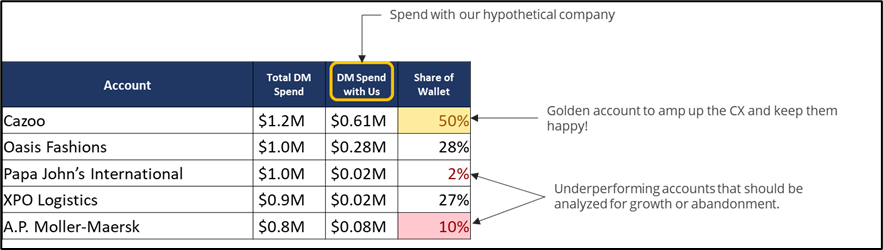
Amid discussions about the future of whitepapers, the role of data-driven insights cannot be underestimated. Enter IDC’s complimentary performance marketing calculator, a tool that offers clarity and quantifiable results in the marketing realm. This calculator, based on historical data and average channel results, provides a practical approach to measure the effectiveness of various marketing channels. By utilizing this complimentary tool, B2B marketers can gauge the impact of their whitepaper campaigns alongside other strategies.

Imagine having a content marketing tool that takes you through the effectiveness of key marketing channels, offering insights based on real data. The performance marketing calculator does just that. It guides marketers through the results of an asset, achieved from email campaigns, social media efforts, content distribution, and more. This data-driven approach empowers B2B marketers to make informed decisions and optimize their strategies for maximum impact.

Balancing Tradition and Innovation

In the world of B2B marketing, there’s a delicate balance between embracing innovation and respecting tradition. While the whitepaper may have faced questions about its relevance, it remains a potent tool when wielded strategically. To ensure its effectiveness, align your whitepaper with your target audience’s needs and preferences, and infuse it with modern elements that captivate attention.

As you navigate the ever-changing landscape of B2B marketing, tools like the performance marketing calculator offer a compass. By assessing the effectiveness of your strategies, including the whitepaper, you can refine your approach and achieve quantifiable results. The whitepaper, when approached with creativity and backed by data insights, continues to be a valuable asset in your marketing arsenal. In a world of shifting trends, the whitepaper’s longevity lies in its ability to adapt, educate, and inspire action in the modern B2B audience.

Take the First Step Towards Maximizing Your Marketing Impact:

Adoption of Generative AI by European organizations is growing and will continue to grow in 2023 and beyond. According to IDC’s 2023 Future Enterprise Resiliency and Spending Survey, Wave 5, 20% of European organizations have already made significant investments in Generative AI, while an additional 58% say they are closely looking at the business opportunities the technology has to offer.

Our data from the above survey highlights three areas in which automation and especially Generative AI is already making an impact on European businesses and their workforce:

  • GenAI for Skill Shortage Offsetting: As of June 2023, 78% of European companies report that they have deployed or are at least piloting automation technologies to offset labor shortages.
  • GenAI as Labor Replacement: 28% of European leaders have already discussed replacing employee positions with automation; 78% plan to replace up to 20% of their workforce with “digital colleagues”.
  • GenAI for Employee Augmentation: For those using automation to augment workers (not replace them), generative AI assistants such as ChatGPT, Bard and Copilot paired with data analytics and Project Management tools will be key to improving employee productivity.

Implementing AI driven technology solutions drives operational efficiencies only if they involve the workforce. Employees’ fear of losing jobs to automation is justified because the level of trust between workers and employers on job status has been eroded by companies’ readiness to lay off staff. Therefore, the use of Generative AI within the organization requires education and communication across the organization on what it is, how it will be used, and what its benefits are.

Building trust within your workforce starts with honesty. In most cases, automation will result in job losses, be clear about that. However – organizations that make the most of GenAI limit the number of employees they let go and instead refocus the affected employees into more useful and strategic work.

Many become users of Gen AI who understand the intricacies of newly automated tasks. They can not only capture ways to make automated work more effective but also implement insights to make better and faster decisions and choices. In summary: the implementation of Gen AI will drive work transformation at an exponential pace.

Register for the Webcast: Five Ways to Unlock a Purposeful, Automated Future of Work in EMEA


To successfully manage the cultural impact GenAI will have on your workforce, the following concerns need to be addressed with diligence and ethical integrity:

  1. GenAI Governance. The greater the depth and breadth of the AI solution, the more important it is to have a governance structure. Test that uses of Gen AI are working correctly, output is dependable and permissible, and the strategy/roadmap is resilient, transparent, and secure. The better the governance model the more employees can trust using their company’s automation tools.
  2. Change in Employee Roles. An organization’s work model will be affected after the implementation of specific Gen AI use cases. Where possible, employees doing repetitive work should now be shifted to doing more meaningful work. This will mean a reduction in staff, but also an increased need for trained staff supporting new business processes through Gen AI
  3. Training and Reskilling. The technology expertise required to implement AI tools must be considered in the earliest planning stages. The staff replaced by automation should re-focus on value-added work. This often requires internal upskilling or reskilling to perform more strategic tasks within the organization.

Workforce automation has grown in importance for organizations seeking greater flexibility while providing more meaningful work for employees, reducing costs, providing predictable processes for low value-add tasks, and increasing ROI. Generative AI especially is by no means a magic tool, but it can make a difference when implemented properly.

Taking the time to test out assumptions, pilot relevant use cases, and developing a mid to ling term plan is worth the time. The outcome is a more efficient, effective workplace and engaged workforce.

To fully realize the potential of GenAI, companies need to invest in frameworks which guide talent development and innovative business models that will create value for their customers, as well as their workforce.

Meike Escherich - Associate Research Director, European Future of Work - IDC

Meike Escherich is an associate research director with IDC's European Future of Work practice, based in the UK. In this role, she provides coverage of key technology trends across the Future of Work, specializing in how to enable and foster teamwork in a flexible work environment. Her research looks at how technologies influence workers' skills and behaviors, organizational culture, worker experience and how the workspace itself is enabling the future enterprise.

Complexity of the Issue and Value Chain

“One of the very nicest things about life is the way we must regularly stop whatever it is we are doing and devote our attention to eating.” –  said the Italian operatic tenor, Luciano Pavarotti.

Indeed, it is not just about satisfying a primary need, eating is nowadays more and more associated with a healthy and sustainable choice. Along the need-value continuum, the food value chain (FVC) reveals the complexity deriving from the high impact on human-wellbeing, society and the planet, the different sectors involved, without underestimating the intrinsic characteristics of food: meaning highly perishable products, that follow the nature’s life cycle.

In the grocery and restaurant sectors, for instance, the low profit margins of food are counterbalanced by other factors, such as territorial proximity with farmers and producers (Km0), the demographic concentrations and different profiles and nutritional habits of end consumers.

Food quality and safety can be at risk from different “contact points”, uncontrolled used of pesticides and/or antibiotics, cold-chain rupture, cross-contamination, inadequate storage and packaging, improper sanitary practices and international standard, spoiled ingredients, even natural disasters. These will, ultimately, impact consumers’ habits, choices, health, and wellbeing.

Beyond that, food loss and food waste call for supranational social responsibility as a guiding principle with a clear deadline: globally, there is a commitment to halve food waste by 2023.

As the Food and Agriculture Organization of the United Nations (FAO) clearly states on their website, “14% of food valued at an estimated USD400 billion is lost from harvest up to, excluding retail. 17% more is wasted at the retail and consumer levels (UNEP 2021).” Also, in 2022, as part of the “Farm to Fork Strategy”, the EU relaunched the EU Platform on Food Losses and Food Waste (FLW) and aims to operate until 2026.

Scaling Technology in the Value Chain

Leveraging technology to the benefit of safe and security across the food value chain cycle, from production and distribution to the end consumer, to ensure food quality, products traceability, and healthy habits while lowering food waste for a sustainable economic, social and environmental ecosystem is possible if the right technologies are implemented in the right way.

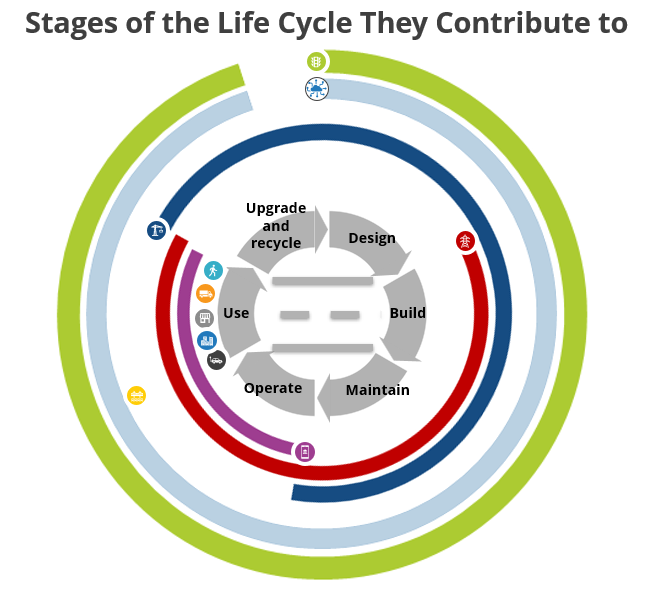
Circularity is intrinsically embedded in the production-distribution-consumption life cycle framework while technology, and in some cases ethic, can be applied across the different processes of the food supply chain: from production, through distribution, to the final consumer with the aim to control and, ultimately, eliminate food waste and losses.

Challenges of the Food Supply Chain’s Core Process

Leveraging the competencies and industries’ key trends, we have identified the top challenges that businesses and institutions need to consider:

Production & Design

Fresh products (fruits, vegetables, etc.) provenance intersects with different sectors, from agriculture and manufacturing to large scale food retail trade and stores. At the same time, the use of unusual ingredients, as insects, as well as the production of lab-grown food from cellular agriculture and genetically modified crops/livestock raise questions around the sustainability of methods used, such as maintaining freshness of products and ensuring traceability.

Climate change and increasing urbanization are also important challenges affecting the availability and productivity of farmland. This might have severe impacts on food security and overall quality of life.

Distribution

Track and trace perishable items, assuring the integrity of the cold chain are critical use cases for guaranteeing food safety and provenance. The establishment of food control systems is essential to maintain a safe and trustworthy food supply, protect public health, and ensure consumer confidence in the food they consume.

Strengthening collaboration between producers and retailers to enhance transparency while assuring confidentiality on food shelf life is crucial in achieving these goals.

Consumption

Food waste, food surplus management in the consumer industry includes food and grocery stores as well as restaurants and coffee shops. In most cases, food packaging is associated with shelf-life monitoring for disposing what have not been sold or just reducing or re-using certain food packages.

Also, food security, food safety and healthy nutrition need to be compliant with existing regulations, such as the European General Food Law Regulation, and agencies, such as the European Food Safety Authority (EFSA).

Where Can Technology Help

The field of food production is in constant development, seeking for innovative approaches and technologies to produce food more efficiently, distributing focused on the reduction of losses and do consume in a way that privileges the health of consumers and waste minimizing. Here we highlight the technologies employed in the three core processes along the food value chain:

Production & Design

Computer vision for field monitoring, IoT in agricultural devices and equipment to the internet for real-time monitoring and data collection, enabling farmers to make data-driven decisions, agrivoltaics to provide protection from environmental extreme events. Also, other technologies playing a role in food production are vertical farming and controlled environment food production, using artificial lighting and climate control to maximize production in limited spaces and reduce the environmental impact.

Robotics is automating tasks such as planting, harvesting, sorting, and packaging, reducing labor costs and increasing overall efficiency.

Distribution

Eco-friendly and biodegradable materials to replace traditional plastic packaging, enabling a circular approach to food packaging. Tracking, tracing and monitoring technology into food packaging to ensure freshness, temperature, and shelf life, extending the product’s longevity. IoT sensors providing for real-time monitoring of temperature, humidity, and other environmental factors during transportation and storage, ensuring food quality and safety.  

Artificial intelligence and machine learning algorithms to optimize supply chain logistics, inventory management, and demand forecasting. Moreover, autonomous delivery vehicles and drones are being tested for last-mile delivery of food products, which has the potential to reduce delivery times and costs.

Consumption

AI-enabled prediction of retail shelf-life for food to mobile-friendly technologies that allows customers to buy and collect food boxes from cafés, restaurants, hotels, shops and manufacturers that otherwise would go to waste, but are still under the expiration date. On the food safety side, advanced food testing methods, pathogen detection using AI and optical recognition, and food traceability systems to identify and prevent contamination issues.

Mobile apps, NFC and QR codes on packaging were being used to provide consumers with detailed product information, including sourcing, certifications, and nutritional data.


This all encompasses a continuous spectrum of need and value within the food sector, where the intricacies of the food value chain (FVC) are illuminated, showcasing their profound impact on human well-being, society, and the environment, involving various sectors, and acknowledging the inherent complexities of food itself. Simultaneously, food quality and safety face vulnerabilities from multiple “contact points,” including unchecked pesticide or antibiotic usage, disruptions in the cold chain, cross-contamination risks, inadequate storage and packaging, improper hygiene practices, international standards compliance, spoiled ingredients, and even natural disasters.

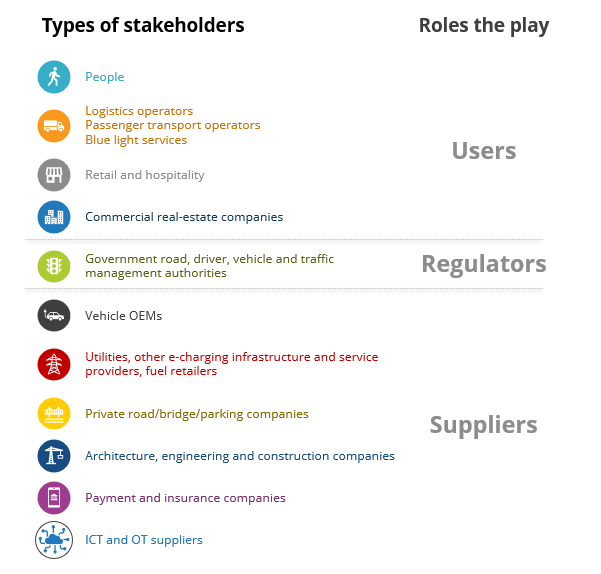
Furthermore, addressing food loss and waste necessitates a global social responsibility commitment, aiming to cut food waste in half. To solve for those complex challenges, the field of food production, consumption, and distribution, must continually evolve exploring innovative approaches and technologies that enhance the efficiency of processes at the same time create a new industry based off the interactions of the food value chain (FVC) stakeholders. AI & machine learning, IoT sensors, robotics, and even data & analytics are the service of a more productive, higher quality, healthier food ecosystem.

If you want to know more about the cross-industry research, access the European Verticals: Use Cases and Strategies

Mainframes are a staple of the European enterprise. They’re reliable, powerful, have been around for decades, and many organizations continue to use them for their most crucial business functions. Mainframe apps are common among information-intensive industries areas such as banking, government, healthcare, insurance, or utilities.

With the rise of new technologies like the cloud and low-cost servers, many predicted the mainframe’s demise. But guess what? It’s still alive and kicking, and here’s why.

Unmatched Performance: Mainframes excel at high-speed transaction processing. They handle enormous volumes of transactions swiftly and cost-effectively. This is why banks rely on them for core operations. Transactions like credit card processing and ATM withdrawals happen seamlessly, thanks to mainframes. They’re also the power behind those overnight batch runs for processing customer statements and reports.

Data Handling Prowess: Mainframes have the muscle to handle multiple terabytes of data effortlessly – the capability is vital in sectors like government, healthcare, or insurance.

Ability to Adopt: YES! Mainframes have adapted to stay relevant. Once bound to COBOL and proprietary OS, they now embrace modern programming languages like Python, Java, JavaScript, and C++. This multilingual flexibility allows them to use sophisticated tools from the x86 server world.

AI and Machine Learning: With support for languages like Scala, Python, TensorFlow, and Apache SparkML, they make interesting hosts for machine learning. It has become possible to integrate valuable mainframe data with analytics platforms, eliminating the need for data off-loading.

Security Supremacy: Mainframes rule when it comes to security. Their processing power allows for high end-to-end encryption without performance sacrifices.

So, if they are perfect, why aren’t they? Because they can also become very expensive to maintain, and often just can’t keep up with the demands of the modern world.

That’s why more and more European organizations are modernizing their mainframe applications. Skillfully done, modernization offers all the benefits of a mainframe without the drawbacks. It can help you with:

Saving cost: Maintaining mainframes isn’t cheap. There are hardware, software, and skilled personnel costs. Modernization might seem like a costly adventure, but it actually leads to significant savings in the long run.

Improving scalability and agility: Mainframes aren’t inherently scalable, which is a problem in today’s ever-changing business landscape. Migrating to new platforms allows for easier scaling and adaptation to shifting workloads.

Enhancing integration: Mainframes often use legacy technologies that make integration with modern systems and cloud services a headache. Modernization lets you embrace agile development methodologies, microservices, and containerization, making it easier to adapt and release new features.

Attracting talent: As older IT professionals retire; mainframe expertise is becoming scarcer. Modern technologies attract a larger talent pool, making it easier to find skilled professionals for modernized systems. And it is easier to maintain necessary apps.

Improving UX: Users expect web-based interfaces, mobile compatibility, and responsive design.

Mainframes struggle with this, but modernization can provide a competitive edge by improving the user experience. And modernization doesn’t have to be painful. Here are a few tips to make your mainframe modernization journey if not fun, then surely more painless:

  • Start small: Don’t try to modernize everything at once. Start with a few key elements and then gradually work your way to the rest.
  • Get help from a trusted partner: There are several companies that specialize in mainframe modernization. They can help you assess your needs, develop a plan, and execute the migration.
  • Do your research: There are a lot of different mainframe modernization options available. Do your research and choose the one that’s right for you, but be creative, don’t be afraid to think outside the box and come up with your own approach.
  • Set realistic expectations: Modernization is a complex process. Don’t expect it to happen overnight.
  • Be patient: There will be challenges along the way. Be patient and don’t give up.

Will there be challenges? There will be. Modernization can be a costly undertaking, but it’s important to remember that the cost of not modernizing can be even higher. Modernization is a complex process that requires careful planning and execution. There is always some risk involved in any major IT project. Modernization is no exception. And surely, there is a shortage of skilled professionals with the knowledge and experience to modernize mainframe applications.

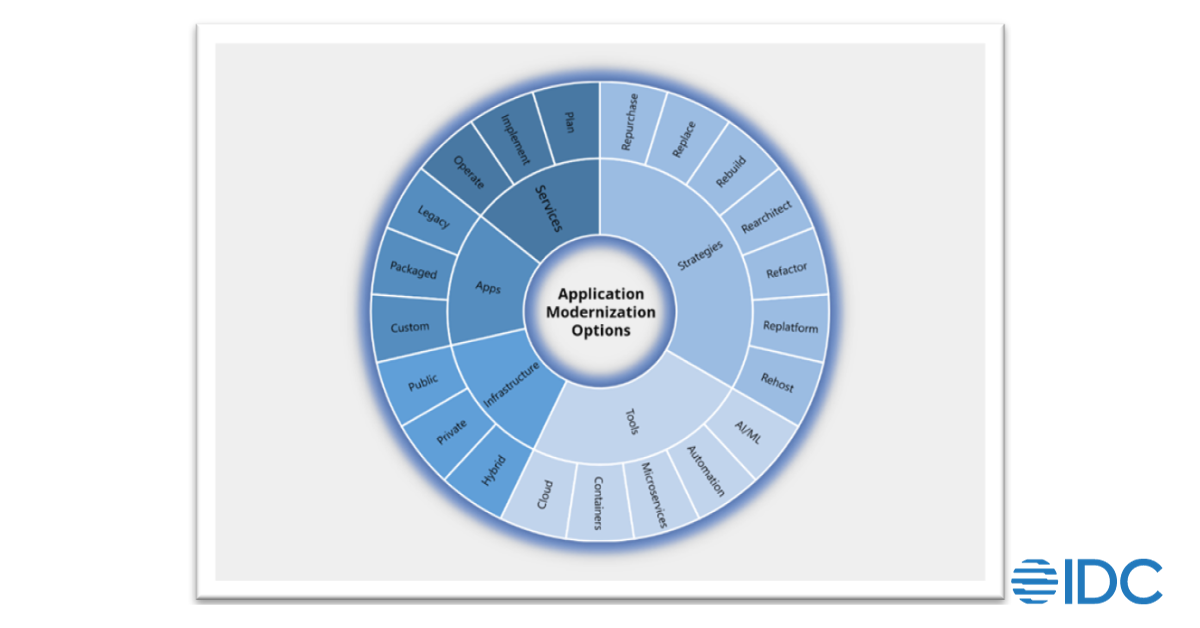
Mainframe applications are here to stay, but modernization is essential for staying competitive in today’s digital era. Whether you choose to recompile with emulators, migrate gradually, focus on component-level changes, or opt for lifting and shifting, the key is to adapt while preserving what makes mainframes valuable.


To see how European organizations approach mainframe apps modernizations, please read:

Mainframe and Cloud 1/3: What Do European Organizations Plan to Do with Mainframe Applications in the Context of Cloud?

Mainframe and Cloud 2/3: What Strategies Are European Organizations Employing to Migrate Mainframe Applications to the Cloud?

Mainframe and Cloud 3/3: Why Do Some European Companies Have No Plans to Migrate Their Mainframe Applications to the Cloud?


To see what it means for service providers, please read:

Turning Challenges into Success – Mainframe App Modernization Offers Opportunities for IT Services Providers

Ewa Zborowska - Research Director, AI, Europe - IDC

Ewa Zborowska is an experienced technology professional with 25 years of expertise in the European IT industry. Since 2003, she has been a member of the IDC team, based in Warsaw, researching IT services markets. In 2018, she joined the European team with a specific emphasis on cloud and AI. Ewa is currently the lead analyst for IDC’s European Artificial Intelligence Innovations and Strategies CIS.

Sales teams today are in a period of transitioning. They are used to selling horizontally, targeting IT departments and emphasizing product features and benefits. However, their role is rapidly evolving due to transformative shifts in the technology industry, changing buyer behaviors, the emergence of diverse personas, and an increasing demand for a value-based and outcome-oriented approach.

In this dynamic landscape, having a robust sales enablement strategy and leveraging effective sales enablement tools becomes paramount in ensuring that sales teams are equipped with the necessary strategies, tools, and insights to navigate this transformation seamlessly.

As sales professionals adapt to this evolving landscape, a comprehensive sales enablement strategy and the right sales enablement tools, become a practical guide, steering them towards success.

Understanding Sales Enablement

Sales enablement exists to enhance the effectiveness of sales teams. Sales Enablement professionals focus on the strategic alignment of sales and marketing efforts through the implementation of processes, tools, and content. This critical function ensures that the right information reaches the right people at the right time, enabling tech sales representatives to engage with prospects in a meaningful and personalized manner.

Did you know IDC has a Sales Enablement practice? It was created to empower organizations to sell more effectively and to connect and align marketing and sales efforts. Is IDC’s Sales Enablement Practice for you?

12 Key Outcomes of Sales Enablement

Sales and Marketing Alignment: A harmonious synergy between sales and marketing teams leads to consistent messaging, efficient lead handoffs, and unified customer experience, eliminating any discrepancies between marketing efforts and sales engagements.

Messaging Continuity: The consistent delivery of messaging across diverse touchpoints establishes brand credibility and enhances customer trust, ensuring that the company’s narrative remains coherent and impactful.

Seamless Buyer Journey: Mapping the buyer journey and providing tailored content at each stage nurtures prospects effectively, guiding them through their decision-making process with relevant information.

Higher Yield on MQLs Received by Sales: Empowering sales teams to effectively nurture and convert Marketing Qualified Leads (MQLs) bolsters the return on marketing investments, transforming potential leads into valuable customers.

Elevated Above-the-Line Conversations: Equipped with insights and tools, sales representatives engage in strategic discussions that transcend product features, focusing on delivering value and solving overarching business challenges.

Industry and LOB Persona Relevant Conversations: Customized content and messaging tailored to specific industries and Lines of Business (LOBs) resonate more deeply, forging connections that are conducive to conversion.

Navigating Multi-Stakeholder Selling: In intricate B2B sales environments, sales enablement empowers reps to navigate diverse stakeholders adeptly, aligning their pitches to address individual needs and concerns.

Cultivating Larger Transformative Deals: With a thorough grasp of customer pain points and solutions, sales enablement equips reps to articulate the value of substantial, transformative deals persuasively.

ROI and Value Conversations: Armed with pertinent tools and data, sales reps engage in meaningful dialogues about the anticipated Return on Investment (ROI) and the value proposition, instilling confidence in potential buyers.

Accelerated Pipeline Progression: Optimized processes and resources provided by sales enablement lead to streamlined pipeline progression, minimizing bottlenecks, and expediting the sales cycle.

Enhanced Conversion Ratios: Through focused training and content, sales enablement enhances conversion ratios by empowering sales representatives to adeptly address customer objections and concerns.

Effective Loyalty Management: Beyond closing deals, sales enablement promotes enduring customer loyalty through continuous value delivery, bolstering customer satisfaction and driving repeat business.

The role of sales enablement has transcended its supporting function to become an indispensable strategic driver of revenue growth. A well-structured sales enablement strategy, supported by purposeful tools, can align an organization’s sales and marketing efforts effectively, nurture customer engagement, and guide prospects through a seamless journey that culminates in higher conversions and enduring customer relationships.

In March 2022, IDC asked 885 European employees that had confessed to be looking for alternative employment about their motivation for doing so. The top reason was, unsurprisingly, better pay. What was more interesting was that “better working environment (i.e., a better employee experience)” was almost as high among the reasons for job change. It showed that today, work is less about paying the bills and advancing a career. It is much about personal development and fulfillment, as well as being a social and collaborative experience.

One year later, in March 2023, similar questions to 790 employees that were looking for a new job. The proportion of employees citing “better work environment / better corporate culture” was 48%, up from 42% the year before, and just 1% point behind “better pay”. So, not only are the ‘soft’ values important to employees, but they are becoming more and more important. Inflation could also play a role in this detachment from the “hard work” paradigm (i.e. hard as working hard to reach higher levels in the company / higher level of salary). The price increases undermined salaries and dream of the salary-based buying power that we saw previously.

Is it become the strenuous, ‘blue collar’ jobs are disappearing while ‘white collar’, knowledge worker jobs are taking over? The data does not support this hypothesis. All workers, regardless of whether they are desk workers or store/factory/field workers have “better pay” as the #1 motivation to look for a new job. Also, all workers have “better work environment / better corporate culture” as a key motivation for looking for a new job. Knowledge or desk workers are relatively interested in a better corporate culture, while store/factory/field workers are relatively interested in better teams / change of colleagues. Instead, it looks like all work types are becoming more knowledge intensive and bigger part of the individual identify, which prompts all employees to place higher value on work environment, culture, leadership, etc., as opposed to pay.

Dissecting “Employee Experience” to Understand Employee Work Motivation

In the March 2022 European employee survey, we also set out to understand which aspects of “employee experience” were more important to employees. We defined seven fundamental aspects of employee experience and asked the employees to rate these in terms of importance. We discovered that relatively ‘soft’ aspects of work, namely corporate culture and leadership & employer brand, were the most important factors of the seven, and more important for employees than we previously assumed.In the March 2023 European employee survey, we wanted to deep dive into the work culture and leadership aspects of the employee experience. In other words, we wanted to find out what was behind the emphasis on these topics among European employees. Again, we asked employees to rate the importance of a number of subtopics underneath work culture and leadership.

The result showed a remarkable drive amongst the employees for purpose in their work, for a sense of meaningful contribution, for personal development and for fairness. This applied to all types of workers, from desk workers over field workers to staff in stores/warehouses/factories. This drive for purpose implies a number of employee requirements around open communication, leadership integrity, fairness in recognition and compensation, etc. And these requirements are indeed reflected in the top aspects of the two pillars under investigation, work culture and leadership, respectively, as shown in the figures below.

General Implications for Organizations: New Leadership Styles Are Called For

Gone are the days of secluded top managers running organizations in separation from the myriad of employees carrying out instructions and work. Most management experts might comment that this ‘new’ style of open, visionary, and inclusive leadership have been practices for decades already. However, the results of both the 2022 and 2023 surveys suggest that most European organizations still have far to go. The survey data showed that the two most important employee experience pillars, “People-First Culture” and “Leadership and Employer Branding”, were also the two pillars with the largest gap between importance and employee’s rating of their current employer. In other words, the two pillars of the highest level of disappointment with the current employer.

The survey data also showed that for the detailed aspects of these two employee experience pillars, the most important aspects were also the aspects with the largest improvement potential. “Open and timely communication” sounds easy but is often very difficult to carry out successfully in practice. Among the general implications for organizations are:

  • Leadership development, especially in the area of soft skills, is critical.
  • Executive search must place higher emphasis on aspects such as empathy, integrity, and communication skills.
  • Enhancing work culture and leadership communication are new strategic areas where HR can make a difference for organizations.

Implications for HCM Software Vendors: New Solution Types Will See High Demand

Software solutions also have a role to play in remediation of the current culture and leadership shortcomings. In many cases, new HCM solutions will be needed to improve processes related to communication, recognition, compensation, and recruiting. We see particular opportunities in the areas below:

  • Compensation management
  • Management development training
  • Pay gap and Environmental, Social & Governance (ESG) analytics
  • Employee engagement & rewards
  • Employee performance management
  • Recruiting solutions & applicant tracking solutions


Please see the following IDC studies (behind paywall) for more information:

Bo Lykkegaard - Associate VP for Software Research Europe - IDC

Bo Lykkegaard is associate vice president for the enterprise-software-related expertise centers in Europe. His team focuses on the $172 billion European software market, specifically on business applications, customer experience, business analytics, and artificial intelligence. Specific research areas include market analysis, competitive analysis, end-user case studies and surveys, thought leadership, and custom market models.

What drives your next purchase?

The quality of the product? The quality of the services you receive around that product? How the product or service makes you feel?

The answer is probably a bit of all of the above.

An IDC global research survey on Product and Service Innovation highlighted that leaders across industries like manufacturing, retail, healthcare, telecommunications, and oil and gas listed a primary business concern of increasing customer satisfaction and delivering successful products/services. When you drill down another layer, these same leaders of strategy from the service business noted that they needed to increase service-related revenues, focus on talent, and improve collaboration across the sales, marketing, engineering, and service functions.

And as noted by The Brookings Institution, in the US and other countries around the world, spend on services is greatly outpacing that of goods. The impact and importance of the service experience on the future viability of organizations can’t be overstated.

At a keynote I participated in last year, one senior service leader remarked “Our sales team can make the initial product sale, but each additional dollar of revenue will come because of exceptional service.” But if service and support are so crucial to revenue, profits, and the customer experience why do they often take a back seat to other business functions or technology investment areas?

In my mind, there are three key pieces of the service and support story that many organizations are missing today which is leading them to miss a major opportunity and a potential differentiator for their businesses:

  1. Human interactions still matter. The shift to automated services and customer support is nothing new. It has quite a bit of utility in terms of lowering the cost of service and increasing the speed of initial response. But often the move to automation in service puts the organization’s needs in front of the customer. For example, in field service, it is much more expedient to auto-schedule the closest technician with the right parts to execute a work order. But what if the customer prefers to have their favorite, trusted field engineer come out to service the machine and they are willing to wait for them? Organizations have forgotten that more often than not, people buy from people. The field service and customer support teams deliver more than just a response or a fix to a problem, they are the face and brand of the organization to the customer. The field service technician is the person who helps a business customer keep their production line going, the medical equipment engineer ensures that the hospital’s MRI machine is able to keep that patient appointment on time, and the customer service agent is the one on the other end of the line that can keep a sometimes lonely but loyal customer engaged. And this service talent is NOT a commodity it is the lifeblood of the organization.
  2. The competition is getting better at delivering service too. The service revenue goldmine is no longer a secret. Third-party service organizations are quickly learning how to service and maintain equipment and products that they did not make or install. Regulations, like the Right-to-Repair in the US and the European Data Act, will transform who gets access to product data, who can service or repair products, and what role the customer has in their own service experience. However, despite this opening of the service economy to new entrants, the manufacturer or primary service provider has a jumpstart on the competition based on selling the initial product and initiating the experience through installation or delivery. But this initial glue needs to be shored up and not eroded through the continued delivery of value within the service experience. Each touchpoint, whether mundane like receiving a bill payment or providing a meter read, is an opportunity to deliver wow experiences. Furthermore, this initial bond is a way to better understand what customers value with the service experience earlier on and should inform what future product/service offerings are provided and what types of interactions are enabled.
  3. Customers should be a part of the service team. We have all done it. Something breaks in your house or isn’t working to spec, so you pull up the web and search for a video on how to fix it or at least diagnose what is the problem. And if the fix is more complex than ‘unplug and plug it back in’, you know you have to reach out to the service provider or manufacturer. But what happens when that provider tells you the next available service technician won’t be able to come out for two weeks. If you’re like me, you are asking yourself why exactly did I buy this product from this company and I most likely won’t make that mistake again. But in some scenarios, organizations are starting to empower their customers to collaboratively resolve issues or at least more accurately diagnose the problem to ensure if a technician needs to go out they will fix the issue on that first visit. Now some people wonder if the customer is solving their own problem would they really be looking to pay a premium for this and is this a differentiable experience. I would say yes! Product and equipment downtime, especially in a B2B world, can be measured in thousands or millions of dollars. Even in the consumer world, your time is definitely valuable, and having an issue resolved quickly is a game changer. Having access to a collaborative support agent is much more valuable than just pulling a potentially inaccurately produced self-help video and trying to the DIY in an unsupported way.

Service is more than a money maker; it is a brand builder. Quality service outcomes are becoming a pathway to building customers for life and not just the moment. Customer service leaders and C-suite executives need to keep the focus on what is the definition of value to the customer and what can’t be easily replicated by the competition. Service outcomes and enhanced service experiences must become the core of the business.

For more information on the Future of Customer Experience, read our blog:

Aly Pinder - Research Vice President - IDC

As Research Vice President, Aftermarket Services Strategies, Aly Pinder Jr leads IDC research and analysis of the service and customer support market for the manufacturer, which includes topics such as field service, warranty operations, service parts management, and how these service areas impact the overall customer experience. Mr. Pinder Jr. establishes a roadmap for organizations to better understand how technology can transform service and support functions to drive exceptional customer experiences and customer value, profitable revenue growth, and improved efficiency in the field.

The healthcare industry is one of the largest and most sophisticated energy consumers. It is responsible for 4.4% of carbon emission globally.

Hospitals, for example, are typically among a territory’s most energy-intensive buildings. A plethora of medical equipment and healthcare facilities, on which patients’ lives depend, necessitate 24/7 power supply.

And within the same hospital, each of those facilities and departments has their own requirements in terms of access, lighting, temperature and humidity, cleanliness and air filtration, availability of water, power, medical gases, and communications.

However, European hospitals must prioritize the efforts to reduce energy consumption (and limit their carbon emissions in the process) without impacting the quality and safety of day-to-day care. 56% of healthcare organizations consider energy efficiency very important or extremely important (IDC Future Enterprise Resiliency & Spending Survey, May 2023) to limit the impact of unplanned outages on care services and achieve their strategic goals.

In this context, new regulation guidelines, such as carbon neutral Europe 2050, are driving investments to build smart and green healthcare infrastructures, with new hospital projects. Many of the funding related to healthcare sector recovery and resilience have been focused toward promoting sustainable investments, circular economy models, and expanding on the results of preexisting initiatives, as for example on green public procurement or the adoption of environmental management and audit systems.

The strategic intent is the alignment of the hospital core strategy with the sustainability strategy, where actions towards sustainability goals go beyond carbon footprint but also on building stronger adaptive capacity to respond to the changing demands, delivering higher quality, healthier and greener outcomes.

Energy efficient smart hospitals, in fact, can deliver important cost savings and sustainability benefits at the same time, while enhancing adaptive capacity and resilience along the healthcare value chain.


Download eBook: Sustainability in EMEA: Opportunities for Tech Vendors, Challenges for Tech Buyers


Making Sustainability a Top Priority

While primarily built on new sustainable and environmentally friendly standards, energy efficient smart hospitals also adopt efficient and renewable energy applications in hospitals to create healthier healing and work environments, to reduce waste and improve environmental performance.

Energy efficiency is one of the key areas of sustainability initiatives. Our research confirms the strong connection between sustainability and healthcare providers’ key priorities and mission (IDC Future Enterprise Resiliency & Spending Survey, May 2023). Healthcare organizations, implementing sustainability in their operations, have experienced, or are expected to experience:

  • Improved financial performance (48%).
  • Improved patient satisfaction (42%).
  • Improved attractiveness for existing and potential employees (40%).

However, achieving greater and stronger sustainability is not the unique reason to boost energy efficiency efforts.

Re-shaping the Care Delivery Model to Be More Resilient Now and in the Future

Healthcare systems are currently working to renew the care delivery model and enhance hospitals to be more flexible to react to unforeseen events in the future and to the continuous market dynamics effects. The rising costs of energy and its impact on the overall operational efficiency are driving investments into IT infrastructure energy improvements to modernize the entire value chain to deliver higher quality, healthier and greener outcomes, positively impacting patients’ lives.

A good heating system correctly managed, for example, helps to reduce energy wastage whilst improving internal comfort conditions at the same time. Similarly, energy innovations like automatic lighting controls or the advantages of a natural and well-managed ventilation system for infection control are essential to eliminate the airborne bacteria in operating theaters and on the wards.

Embracing this new investment logic along the value chain will contribute to delivering better quality care in a more innovative way. In the long term these advantages will be translated into a more adaptive capacity and resilience of the hospitals to tackle operational challenges through a more energy efficient value chain.


Register for the webcast: Sustainability in EMEA: The Challenge of Moving from Ambition to Action


Realizing the Value of Technology Innovation

To achieve a more sustainable, efficient, and resilient approach to care, hospitals must invest in technology innovations. For 83% of healthcare organizations, a portion between 1% and 10% of their IT budget is already driven by sustainability-related actions.

From next-generation genomic sequencing to cloud computing or virtual care, technology innovations are supporting hospitals’ broader sustainability efforts. The benefits are, for example, in terms of a more efficient infrastructure, better access to health services and reduced energy consumption to travel to physical care settings.

Hence, it doesn’t surprise to see IT equipment vendors on top of the list of players to engage with when it comes to sustainability projects.

And I am sure this is just the start.

Stay tuned for upcoming research on topics such as technology innovation for more energy efficient smart hospitals and digitalization as a key enabler of ESG goals.

For any further information please contact Adriana Allocato, Research Manager, IDC Health Insights, Europe.

2023 is the year of efficiency and IT optimization.

Cloud computing continues to play a central role for European enterprise IT, so are IT costs. Consequently, avoiding or reducing cloud resource waste is a top C-Suites’ priority.

FinOps is fast becoming a critical part of IT organizations’ strategy for its systematic approach to managing costs and optimizing cloud resources. It provides insights into spending, usage trends, and preferences as well as helps in forecast and change management.

Why FinOps Is Important in Europe

In today’s fast-paced world, inflation, skills gap, supply chain disruptions, and political tensions are reshaping the tech landscape and have significantly impacted IT spend in Europe. In fact, European businesses are more likely to pay more attention to their costs and spendings.

In Europe, public cloud pricing complexity is causing a tremendous shock to customers. In fact, SaaS and software application costs related to licenses and subscriptions are the second and fifth categories that had the greatest impact on costs, according to IDC EMEA, FERS Survey Europe, Wave 1: January 20 – February 3, 2023 (N=340).

Not surprisingly, increasing vendors pricing (43%), impact of recession on expected business revenue (23%), and staff/labour shortages (22%) are among the most concerned risk factors related to the European organizations’ tech strategies and budget in 2023, according to IDC EMEA, FERS Survey Europe, Wave 5:  June 2023 (N=340).

This is bringing additional scrutiny on cloud spend and cloud ROI. Over two thirds of European organizations believe their total cloud spending is not properly utilized, according to IDC European CloudOps survey, 2023 (N=1,057). Here is where FinOps comes in.

Already 46% of organizations have adopted FinOps in Europe, albeit with varied levels of maturity. But the direction of travel is clear, and it brings huge opportunities for cloud vendors to mitigate cost risks around unused resources, costs allocation, and sustainability as a direct result of waste reduction.

Concurrently, FinOps is seen as a solution in Europe, with some cloud vendors to be very active in the first half of the year. IBM, for instance, has just acquired Apptio to enhance its leadership in the FinOps space while Datadog introduced Cloud Costs Management, which further enhances the collaboration between FinOps and engineering teams to remove friction and reduce cloud costs.

Public cloud vendors are acutely aware of the cost pressures and are investing in offering native cost optimization capabilities.

For instance, AWS Cloud Financial Management (CFM) is aimed at helping organizations measure their AWS environments’ cost while providing prescriptive guidance to cost-related pain points such as lack of visibility or instance sprawl or workload rationalization. Microsoft Azure provides multiple features such as Azure Pricing Calculator and Total Cost of Ownership Calculator (TCO) to help users estimate cloud costs.

It has Azure Resource Manager to allocate costs through the creation of tags, and Microsoft Cost Management to report, benchmark, and forecast costs. Similar tools are offered by Google Cloud Platform too. It has Pricing Calculator and Rightsize Recommender to help users compare architectures costs and provide insights on whether and where to save money.

Enterprises are looking to optimize their cloud resources, control their cloud costs, and deliver innovation while creating value to both their businesses and customers. FinOps is focused on long-term value and reliability, but the outcome of an efficient implementation can already be seen in the short time through the optimization of operations and cutting costs.

Cloud spend discipline is essential and FinOps is seen as critical now more than ever before. The good news is this demand is driving a lot of cloud vendors and third-party niche vendors to offer cost visibility and optimization recommendation platforms. It is an interesting and dynamic market, one to watch closely.


Contact Filippo Vanara to learn more about IDC’s European FinOps Research.

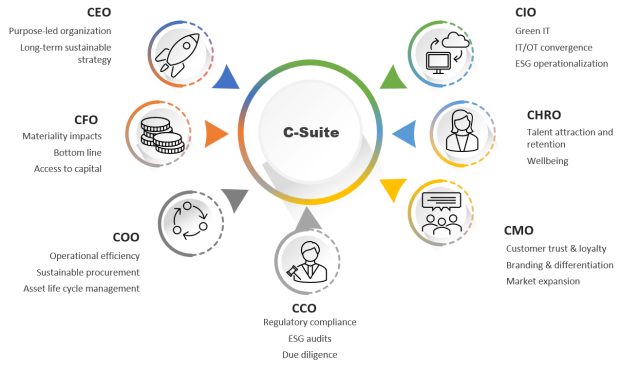
New research from IDC reveals that the larger topic of sustainability/environmental, social, and corporate governance (ESG) is now becoming imbedded into organizations’ activities, strategies, planning, and objectives to an unprecedented degree.

The information and communications technology (ICT) industry is playing a crucial role in reaching the overarching goal of net zero. ICT and engineering services focused on energy efficiency represent the means to tackle environmental challenges such as curtailing carbon footprints; a major contributor to global warming.

Creating Business Value Through Sustainability

Pursuing Sustainability Is a Business Necessity

Sustainability goals, which were once perceived as “nice to have”, became “must have” once organizations realized that pursuing sustainability creates business value. Public and private sector organizations across different continents, industries, and roles have experienced the tangible business benefits of incorporating sustainability into their operations.

This has been happening consistently through either top-line improvements, like increased revenue and profit, to bottom-line improvements like lower costs. In some cases organizations are seeing benefits in both top- and bottom-line improvements.

According to IDC’s Future Enterprise Resiliency and Spending Survey, Wave 4, almost two-fifths of line of business (LOB) managers have improved their financial performance or expect to do so as a result of sustainability-related investments.

Sustainability Is Unequivocally Linked to IT Efficiency

Forward-looking organizations understand that ESG objectives are closely associated with IT efficiency improvements. This is illustrated by the following findings from various economic sectors and business personas like IT, LOB, C-level executives, and more:

  • IT infrastructure and software efficiency improvements are top of mind with respect to sustainability-focused initiatives. 
  • Respondents from North America and Europe share the same set of leading sustainability priorities. Respondents from Asia/Pacific differed in the choice of top priorities and degree of urgency.
  • Priorities differ among industries. Manufacturing organizations regard sustainability initiatives as highly important, fully recognizing the business benefits of improved efficiency across the technology stack in infrastructure, software, and energy management.
  • Energy management/efficiency was also ranked highly in the utilities and transportation industries. Supply chain was singled out as important by organizations in retail and healthcare.

The ICT Industry Has the Means to Be Part of the Solution

ICT (both infrastructure and software), along with human capital such as IT departments, are instrumental in realizing sustainability-focused projects that help organizations succeed on their respective journeys to becoming sustainable enterprises.

The ICT industry is partly responsible for around 3–4% of global carbon emissions. At the same time, the industry has an unparalleled opportunity to become part of the solution to current ecological problems.  To do that, the ICT industry must meet one fundamental condition to enable organizations to achieve their respective sustainability goals. ICT itself must be sustainable.

Sustainable ICT

Sustainable ICT implies that ICT hardware infrastructure, software, and delivery models possess such attributes as energy efficiency, adherence to circular economy principles, and life cycle management capability.  ICT must pass the test whether sustainability attributes are embedded in ICT products and solutions, how they perform from a sustainability perspective, and how sustainable they are per se. 

IT efficiency, energy efficiency, and the extension of product life cycle, leading to a reduction in resource consumption, represent the shared attributes of sustainable ICT. This leads to reduction of operational costs, and increases attractiveness for vendors’ current and potential employees. 

Sustainable ICT pertains to the full technology stack, processes, and best practices. Yet, the key component is represented by hardware infrastructure, including energy-efficient processors, servers, ITAM/ITAD, ICT infrastructure delivery models, energy efficient ICT infrastructure like low carbon data center designs and cooling solutions, and sustainable software lifecycle.

Competitive Landscape

IT equipment vendors such as Cisco, HPE, Dell, and IBM, along with other IT product manufacturers realized the importance of sustainable IT early on and are now benefitting from their long-standing efforts to incorporate principles of circular economy and product efficiency into IT product delivery. 

IT equipment vendors hold the largest mindshare of IT users when it comes to sustainability/ESG projects. IT consultants, systems integrators and sustainability consulting specialists follow suit, as their services are in demand for two primary reasons: first, to help navigate the complex ESG regulatory environment and second, to help implement sustainable products and services.

Nevertheless, the competitive field by far is not limited to the above-mentioned groups of providers.  Thanks to the diverse nature of use cases related to sustainability/ESG, numerous ICT vendor and service providers like hardware and software vendors, cloud providers, sustainability specialists, IT engineering firms, compete for recognition, thereby enhancing the quality and competitiveness of the field.

For more insight and information on the trends in sustainability and ESG policies, please see IDC’s Sustainable Technologies and Strategies program.