What is Cloud Native?

Before diving into the topic, we need to provide some context as to what we define here as Cloud Native. A very salient question jumping almost immediately in our Cloud Native conversations is what exactly it is, what are the components that make up or not Cloud Native.

We obviously recognize that this has been a very quickly evolving topic, and depending on who you talk to, you may have different interpretations as to what comes into the composition of Cloud Native. In recent years, new technologies have gained acceptance and consumption – especially among born-in-the-cloud companies and vendors – and that can complicate discussions.

However, for us, the intersection of containers, containers orchestration (largely Kubernetes), microservices and DevOps forms the foundation to consider an application cloud native.

What’s the State of Adoption?

Today, 57% of the organizations in Europe recognize they have less than a quarter of their custom apps running in a cloud environment as Cloud Native. Further, an additional 19% of organizations have between 25 and 34% of their custom apps running in a cloud environment as Cloud Native.

So vastly, three quarters of organizations in Europe remain in the early phases of technical maturity for their cloud native app estates. Nonetheless, the ambitions for adoption are very high, whereby towards the end of 2024, 44% of organizations indicate they will have over a third of their app workloads cloud native – compared to just 25% today.

We have been gauging the appetite for cloud native application transformation for the past 3 years and every year we observe a high desire to evolve app estates to cloud native very quickly. But also, every year after, we measure different realities compared to previous year’s aspirations – where the main observation is that driving cloud native is hard.

Cloud Native is hard not just technically, but also at a higher level – at organizational and cultural level.

Looking at Cloud Native through that lens, it’s 40% of organizations in Europe that have refined and standardized their Cloud Native processes across their entire chain of activities. Yet it’s only a quarter of these more advanced organizations – or 11% of the total market – that managed to infuse continuous improvement loops in.

Those businesses are the ones that are truly reaping the benefits of Cloud Native at scale – and that typically disrupt into the rest of the market through their app delivery engines. However, progressing to this Cloud Native maturity model is a steep incline, it requires efforts and commitment from many parts of the organization and from stakeholders at the higher levels of the corporate pyramid.

Key challenges with Cloud Native

Architectural complexity is something that needs to be recognized in Cloud Native environments. Everything becomes multidimensional, highly dynamic, and transient.

There are many moving parts and the pace at which they come and go can be challenging for teams that have been working in a very linear fashion.

This cascades into challenges related to skills, automation, working in lockstep with other teams/cultural, meeting regulatory compliance, ensuring security is robust, managing technical, driving adequate observability, etc.

We see specific organizational functions being affected by such challenges to varying degrees, depending on the role they carry and the placement in the value chain. The challenges in a Cloud Native environment must be understood from the vantage point of each team/organizational function.

Considerations for Moving Forward with Cloud Native

We see that app delivery platforms, as engines for Cloud Native delivery, receive unflattering reviews in terms of satisfaction from developers. One in two developers give lukewarm assessments to the internal developer platforms they are provided.

Furthermore, one in two organizations recognizes that shadow application development happens outside their designated app development and delivery platforms.

To excite developers and drive deeper purposes for platform engineering teams, organizations need to improve their developer experience. As per IDC’s 2023 survey, unifying developer experience is viewed as the best strategy to improve performance and productivity across development teams and activities.

Developer experience becomes particularly important in a Cloud Native context, as technical, process and organizational complexity surge in Cloud Native environments.

Streamlining developer workflows brings incalculable benefits into the business, ranging from compliance to a foundation for architectural consistency, including benefits at financial level long term (e.g. standardization of apps, containment of technical drift and better management of technical debt).

Further, looking at Cloud Native from a strategic perspective, the role and importance of architecture cannot be overemphasized. IDC’s 2023 Modern App Delivery survey shows that Cloud Native is a top area that needs to be prioritized from a system design/architecture perspective over the next 12 months.

However, poor architectural decisions can be very consequential and lead to suboptimal digital landscapes, including at the level of technical debt, security, scalability and operating cost.


If you’d like to find out more about IDC’s research around Cloud Native in Europe, please contact George Mironescu, lead for IDC’s European Cloud Native and Modern App Development Strategies research program.

As businesses navigate the transformative effects of GenAI on the market landscape, understanding where and how GenAI impacts your specific markets becomes  imperative for sustained success. The question arises: Are you attempting to quantify GenAI’s impact on your current and adjacent markets? A shallow understanding of GenAI’s influence is insufficient. You need to do a deep dive into your existing market size and segments, with a keen focus on formulating strategies that not only adapt but thrive in the face of this rapid change. 

The first step is to assess how GenAI impacts your existing markets and segments. Does it represent new revenue opportunities? Does it provide differentiation in a competitive market? Is significant disruption to your core markets a risk? This introspection is crucial to identify potential threats and opportunities. But the analysis shouldn’t stop there; you need to evaluate the capabilities of your current partners. Are they equipped to weather the GenAI storm, or will their limitations impact your market standing? How about your sales teams? Can they position your existing and GenAI enabled offers against your competitors in this rapidly evolving landscape? 

Assessing Partner Capabilities and Future-Proof Collaborations 

Consider the ripple effect: How could the capabilities of your partners impact your market share? Collaborative efforts that once thrived may face challenges, necessitating a reevaluation of partnerships in the GenAI landscape. The interconnected nature of markets means that changes in one segment can reverberate across your entire ecosystem. 

To address these questions, businesses must invest time in crafting robust strategies grounded in sound data. Relying on anecdotal evidence, outdated information, or failing to get alternative perspectives can lead to misguided decisions. Enter industry analysts—seasoned professionals who can provide real, up-to-date research with an outside-in perspective to guide your strategic decisions. 

Engaging in strategy sessions with industry analysts becomes a valuable investment. These sessions not only shed light on current market trends but also anticipate future shifts influenced by GenAI. Armed with this knowledge, businesses can proactively tailor their strategies, positioning themselves as pioneers rather than followers. These sessions can also serve as the first step in building out or adjusting your market data to better account for and track GenAI’s impact. 

Customer and Market Analytics for GenAI 

Businesses should capitalize on the capabilities of IDC’s Custom Analytics, utilizing bespoke data and market models, to better inform your business decision making. These tools offer a nuanced understanding of how GenAI is shaping specific market segments, empowering businesses to make informed decisions tailored to their unique circumstances. 

Ecosystem mapping and profiling are indispensable tools in this endeavor. Understanding the broader landscape helps businesses identify potential encroachments and pinpoint areas of opportunity. By staying ahead of the curve, businesses can pre-emptively counter threats and position themselves as leaders in the GenAI-driven market. 

The GenAI revolution demands a proactive approach. To thrive in this transformative era, businesses must go beyond superficial assessments of market impact. Instead, they should invest time and resources in in-depth strategy sessions, industry analysts, and customer and market analytics to navigate the complex terrain of evolving markets. In doing so, businesses can not only weather the GenAI storm but emerge stronger and more resilient in the face of technological disruption. 

Seize the opportunities, mitigate the risks, and lead your business into a future where innovation and strategy converge. Let’s navigate the GenAI journey together

Virtual care is at a critical juncture in its development. The rapid rise of virtual care during the pandemic sparked discussions about its ongoing significance. While numerous studies have highlighted its advantages, the future of virtual care is now under scrutiny.

As the novelty effect fades, both healthcare professionals and patients are redefining their expectations and preferences, leading to valid questions about the path ahead for virtual care.

What is Virtual Care?

Definition in this space abounds, but from a general perspective, virtual care encompasses all the remote interactions between healthcare organizations and patients, enabled by digital tools to deliver health services, promote engagement and enhance health and well-being. It includes services and organizations focused on patient education and advice but also services that entail diagnosis, monitoring and treatment.

There is a broad spectrum of technologies enabling virtual care, covering connectivity, collaboration, clinical information systems, consumer technologies, MedTech, etc. These components enable communication, data exchange and analysis, transforming how healthcare is delivered and experienced.

 Main Benefits and Limitations of Virtual Care

The adoption of virtual care in European healthcare systems has triggered profound shifts and delivered benefits across multiple dimensions It has brought about notable improvements at the system level, as well as advancements within healthcare organizations. Virtual care has had a positive impact on patient outcomes and experiences, underscoring its significance in shaping the future of healthcare.

According to IDC’s December 2022 Consumer Pulse Survey, healthcare consumers reported comparable satisfaction levels with virtual visits as they did with traditional in-person appointments. When focusing on some macro-level benefits, virtual care has shown its pivotal role in healthcare by relieving ER pressure, freeing beds for patients with more critical needs, and improving operational efficiency.

For example, the English NHS recently surpassed its goal’s target of 10,000 virtual ward beds by September 2023. These beds cater to patients with conditions like COPD, heart failure, and frailty. Over 240,000 patients have been treated through virtual wards, with research suggesting comparable or faster recovery compared to traditional hospital care.

However, it is crucial for healthcare providers to acknowledge that virtual care is not without limitations and challenges, which must be carefully addressed. Without these considerations, healthcare organizations will struggle to realize the anticipated benefits, and, in some cases, they could even compromise care quality.

  • Transforming Essential Care – If We Connect the Dots: Virtual care offers convenience by allowing patients to access non-urgent medical services from home. It can alleviate strain on emergency rooms, address primary care shortages, and extend services to underserved areas. However, integration into patient records is essential for continuity of care. Technical obstacles, especially in underserved regions, require further investments in infrastructures, health information data integration and management.
  • Empowering Chronic Disease Management – If We Use the Right Tools: Virtual care positively impacts chronic disease management, but it requires appropriate engagement tools. Choosing ergonomic device design, automated real-time data collection, performance criteria (speed, accuracy, response times), and diverse functionalities (like medication reminders, predictive alerts) significantly impact the outcomes for virtual care. Striking a balance between virtual care benefits and the need for in-person assessments is vital. Understanding which aspects of disease management can be handled remotely, and which require in-person attention due to physical exams and specialized tests, is essential for comprehensive care.
  • Tackling Health Inequalities – If We Mind the Digital Gap: Virtual care aims to bridge healthcare access gaps, but the digital divide and limited digital literacy pose barriers. Health inequalities persist, with evidence of disparities in digital technology utilization. IDC research shows that the primary user demographic of virtual visits are young, urban, higher-income individuals, typically facing fewer access barriers. To tackle these disparities, virtual care solutions need to be intentionally designed to address specific barriers faced by different patient groups.

How to Future-Proof Virtual Care

Virtual care holds the potential to improve healthcare accessibility and delivery by providing care to individuals regardless of their location or the time of day. To fully harness this potential, it is crucial to thoughtfully address the challenges and shortcomings it currently faces and implement long-term strategies that facilitate transformative changes.

  • Assess Population Needs: Understand diverse patient requirements, including digital literacy and social determinants of health (SDoH). Embrace “hybrid care” models that offer both virtual and in-person options, catering to individual needs.
  • Choose Appropriate Technology: Select medical-grade remote patient monitoring devices and platforms that integrate seamlessly with healthcare professionals’ workflows. Ensure active patient engagement.
  • Establish a Virtual Care Ecosystem: Foster collaborations among healthcare authorities, provider organizations, and life science companies. Implement suitable reimbursement schemes to incentivize healthcare providers for round-the-clock virtual care availability.

At IDC we have just published a report “ IDC Innovators: Remote Patient Engagement and Virtual Care Solutions, 2023”  exploring how emerging technology vendors are supporting the evolution of  virtual care working with healthcare organizations and the broader health ecosystem.

Virtual care should not be seen just as a legacy of the pandemic-era; instead, it stands as a transformative force shaping the future of healthcare. By aligning with population needs, leveraging technology sensibly, and fostering collaboration in the healthcare ecosystem, virtual care can advance even further. Its role in delivering high-quality, accessible, and convenient healthcare services tailored to individuals worldwide will remain pivotal.

As we transitioned into a post-pandemic era, it’s crucial to fine-tune virtual care programs to fit population-specific needs and integrate them seamlessly into the broader healthcare ecosystem, solidifying their significance.

If you’re curious and want to dive deeper into this subject, consider reaching out to our IDC Health Insights team. Also be sure to check the latest research on virtual care from Nino Giguashvili, Federico Mayr and Silvia Piai

Silvia Piai - Research Director, IDC Health Insights - IDC

Silvia leads the team of analysts covering the European healthcare market and the Worldwide Medical Devices Industry. Her research provides strategic advice to end users and vendors in healthcare and life sciences, assisting organizations in understanding how technologies are disrupting and transforming traditional business models. Silvia Piai's research offers a comprehensive perspective on the foundational elements shaping the health industry's evolution. Her analysis delves into the implication of key industry trends like evidence-based medicine, personalization and integration of care services and the transformation of health industry ecosystems. Through these overarching themes, Silvia Piai offers in-depth analysis of ongoing innovations and best practices in pivotal technological domains such as AI, IoT, Cloud and industry-specific solutions.

Sales enablement leaders are constantly on the lookout for tools that can empower their sales teams to achieve greater success. In today’s competitive business landscape, sales tools such as master classes, digital coaching, sales playbooks, and buyer conversation guides have gained prominence. In this blog, we will evaluate these sales tools in terms of their pros and cons, providing sales enablement leaders with insights to make informed decisions about their adoption.

Master Classes

Master classes are immersive and comprehensive training programs that offer a deep dive into the world of sales, equipping sales representatives with a wealth of knowledge, skills, and strategies. Led by seasoned experts or industry leaders, master classes provide sales representatives with invaluable insights, real-world examples, and hands-on learning opportunities. They empower sales teams to acquire a profound understanding of their roles, boost their confidence, and refine their sales skills to drive results.

Advantages of Master Classes:

Comprehensive Training: Master classes offer comprehensive training on various aspects of sales, providing sales reps with a deep understanding of their roles and responsibilities.

Expert Insights: Often led by industry experts or experienced sales professionals, master classes offer valuable insights and real-world experiences.

Flexibility: Many master classes are available online, allowing sales reps to access training materials at their convenience, which is especially useful for remote teams.

Long-term Benefits: Master classes equip sales reps with skills and knowledge that can be applied throughout their careers, making them a valuable investment.

Disadvantages of Master Classes:

Cost: High-quality master classes can be expensive, which may not be feasible for smaller organizations with limited budgets.

Time-Consuming: Comprehensive master classes can be time-consuming, which might not be suitable for sales teams with immediate performance needs.

Lack of Customization: Master classes are typically designed for a broad audience, which may not address specific challenges or strategies unique to an organization.

Did You Know? IDC develops customized master classes that are persona- and industry-specific.

Digital Coaching

Digital coaching is a transformative tool in the sales enablement landscape, harnessing technology to provide personalized guidance and feedback to sales representatives. This innovative approach not only enhances individual performance but also fosters a culture of continuous improvement within sales teams. With digital sales coaching, sales reps can receive real-time insights, recommendations, and support, helping them fine-tune their sales strategies, refine their communication skills, and ultimately, achieve better results.

Advantages of Digital Coaching:

Personalization: Digital coaching offers tailored guidance based on individual performance, helping sales reps address specific weaknesses and improve.

Continuous Improvement: Sales reps can receive feedback and coaching in real-time, fostering a culture of continuous improvement.

Scalability: Digital coaching platforms can accommodate large sales teams and provide consistent coaching across the organization.

Disadvantages of Digital Coaching:

Tech Dependence: Digital coaching heavily relies on technology, and technical glitches or outages can disrupt coaching sessions.

Privacy Concerns: Sharing performance data for coaching may raise privacy concerns among sales reps, affecting their willingness to participate.

Did You Know? IDC offers pre-recorded video or audio digital coaching, with slides and chapters. Chapters can address different vertical markets, technology markets, and target buyer personas.

Sales Playbooks

Sales playbooks are comprehensive guides that provide sales reps with strategies, tactics, and best practices for various sales scenarios. Sales playbooks promote consistency across the sales team, ensuring that each customer engagement delivers a standardized yet adaptable experience. They act as a quick reference during sales calls, helping reps to effectively address objections, handle common challenges, and tailor their approaches to varying customer needs.

Advantages of Sales Playbooks:

Consistency: Sales playbooks ensure that all sales reps follow a standardized approach, resulting in a consistent customer experience.

Quick Reference: Sales reps can refer to playbooks during sales calls to access proven strategies and tactics.

Onboarding: Playbooks are invaluable for onboarding new sales hires, helping them ramp up quickly.

Disadvantages of Sales Playbooks:

Stale Information: Playbooks can become outdated if not regularly updated to reflect changes in the market or the organization’s strategies.

Rigidity: Over-reliance on playbooks can make sales reps inflexible and less adept at adapting to unique customer situations.

Did You Know? IDC creates customized sales playbooks with market context and background, talking points that address common buyer challenges and needs.

Buyer Conversation Guides

Buyer conversation guides provide sales reps with structured frameworks for engaging with potential buyers in meaningful conversations. They play a pivotal role in enhancing sales effectiveness by equipping reps with the right questions, key insights, and tailored messaging to uncover customer needs and provide tailored solutions.

Advantages of Buyer Conversation Guides:

Improved Customer Understanding: Conversation guides help sales reps ask relevant questions and better understand the customer’s needs.

Confidence Building: Sales reps gain confidence when they have a structured framework to follow during conversations.

Disadvantages of Buyer Conversation Guides:

Over-scripted: Overuse of conversation guides can make sales interactions feel scripted and less authentic.

Lack of Adaptability: Rigid adherence to conversation guides may hinder the ability to adapt to unique customer situations.

Did You Know? IDC creates Buyer Conversation Guides for effective discussions with executive-level buyers, demonstrating how your solutions address their challenges and drive improved business results.

Sales enablement leaders must carefully assess the pros and cons of various sales tools. The choice of tools should align with the organization’s specific needs, budget, and culture. Ultimately, a balanced approach that combines the strengths of these tools while mitigating their weaknesses may be the most effective strategy. Remember that successful sales enablement goes beyond tools alone—it involves a holistic approach that includes training, coaching, and ongoing support to empower sales teams to excel in a dynamic and competitive market.

Recommended Reading:

Modernization in the computer industry is an ongoing process.  The term ‘modernization’ is about relativity.  Theoretically, modernization is improved by replacing the established with something ‘new.’

That ‘new’ has benefitted from the passage of time that has allowed some level of improvement due to advances in fundamental elements; what is ‘new’ is somehow ‘better.’  However, only the fullness of time will accurately judge if it is better. 

In the computing industry sometimes getting one’s mind around ‘new’ and ‘better’ is not always clear. As customer expectations continue to evolve, they will demand organizations to innovate and improve experiences, and technology infrastructure will need to be enabled for change. 

Digital transformation initiatives over the last five years have brought many organizations forward in their modernization, but there is still work to be done.  Cloud-based applications in particular in the contact center continue to lag.  Some application segments quickly moved from on-premise to cloud-based deployments, such as marketing and sales applications, while others, such as contact centers, are only NOW truly embracing the cloud platform. 

In fact, it was only in the 2022 market year that contact-center-as-a-service (CCaaS) applications revenue nudged over 50% of new revenue in the market, hitting an all-time high of 54%.  Granted, the contact center environment is characterized by an enormous installed base of on-premises software, but that gives a sense of how much work is left to be done in terms of cloud-modernization. This fundamental capability will become increasingly important with the emerging capabilities coming to market through generative AI offerings.

Concurrently, while platform shifts have been occurring, the strategy and go-to-market portions of organizations have also been modernizing and have been evolving into a ‘customer experience’ orientation.  According to the IDC MaturityScape Benchmark: Future of Customer Experience in the United States, 2022 study:

‘If brands can’t meet customers where they are, then customers will quickly find the next best brand that exactly meets their needs. Differentiation then will require brands to mature and transform along critical CX dimensions that include organizational elements of customer centricity and, crucially, contextual application of the intelligence gathered about customers in a virtuous cycle of empathetic experiences that consistently address the customer’s desired outcomes.’ 

The concept of creating an ‘empathetic’ relationship with a customer is one in which the organization understands who the customer is and what that customer needs and wants.

These two areas are intrinsically linked in their requirements to modernize.  The vision of an empathetic relationship cannot be achieved without an environment in which the data about the customer can be collected, assimilated, shared, and accessed democratically.  The modernization of an organization’s architecture to one that is inherently cloud-based brings many architectural and functionality capabilities needed to treat a customer holistically.  At the top of that list are interoperability and integration.  Systems that can work together and share data and context about the customer.  Modernization of the architecture enables the modernization of customer handling. 

With generative AI impacting every market, and the power in particular of what it can do to improve customer handling, now is the time to focus on an architecture that enables the organization to harness generative AI in its pursuit of being a customer-centric organization.

Having an application architecture that democratizes data in a way that ensures fidelity and accessibility will be essential moving forward for the following attributes:

  • Insight across the entire customer relationship that is not bound by a single functional area.
  • Inclusion of all corporate roles that may have historically been left out of customer-focused initiatives.
  • Rapid Insights through real-time capabilities and not batch.

Digital environments for customer handling – think Web-chat, SMS, and mobile applications – are in rapid evolution as customer channel preference expands.  This shift is exacerbating the data volume and obscuring insights.  However, these disparate data sources must be tracked and reflected in the customer records to enable consistent and contextual customer handling.  All require a dynamic data environment.

In an ironic twist, COVID-19 was a needed cold-water bath for environments that had not embarked on the modernization of internal platforms to cloud-based platforms that would allow for the rapid deployment of work-from-home (WFH).  For all organizations, those not far along on their digital transformation journey, and those that were, COVID-19 moved those ‘nice to do in time’ to ‘do it now!’   The problem with paradigm shifts is that there is no warning.  Luckily, those DX initiatives have helped prepare for today’s next modernization initiative. 

We are now on the cusp of the next evolution that requires a platform that allows for GenAI to operate safely and accurately.  That will mean many levels of ‘modernization’ that revolve around the accuracy of data stores, the completeness of data across channels, across departments, across history, and accessibility to furnish real-time interactions that are informed and in context.  Generative AI will mean a major revamping of how we interact with many things. 

We can see that new paradigm forming and it will reveal if the new is better.  In the meantime, modernization will mean organizations are prepared to incorporate this new stage in the customer experience.

“Having a purpose is more than just a statement. It should be the glue that binds everyone together in the pursuit of success. Purpose should be the guiding principle that shapes every aspect of an organization. It should be reflected in the design of products, the management of supply chains, the employee experience, the customer journey, and the relationships within the broader ecosystem.” Roberta Bigliani, Group VP, Head of Insights, IDC EMEA.

Retailers need to balance priorities to achieve a successful customer-led retail strategy. To do so, they should begin with a purpose in mind and define roles within the organization to achieve that common purpose. Customer and employee experience are among the top priorities for digital transformation among European retailers, according to the IDC Global Retail Survey, 2023. Retailers should focus on the four Ps (People, Product, Processes, Planet) of the reverse retail experience to address customer expectations and employee experience, speed up time to market, manage value chain interactions, and ensure sustainable operations.

IDC’s Reverse Experience for Customer-Led Retail

A possible strategy for CDOs is to identify key stakeholders within the organization, define strategic themes for digital transformation, get rid of silos within the organization, and reconcile the digital strategy with company culture. To support personalized and omnichannel customer journeys, retailers should leverage the right tools to integrate the four pillars through strategic planning with a long-term vision.

AI is emerging as a key tool for companies to act on their purpose, pursue strategic priorities, and enable innovation. Here below a few examples of how AI is transforming Retail:

  • Generative AI for Enhanced Customer Service. Retailers can use Generative AI to generate high-quality content that meets the needs and expectations of their customers, while also reducing costs.

One of the common use cases in retail is order tracking, where customers can contact virtual agents (bots) through various channels (phone, chat, social media) to check the status of their orders.

Generative AI is transforming customer service by allowing human agents to focus on the issues that require their attention. According to industry sources, the bots can handle 80% of the cases without escalating them to human agents, which means faster and more efficient service for the customers.

  • Responsible AI for Customer Trust. AI is shaping how companies communicate with customers and the extent to which they meet their expectations. Good intentions are often not good enough with AI, and the use of AI must be done responsibly with respect for human values and ethical principles.

So what can companies do to use AI responsibly? Setting out AI principles, including accountability, privacy, sustainability, safety, and inclusivity, that are applied whenever AI is used, can be a winning approach. AI trustworthiness must be ensured at each step of the customer journey to build lasting relationships with their customers.

  • AI for Empowered Store Associate. AI/ML can support store associates in becoming more effective in their interaction with the customer through greater access to customer information, enabling better recommendations and offers to each customer, and increasing their satisfaction and loyalty.

Crucially AI can also simplify the life of the customer in-store, by offering them tools and features that enhance their shopping experience. For example, a leading European home improvement retailer uses mobile app gamification to prepare the shopper for the store visit, making it a more relevant and effective use of their time.

Through AI, the store associate can become more than a salesperson, but a trusted advisor and partner for the customer, who can deliver value, trust, and loyalty.

  • AI for the Future of Retail. The future of retail is not only about adopting digital tools but also about transforming the mindset and culture of the organization. Retailers need to build a mindset of continuous transformation.

AI is changing the productivity paradox, speeding it up. AI, Generative AI, and advanced algorithms, applied to the whole retail business operations and functions, will enable companies to make high-volume and real-time decisions, with surgical precision, but only if supported by a comprehensive data management strategy.

Immersive experience tech, such as the Metaverse, Web3, 3D product visualization, AR/VR, and XR, will also have a role in the future of the industry because they will enable retailers to overcome the limits of traditional retail and bridge the gap between physical and digital shopping.

The impact of AI on Retail was front and center of the talks during the IDC Retail Xchange 2023, which focused on the importance of purpose as the key element to shape the Reverse Experience for Customer-Led Retail.

For the two-day event, held on September 18 and 19, executives from global retail, CPG, and technology organizations gathered in a magnificent country manor house at Amsterdam’s doorstep to engage in speaking sessions, fireside chats, roundtables, and Q&As.Thanks to all the participants that made this year’s event a success!  

You can subscribe to IDC Retail Insights: Worldwide Retail Customer Experience Strategies and IDC Retail Insights: Worldwide Retail Commerce and Direct-to-Consumer Strategies for more in-depth coverage of the IDC Retail Xchange 2023, and more analysis on topics and trends shaping customer experience and commerce in today’s retail and consumer goods, and access to IDC Retail Insights analysts’ expertise.

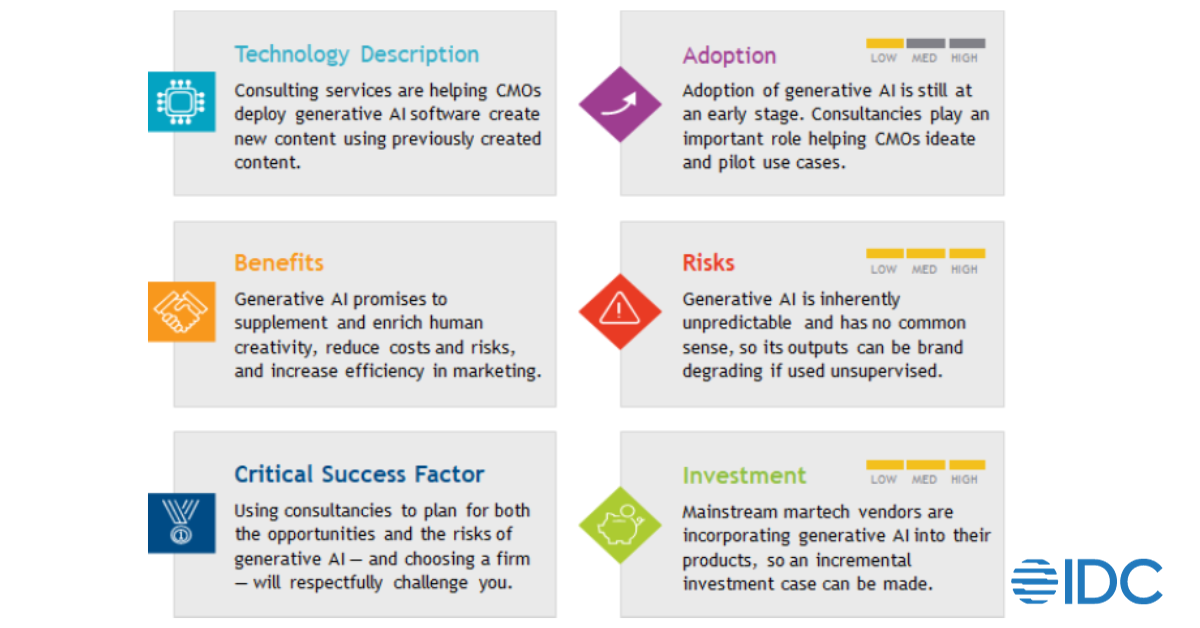
In the ever-evolving landscape of sales, technology has become an indispensable ally. Artificial Intelligence (AI), in particular, has emerged as a powerful tool that can revolutionize the way sales teams operate. For Sales Enablement Leaders, harnessing the potential of AI is no longer an option but a necessity. In this blog post, we will delve into the major themes that sales teams must comprehend before selling AI solutions to clients and prospects. We’ll also explore the criticality of having a sales enablement strategy that includes research-based tools.

Understanding the AI Landscape

Before diving into selling AI to clients and prospects, it’s imperative for Sales Enablement Leaders to have a solid grasp of the AI landscape. This involves understanding the core technologies of AI, the applications, and the capabilities brought to the table.

The Core Generative AI Technologies

The focal point of this AI innovation revolves around generative foundational models, with large language models (LLMs) being a notable component. LLMs have the capacity to be trained using exceptionally vast datasets and can generate fresh content (i.e., text, images, videos) by drawing upon previously created data, when prompted. Exploring the vital ‘sub-paths’ of integrating these models into custom applications, generic enterprise software, and other software development platforms is essential to fully grasp their potential impact.

Building Trust With Clients

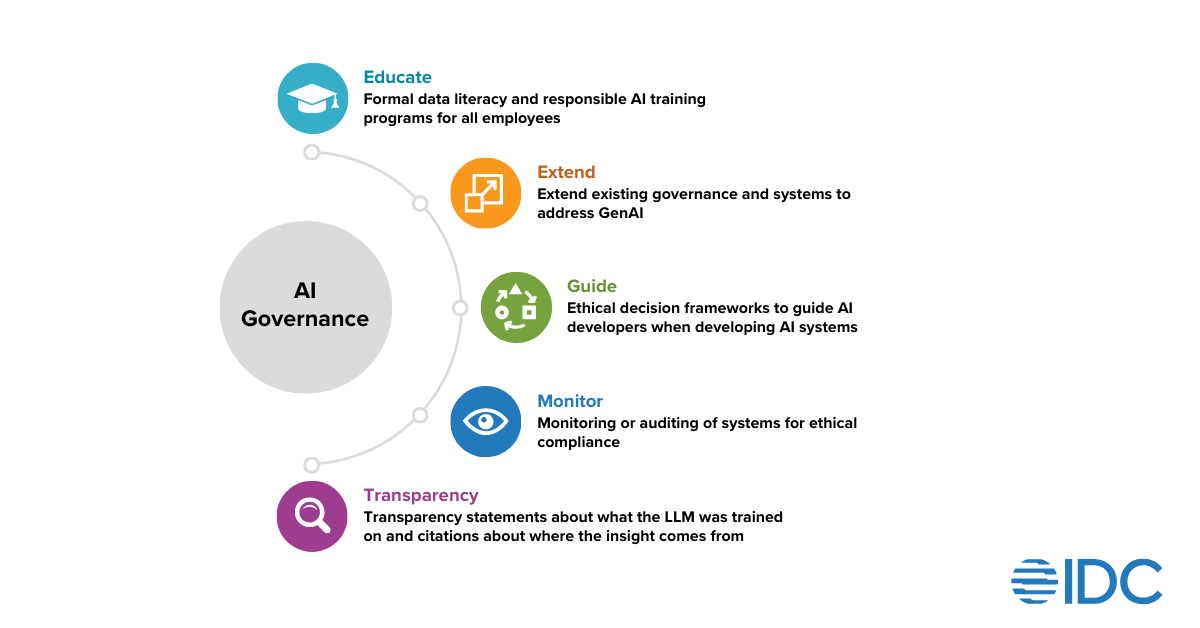
The successful adoption of AI in sales hinges on trust. Sales Enablement Leaders must address client and prospect concerns regarding AI, especially those related to data privacy, ethics, and the potential impact on their business.

…the ambiguities over the authorship and copyright of AI-generated content are creating question marks around intellectual property management and ownership. All these risks need to be incorporated into a well-orchestrated trust and oversight program to ensure that these technologies can be deployed in a sustainable manner.

Philip Carter – Group Vice President, Worldwide Thought Leadership Research

Transparency: Transparency is key in building trust. Sales teams should be able to explain how AI operates, what data is used, and how decisions are made. Clients and prospects need to know that AI isn’t a “black box.”

Data Security: Assure clients that their data will be handled with the utmost care. Explain the security measures in place to protect sensitive information and adhere to relevant regulations (e.g., CASL, GDPR).

Ethical Considerations: Discuss the ethical implications of AI in sales. Make sure your AI tools adhere to ethical guidelines and do not engage in discriminatory practices.

Benefits to the Client: Clearly communicate the value AI brings to clients, such as improved efficiency, better lead targeting, and enhanced customer experiences.

Customizing AI Solutions

One size does not fit all when it comes to AI in sales. Sales Enablement Leaders must work closely with clients and prospects to customize AI solutions to meet their specific needs and objectives.

Needs Assessment: Start by conducting a thorough needs assessment. Understand the client’s pain points, goals, and existing processes. Identify areas where AI can make the most impact.

Tailored Solutions: Craft AI solutions that are tailored to the client’s unique requirements. This may involve integrating AI into their existing tech stack or developing custom AI algorithms.

Continuous Optimization: AI is not a one-time implementation; it requires continuous optimization. Ensure that your sales team is equipped to provide ongoing support and improvements.

Proving the ROI of Your AI Solutions With Confidence

Clients and prospects are likely to be interested in the return on investment (ROI) of adopting AI in their processes. Sales Enablement Leaders should be prepared to provide tangible evidence of how AI can generate positive results.

Case Studies: Share success stories and case studies of how AI has benefited other clients in similar industries or with comparable challenges.

Data-Driven Insights: Use data to demonstrate the impact of AI. Show how AI has increased lead conversion rates, shortened sales cycles, or improved customer satisfaction.

ROI Calculations: Work with clients to calculate the potential ROI of implementing AI. Consider factors like cost savings, revenue increase, and productivity gains.

AI Training and Adoption

Selling AI to clients and prospects is only the beginning. The successful adoption of AI within their organizations is equally crucial. Sales Enablement Leaders should emphasize the importance of training and change management.

Training Programs: Develop comprehensive training programs to ensure that client teams are proficient in using AI tools. This includes both technical training and understanding how AI fits into their processes.

Change Management: Understand that introducing AI can be disruptive. Provide guidance on managing the transition, addressing resistance, and fostering a culture of innovation.

The Criticality of Research-Based Tools for Selling AI

To effectively sell AI to clients and prospects, Sales Enablement Leaders should have access to research-based tools and insights. These tools can help in market analysis, competitor assessment, and staying updated on AI trends.

Market Research: Leverage market research tools to understand the demand for AI in specific industries. Identify niches where AI adoption is growing rapidly.

Competitor Analysis: Research what your competitors are offering in terms of AI solutions. Identify gaps in the market that your offerings can fill.

Trend Tracking: Stay informed about the latest trends and developments in AI. This knowledge can be used to position your AI solutions as cutting-edge and up to date.

Client-specific Insights: Utilize research tools to gather insights about specific clients and prospects. Understand their pain points, industry challenges, and preferences.

In the age of AI, Sales Enablement Leaders play a pivotal role in driving the successful adoption of AI solutions within their organizations and among clients and prospects. To excel in this role, it’s crucial to understand the AI landscape, build trust with clients, customize solutions, demonstrate ROI, and emphasize the importance of training and change management. Having access to research-based tools is instrumental in making informed decisions and staying ahead in the competitive AI market. As AI continues to reshape the sales landscape, Sales Enablement Leaders who master these themes will be well-positioned for success.

Request more information about IDC’s solutions for Sales Enablement leaders, new training solutions, market insights, interactive selling tools and business value calculators.

Manufacturers worldwide are embracing sustainability as the new imperative and becoming a force for good. Recent regulatory developments in Europe including proposed regulation to curb greenwashing and incorporate eco-design for sustainable products, as well as a recently enacted law for sustainable battery production and recycling are just examples highlighting the need for manufacturers to step up their game in sustainability.

Moving beyond compliance and reporting requirements, manufacturers are embedding sustainability into their operations to increase efficiency, reduce their environmental footprint and create long-term value for their partners and customers. According to IDC Global Sustainability Readiness Survey (August 2023), 45% of EMEA manufacturers state that the sustainability related requirements from their business partners are the top driver for operationalizing sustainability, followed by mitigating risks associated with non-sustainable operations, and improving brand reputation.

By producing eco-friendly products and sustainable business models that appeal to their consumers, manufacturers can drive their bottom line and gain competitive advantage.

Based on IDC’s 2023 Global Manufacturing Survey (January 2023) which surveyed 430 EMEA manufacturers, incorporating circular economy principles (i.e. using fewer and renewable materials and designing products that can be easily recycled, repaired, or remanufactured) is the top initiative for 57% of EMEA manufacturers to promote sustainability.

Tracking emissions across the value chain is another key initiative which includes analyzing the carbon footprint from production and exchanging data with suppliers, customers, and other stakeholders. Manufacturers are also investing to reduce waste and drive efficiencies in production including optimizing energy usage.

Manufacturers Priorities in EMEA

Design for Circularity

Designing for circularity focuses on creating products that can be easily disassembled, recycled, and remanufactured at the end of their life cycle. To achieve this, manufacturers rely on resource tracking, materials innovation, reverse supply chain management and advanced recycling methods.

Generative design also enables manufacturers to iteratively create efficient and sustainable product designs that minimize waste and maximize products’ lifespan. Additionally, advanced simulation software can allow virtual product testing, allowing manufacturers to test products with fewer resources while generating less emissions.

Real-time Energy Monitoring and Optimization

Continuous monitoring of energy consumption levels allows manufacturers to have visibility into their energy usage patterns, identify areas of improvement, and optimize their energy consumption. This process leverages sensors, IoT and data analytics platforms to collect and analyze energy data in real-time.

IDC’s Global Sustainability Readiness Survey shows that 52% of EMEA manufacturers are using sensors and smart meters to gain real time visibility into carbon footprint.

Tracking and Tracing Emissions in the Product Lifecycle

Monitoring and identifying emissions sources and quantities throughout a product’s life cycle can significantly reduce its carbon footprint, as Scope 3 emissions can constitute a significant portion of total life cycle emissions. This can be achieved through advanced data analytics, sensors, and internet of things (IoT) devices that collect and analyze emissions data in real-time.

Additionally, blockchain technology can be utilized to create a transparent record of emissions data, ensuring accuracy and accountability throughout the value chain.

The Road Ahead

Going forward, digital technologies will continue to be instrumental in driving sustainability. Crucially, manufacturers will need to focus on new ways of capturing and analyzing data from multiple sources to gain actionable insights on their sustainability performance.

Generative AI holds promise in synthesizing and analyzing highly fragmented sources for ESG data as well as complex regulations to ensure compliance while making informed decisions.

Despite the promise of sustainable manufacturing, there are several challenges to address. Driving sustainability will require a company-wide agreement and a cultural shift among the C-suite and stakeholders.

Outside the company boundaries, this also requires concerted effort with partners and suppliers and entails encouraging them to be more sustainable by making sustainability credentials an important criteria in the supplier selection process. Furthermore, best in class manufacturers have a clear strategy in place and acknowledge that sustainability is not a one-off stunt but rather a continuous and transformational process to improve their operations and business models.

The true challenge is how to move beyond pilots and truly operationalize sustainability at scale and make a real impact in driving a sustainable future.


To find out more about sustainability in manufacturing, please visit our website.

IDC recently published an assessment of vendors competing in the SD-WAN Infrastructure market and analysis of key trends driving this dynamic market. The 2023 IDC MarketScape on Worldwide SD-WAN Infrastructure evaluated 12 vendors in the SD-WAN market and recognized five leaders. 

“SD-WAN remains one of the most important markets in enterprise networking, driven by a variety of factors.”

Brandon Butler, Research Manager, Enterprise Networks, IDC

As organizations across the globe continue to embark on digital and network transformation initiatives, software-defined wide area network (SD-WAN) infrastructure remains a key technology that enterprises across the globe are investing in.

Organizations around the globe continue to invest in SD-WAN to optimize their edge network connectivity, enhance user and application experiences, enable increased operational efficiency, and save money.

Brandon Butler, Research Manager, Enterprise Networks, IDC

IDC forecast data shows that in 2022, the SD-WAN infrastructure market grew 25.0% and through 2027, the market will grow at a compound annual growth rate of 10.1% to reach $7.5 billion.

SD-WAN technology takes the principles of software-defined networking that were first deployed in datacenter networks and applies them to the wide area network. Fundamentally, SD-WAN technology abstracts the underlying WAN transports, such as broadband, MPLS, or cellular connectivity, from the software-based management of those networks.

The SD-WAN market is in a state of transition. Since the market took hold nearly five years ago, vendors have been evolving their technology in a variety of important ways. Some important trends that are driving the SD-WAN market include:

  1. SD-WAN + Security

There are multiple dimensions to the trend of more integrated management of SD-WAN and security. One aspect concerns the natively integrated security capabilities offered by SD-WAN vendors, such as intrusion detection and prevention (IDS/IPS), next-generation firewall (NGFW), and content/web/URL filtering.

A second aspect is toward secure access service edge (SASE) architectures, which combine SD-WAN with cloud-based network edge security as a service (NESaaS) tools, such as a secure web gateway (SWG), cloud access security broker (CASB), and zero trust network access (ZTNA). SD-WAN customers can work with their existing SD-WAN vendor to consume NESaaS and build a SASE architecture or use a multivendor approach.

The IDC MarketScape for Worldwide SD-WAN Infrastructure focuses on the networking strategy and capabilities of SD-WAN vendors, while also taking into account integrated and partner-led security approaches of SD-WAN vendors.

Another important trend is the software-defined branch (SD-Branch), which refers to integrated management of SD-WAN with LAN/WLAN networks. SD-Branch architectures create an opportunity for enterprises to have centralized visibility, analytics, and management of their network, across the LAN/WLAN and SD-WAN. Other benefits of SD-Branch include the ability for advanced ML/AI-enhanced management and leveraging a cloud-based platform. SD-Branch is ideal for customers that want to consolidate management across their campus and branch for ease of management.

2. SD-Branch: SD-WAN + LAN/WLAN

The visibility and automation platforms included in SD-WAN infrastructure products are maturing rapidly. Having insights into network performance and end user experience, and linking that data to advanced AI-enhanced automation systems becomes a powerful tool for enterprises that are managing globally-distributed SD-WAN deployments.

2023 IDC MarketScape for SD-WAN Infrastructure Evaluates 12 Vendors

The 2023 IDC MarketScape for Worldwide SD-WAN Infrastructure evaluates 12 vendors in the SD-WAN Infrastructure market across 20 scoring-criteria categories, including 10 each of strategy and capabilities. Vendors had to meet a minimum threshold of annual revenue and global availability of an SD-WAN Infrastructure product to be included in the research.

The research named five vendors as leaders, including Cisco, Fortinet, HPE Aruba Networking, Palo Alto Networks and VMware. Seven vendors were named Major Players or Contenders, including Aryaka, Barracuda Networks, H3C, Huawei, Juniper Networks, Nokia and Versa. Another three vendors did not meet the criteria to be included as full participants of the research but were named “Vendors to Watch” including Ericsson/Cradlepoint, Extreme Networks and NetSkope.

As organizations across the globe prioritize digital and network transformation efforts, SD-WAN infrastructure has solidified as a key strategic technology. The 2023 IDC MarketScape for Worldwide SD-WAN Infrastructure is meant to be a guide for helping enterprises evaluate vendors in this important, and fast-changing market.

Brandon Butler - Sr. Research Manager - IDC

Brandon Butler is a Senior Research Manager with IDC's Network Infrastructure group covering Enterprise Networks. His research focuses on market and technology trends, forecasts and competitive analysis in enterprise campus and branch networks. His coverage includes technologies used in local and wide area networking such as Ethernet switching, routing/SD-WAN, wireless LAN, and enterprise network management platforms. While contributing to ongoing forecast and market share updates, he also assists in end-user surveys, interviews and advisory services and contributes to custom projects for IDC's Consulting and Go-To-Market Services practices.

Fall traditionally means Predictions time for the entire IDC community. That point of the year where we gather across different research domains to reflect on those trends steering organizations’ digital agendas and predict what will characterize the digital landscape in the months and years to come.

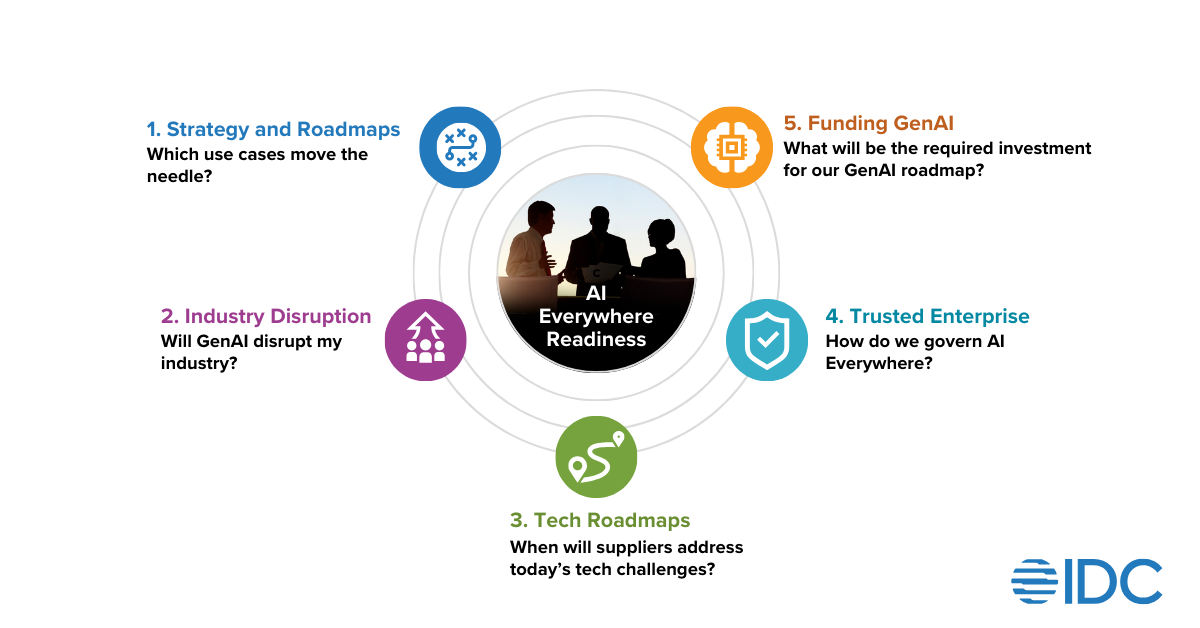
This year, this is happening at the dawn of a new chapter in the Digital Business Era: the chapter of AI Everywhere.

Generative AI triggered the opening of this chapter because it holds the potential to drastically reduce the time and long-term costs associated with developing solutions across a wide range of use cases associated with automation and intelligence. It is completely changing our relationship with data and how we extract value from both structured and unstructured data.

This era is about how we use data as input and as a business outcome:

  • 18% of EMEA organizations believe that GenAI is already disrupting their business, and 70% of all organizations believe it will do so in the next 18 months.
  • 44% of EMEA organizations are already investing in GenAI or doing initial model testing and proofs of concepts.
  • Customer-facing applications, financial and operational decision support applications, and employee experience applications are sweet spots for GenAI integration.
  • GenAI is expected to capture 15% of EMEA organizations’ new IT projects budgets in 2024, representing a must-have chevron in technology vendors capabilities and portfolios (IDC GenAI ARC Survey, August 2023 — GenAI Awareness, Readiness, and Commitment: A First Look at IT Leaders’ Expectations and Concerns for Generative AI).

For organizations to gain a competitive edge in this new era, a full reimagination is needed.

Creating an intelligent architecture that is supported by a cost-effective digital infrastructure and relevant capabilities is a priority. At the same time, this journey raises ethical and trust-related questions that purpose-driven organizations must prepare for.

AI Everywhere is certainly the key factor altering the global business and digital ecosystem for the next 12-24 months and beyond, but other critical external drivers will also shake 2024:

  1. The Drive to Automate
  2. Economic Uncertainty 
  3. Geopolitical Turbulence
  4. Global Supply Chain Resiliency
  5. Cybersecurity and Risk
  6. The Digital Business Imperative
  7. Everything as a Service Intensification
  8. Dynamic Work and Skills
  9. Shifting Tech Regulatory Landscape 
  10. Operationalization of ESG 

This year’s unveiling of IDC’s EMEA Predictions for 2024 and will take place on December 11. In the weeks leading up to the reveal, we will release a series of thought leaderships assets that will double-click on these key drivers, analyzing their digital impact and highlighting actions that organizations will have to take to be Digital Future ready (the partial list of upcoming webcasts with registration links can be found below).

In the meantime, if you want to remain updated on the upcoming releases, please visit our IDC European FutureScape page, and register to join us for the IDC EMEA Futurescape 2024 webcast.


Upcoming October and November IDC EMEA webcasts you can register for:


Andrea Siviero - Senior Research Director, MacroTech, Digital Business, and Future of Work - IDC

Andrea Siviero leads IDC's European Digital Business and Future of Work Research group. The group provides market research insights to foster a purposeful and fair adoption of technologies supporting digital societies, businesses and workforce and empower tech providers in strategic decision making, planning and go-to-market activities. Siviero also co-leads the IDC Worldwide MacroTech Research program, focused on the intertwined connection between the Economical and Digital worlds - analyzing the impact key MacroEconomic factors have on the digital landscape and viceversa, how technologies are impacting economies around the world.